A Culinary Journey Through France's 22 Regions
 This photo was taken by Aleks Marinkovic on Pexels.
Bonjour and welcome to the heart of French gastronomy! As your local guide, I invite you to embark on an unforgettable culinary odyssey across the 22 distinct regions that make up our beautiful country. France is not merely a destination; it is a living tapestry where history, culture, and passion converge on every plate. From the hearty, cheese-laden slopes of the Alps to the sun-drenched herb gardens of Provence, each region tells a unique story through its flavors. In this journey, we will explore iconic regional specialties, uncover hidden treasures in bustling local markets and cozy family-run bistros, and delve into the world of wine and terroir to understand how the very soil shapes the taste of our nation. Get ready to savor the diversity of France, one delicious bite at a time.
Regional Specialties: From Alpine Raclette to Provençal Ratatouille
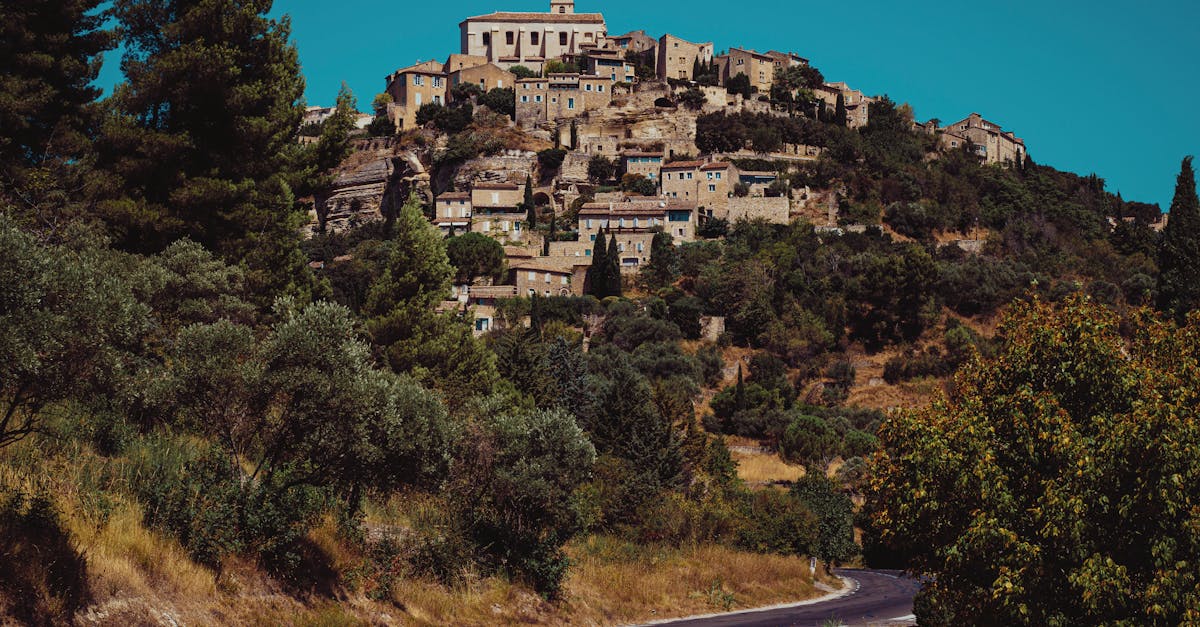
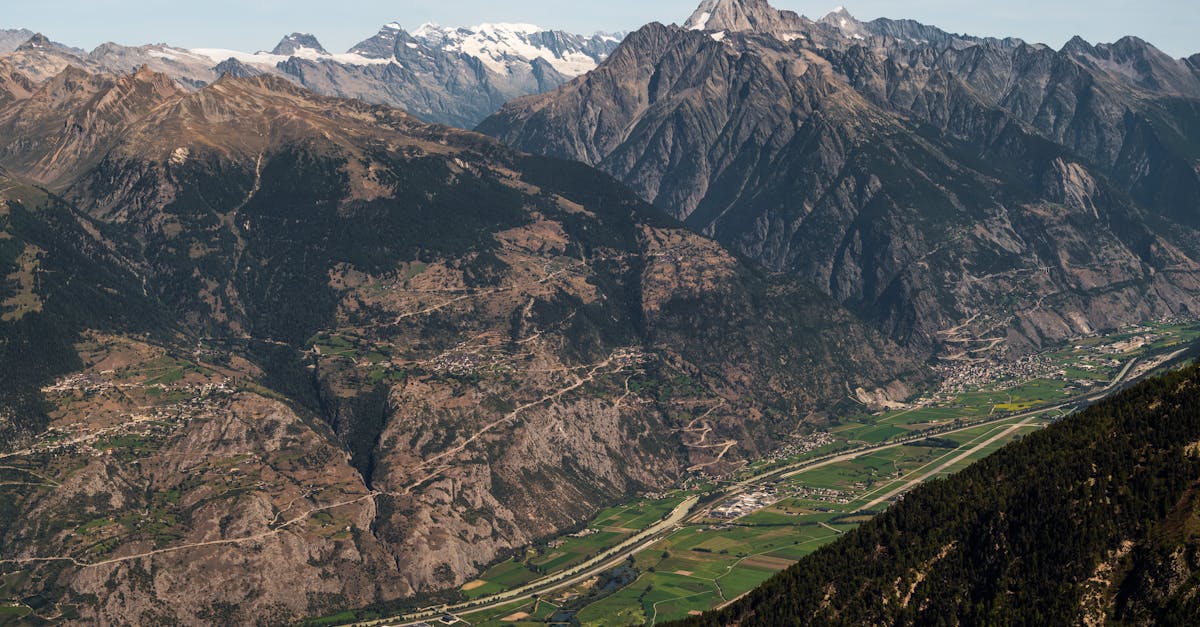
Embarking on a culinary journey through France's 22 regions reveals a tapestry of flavors as diverse as the landscapes themselves, nowhere more evident than in the stark contrast between the Alpine north and the sun-drenched south. In the high-altitude valleys of Savoy and Haute-Savoie, winter transforms into a celebration of dairy, where the ritual of raclette takes center stage; here, wheels of cheese are melted to perfection over hot stones and served alongside boiled potatoes, charcuterie, and pickled onions, creating a hearty dish born from the necessity of surviving cold mountain nights. This rustic warmth stands in vivid opposition to the aromatic gardens of Provence, where the climate fosters a bounty of tomatoes, zucchini, eggplants, and bell peppers that define the iconic ratatouille. Far from being merely a stew, this Provençal masterpiece is a slow-cooked symphony of summer vegetables seasoned with thyme, rosemary, and garlic, often accompanied by fresh baguette to soak up the rich, olive oil-infused juices.
While these two dishes represent extreme ends of the French gastronomic spectrum, they both underscore a fundamental truth: regional specialties are deeply rooted in local terroir and centuries-old traditions that have evolved into national treasures. Moving beyond these specific icons, travelers will find that every region offers its own unique signature, from the buttery croissants of Brittany to the delicate escargots of Burgundy, each telling a story of the land and its people. Whether you are savoring the smoky richness of an alpine fondue or the bright, herbaceous notes of a southern vegetable medley, your palate becomes the primary guide through the country's cultural geography, inviting you to explore how history, agriculture, and climate converge on a single plate to create an unforgettable dining experience across all twenty-two regions.
 This photo was taken by Christopher Politano on Pexels.
Hidden Gems: Local Markets and Family-Run bistros in Every Corner
While the grand boulevards of Paris often steal the spotlight, the true soul of French gastronomy beats strongest in the vibrant, sun-drenched local markets that dot every corner of the country's 22 regions. From the aromatic stalls selling fresh truffles in Périgord to the colorful displays of lavender honey in Provence, these bustling hubs offer an intimate glimpse into daily life where vendors proudly share stories behind their artisanal cheeses, cured meats, and seasonal produce. Stepping into a market is like opening a time capsule; it is a sensory explosion of sights, sounds, and smells that invites travelers to interact directly with the people who have cultivated these flavors for generations, transforming a simple grocery run into an unforgettable cultural immersion.
Just steps away from these lively squares lie the unassuming family-run bistros that serve as the culinary heartbeats of their communities, far removed from the tourist traps. These cozy establishments, often passed down through three or four generations, feature menus that change daily based on what was harvested that morning, offering dishes like rustic cassoulet in Toulouse or delicate seafood galettes in Brittany with a warmth that no chain restaurant can replicate. Dining here is not merely about sustenance but about connection; you are likely to find yourself sharing a table with locals, listening to tales of the region's history over a glass of crisp Loire Valley wine, and savoring meals that taste exactly as they should: authentic, heartfelt, and deeply rooted in the soil of France.
 This photo was taken by masudar rahman on Pexels.
Wine & Terroir: Tasting the Unique Flavors of France's 22 Regions
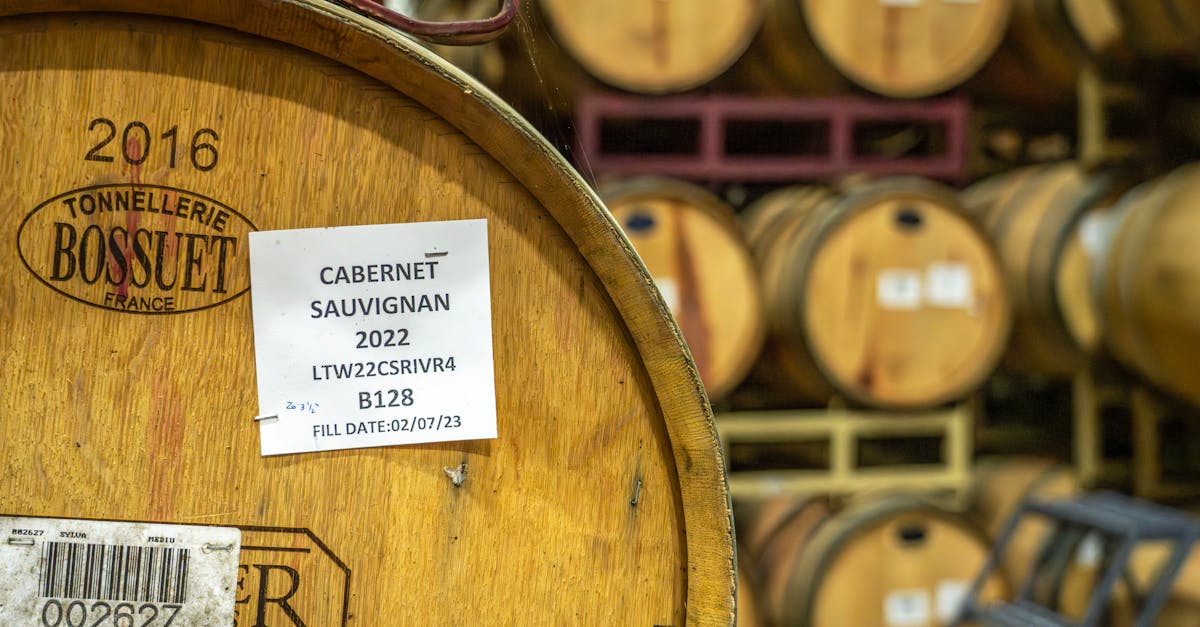
Embarking on a wine tour across France is akin to traversing a living mosaic of history, geology, and climate, where each of the 22 distinct regions offers a unique chapter in the nation's oenological story. From the crisp, mineral-driven whites of the Loire Valley to the bold, structured reds of Bordeaux, every glass tells a tale of its specific terroir—the soil composition, slope, and microclimate that define the character of the grapes. As you sip through Burgundy's legendary Pinot Noirs or explore the sun-drenched, aromatic rosés of Provence, you are not merely tasting fruit; you are experiencing the soul of the land itself, a sensory connection between the vine grower's tradition and the earth beneath their feet.
What truly sets this culinary journey apart is the profound diversity found within such a compact geography, allowing travelers to witness how subtle shifts in latitude and altitude transform the very essence of a vintage. Whether you are navigating the misty slopes of Champagne, savoring the spicy Syrahs of the Northern Rhône, or discovering the emerging wines of Corsica and Alsace, each region invites a deeper appreciation for the artistry of winemaking. This exploration goes beyond simple consumption; it is an immersive education in patience and passion, encouraging visitors to slow down, engage with local vignerons, and understand why France remains the global benchmark for quality and authenticity in viticulture.
 This photo was taken by Mark Stebnicki on Pexels.