Beyond Paris: Discovering the Charm of Lyon
 This photo was taken by Erik Mclean on Pexels.
While the Eiffel Tower often steals the spotlight, France holds a secret treasure just a short train ride away: Lyon. As one of the world's first UNESCO World Heritage cities, this vibrant metropolis offers an enchanting blend of Renaissance architecture, bustling artisan markets, and a culinary scene that has earned it the title of the gastronomic capital of France. In this post, we invite you to step beyond the capital and immerse yourself in the timeless allure of La Ville Lumière du Rhône et de la Saône. From wandering through the narrow, cobblestone streets of Vieux Lyon where history comes alive, to savoring authentic flavors in traditional bouchons, and finally witnessing the city transform under the magical lights of the Fourvière Basilica, get ready to discover why Lyon is an unforgettable destination for every traveler.
Tracing the Footsteps of History in Vieux Lyon
Nestled beneath the towering silhouette of Fourvière Hill, Vieux Lyon invites you to step back into the Renaissance era, where narrow cobblestone streets wind through a labyrinth of preserved history. As you wander through the traboules—secret passageways that connect courtyards and allow pedestrians to bypass the streets—you are essentially walking through the veins of an ancient city, feeling the pulse of 16th-century silk merchants who once made this district the economic heart of France. The architecture here is nothing short of breathtaking, with its distinctive yellow-gold stone facades and intricate wooden beams that have withstood centuries of change, offering a tangible connection to the past that feels both intimate and grand.
Beyond the visual splendor, tracing your footsteps in Vieux Lyon is an immersive journey into the lives of those who shaped European culture, from the poets who gathered in its historic cafes to the artisans who perfected the art of silk weaving. Every corner reveals a new story, whether it's the hidden statue of Saint Jean-Baptiste or the atmospheric silence of a medieval chapel tucked away behind a heavy oak door. By exploring this UNESCO World Heritage site, you escape the modern rush and discover a timeless charm that captures the very soul of French heritage, proving that while Paris may be the capital of lights, Lyon holds the secrets of its most enduring history. This photo was taken by ROMAN ODINTSOV on Pexels.
A Culinary Journey Through the Bouchons and Markets
Stepping into the heart of Lyon, you are immediately enveloped by the warm, rustic atmosphere of its famous bouchons, traditional Lyonnais eateries that serve as the guardians of authentic regional gastronomy. Unlike the sleek bistros found elsewhere, these intimate taverns feature checkered tablecloths, wooden beams, and a convivial buzz where locals gather to share hearty dishes like saucisson brioché, quenelles de brochet, and the legendary tête de veau. It is here, amidst the clinking of wine glasses and the aroma of slow-cooked stews, that you truly understand why Lyon was designated a UNESCO City of Gastronomy; every meal tells a story of local history and the simple, profound pleasure of good food shared among friends.
To fully appreciate this culinary landscape, one must also wander through the city's vibrant markets, particularly the bustling Les Halles de Lyon Paul Bocuse or the historic streets of Vieux-Lyon. Here, the air is filled with the scent of fresh baguettes, ripe cheeses from the Auvergne region, and artisanal charcuterie displayed in glass cases that seem to sparkle under the morning light. Whether you are sampling a piece of creamy Saint-Marcellin cheese at a stall in Place des Terreaux or selecting the finest truffles for your evening meal, these markets offer an immersive sensory experience that connects visitors directly to the farmers and producers who sustain Lyon's world-renowned reputation for excellence.
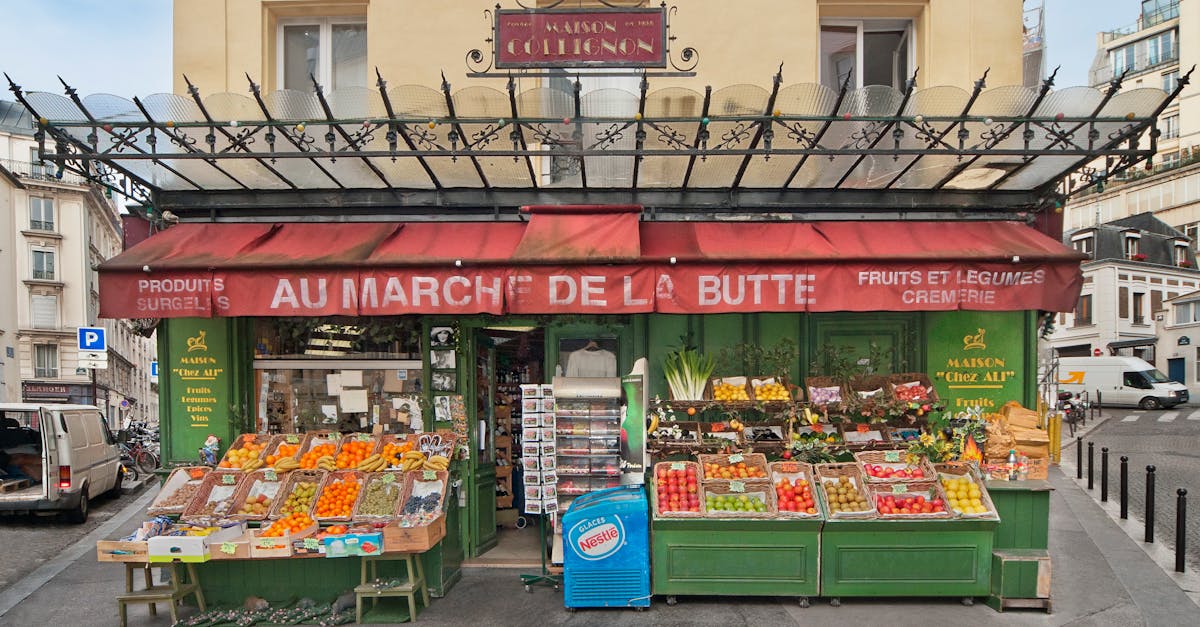 This photo was taken by David Henry on Pexels.
The Magical Glow of the Fourvière Basilica at Night
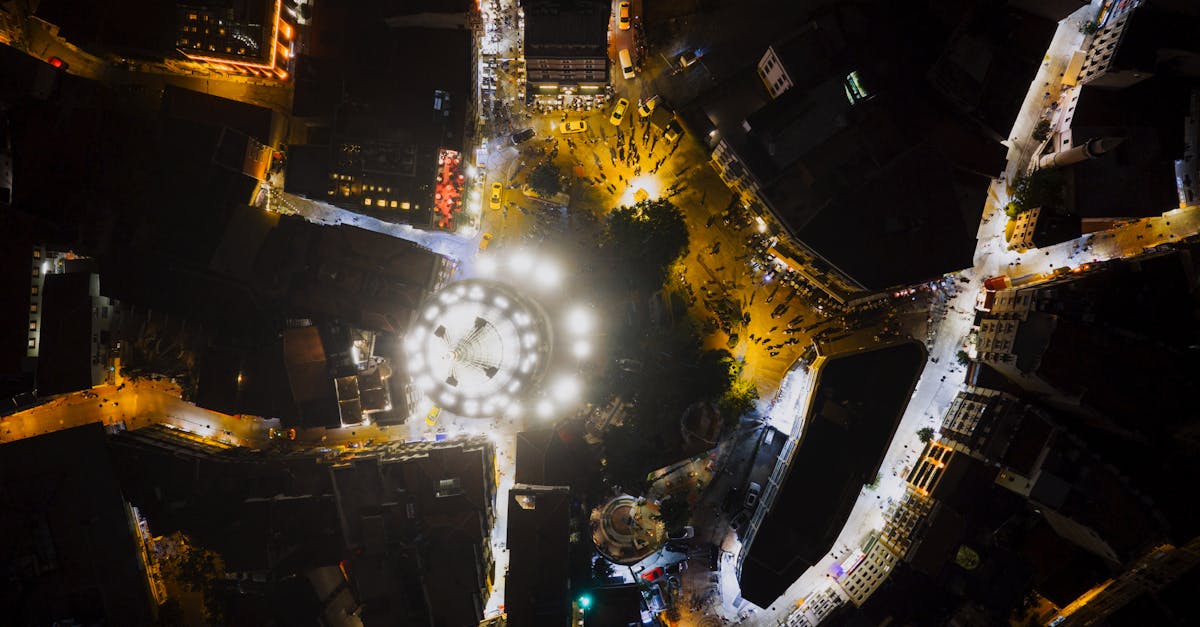 This photo was taken by K on Pexels.