Cultural Etiquette: Essential Tips for Tourists in France
 This photo was taken by Nomad Photographer on Pexels.
Welcome to the land of art, gastronomy, and timeless charm! As you embark on your journey through France, understanding the subtle nuances of local culture can transform a good trip into an unforgettable experience. This guide is designed to help you navigate social interactions with confidence and respect, ensuring that your visit is as smooth as it is delightful. From the essential "bonjour" that opens every door to the intricate rules of the dining table and the quiet etiquette expected in public spaces, we will explore the key cultural pillars that define French life. Let's dive in and discover how to embrace the French way of living with grace.
Mastering the Art of Greeting
Welcome to France, where the first interaction you have often sets the tone for your entire visit: the greeting. Unlike in many English-speaking countries where a casual "Hi" or a quick nod might suffice, French culture places a high value on formality and politeness when meeting someone for the first time. It is essential to always start with a polite "Bonjour" (good day) or "Bonsoir" (good evening) before asking any questions or making requests; skipping this initial salutation can be perceived as rude or dismissive. In formal settings or when addressing elders, using "Monsieur," "Madame," or "Mademoiselle" alongside your greeting shows respect and helps bridge the cultural gap immediately.
Physical contact during greetings varies by region and relationship but generally involves a firm handshake between men and women or among colleagues in professional environments. However, among friends and acquaintances, it is customary to exchange "la bise," which consists of light cheek kisses that can range from one to four depending on the specific region of France you are visiting. As a tourist, if you are unsure whether to offer a handshake or wait for the local to initiate "la bise," simply follow their lead; observing how they greet others in the room is the safest way to navigate these social nuances without causing awkwardness.
 This photo was taken by Monstera Production on Pexels.
Dining with Grace: Table Manners and Timing
In France, dining is considered a sacred ritual rather than a mere refueling stop, and adhering to local etiquette will significantly enhance your experience. Upon being seated, wait for the host or server to indicate where you should sit, and never begin eating until everyone at your table has been served; it is customary to place your hands on the table, resting your wrists gently on the edge with palms down, rather than keeping them in your lap. When enjoying your meal, keep your bread directly on the tablecloth beside your plate instead of on your dinner plate, and always cut your food into bite-sized pieces before chewing. Remember that the French take their time, so do not rush your course or finish your drink quickly if others are still savoring theirs.
Timing is equally crucial when navigating French social dining, as meals are designed to be leisurely affairs that foster conversation. Lunches often stretch from 12:30 PM to 2:00 PM, while dinners typically start no earlier than 7:30 PM and can easily extend past 9:00 PM, especially on weekends. If you find yourself in a bustling bistro, be patient if the service seems slow; rushing the staff by snapping your fingers or calling out "addition!" aggressively is considered rude. Instead, catch the server's eye politely and ask for the bill ("l'addition, s'il vous plaît") only after you have finished your meal and are ready to depart, allowing the natural rhythm of the evening to unfold without pressure.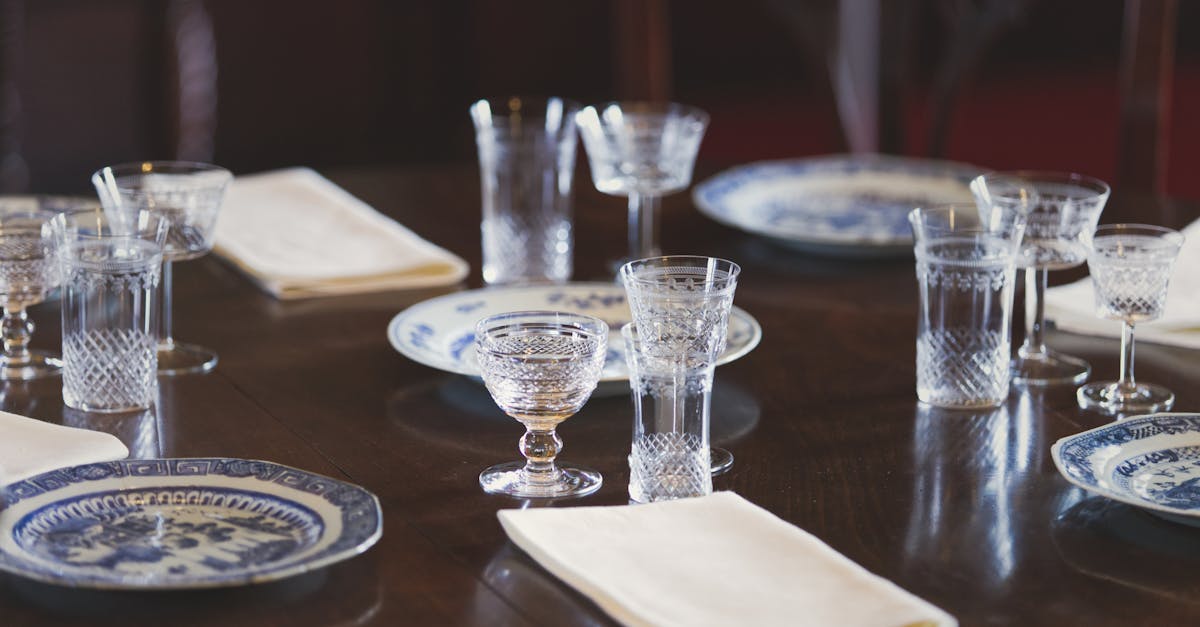 This photo was taken by Thiago Oliveira on Pexels.
Respecting Local Customs in Public Spaces
In France, public spaces are governed by a subtle yet profound code of etiquette that prioritizes civility and respect for the shared environment. A fundamental rule is to always greet shopkeepers, restaurant staff, or anyone you encounter with a polite "Bonjour" or "Bonsoir" before initiating any conversation or making a request; failing to do so can be perceived as rude and may result in less helpful service. Furthermore, maintaining a moderate volume in your voice is essential, whether you are strolling through the narrow streets of Montmartre, waiting in line at a bakery, or riding the Paris Metro. Loud conversations, especially those conducted on mobile phones, are generally frowned upon, as the French value quiet contemplation and social harmony in communal areas.
Dining customs also extend beyond the table into the very act of dining in public, where patience and appreciation for the process are highly valued. Unlike some cultures where rushing a meal is common, taking time to savor each course is seen as a sign of respect for the cuisine and the establishment. When visiting churches or historic monuments, it is crucial to dress modestly and speak softly, acknowledging these sites as places of worship and heritage rather than mere photo opportunities. Additionally, always remember to dispose of trash properly in designated bins, as littering not only mars the beauty of France's picturesque towns but is also considered a breach of civic duty that locals take seriously.
 This photo was taken by HONG SON on Pexels.