Discovering the Art and History of Lyon
 This photo was taken by Riccardo on Pexels.
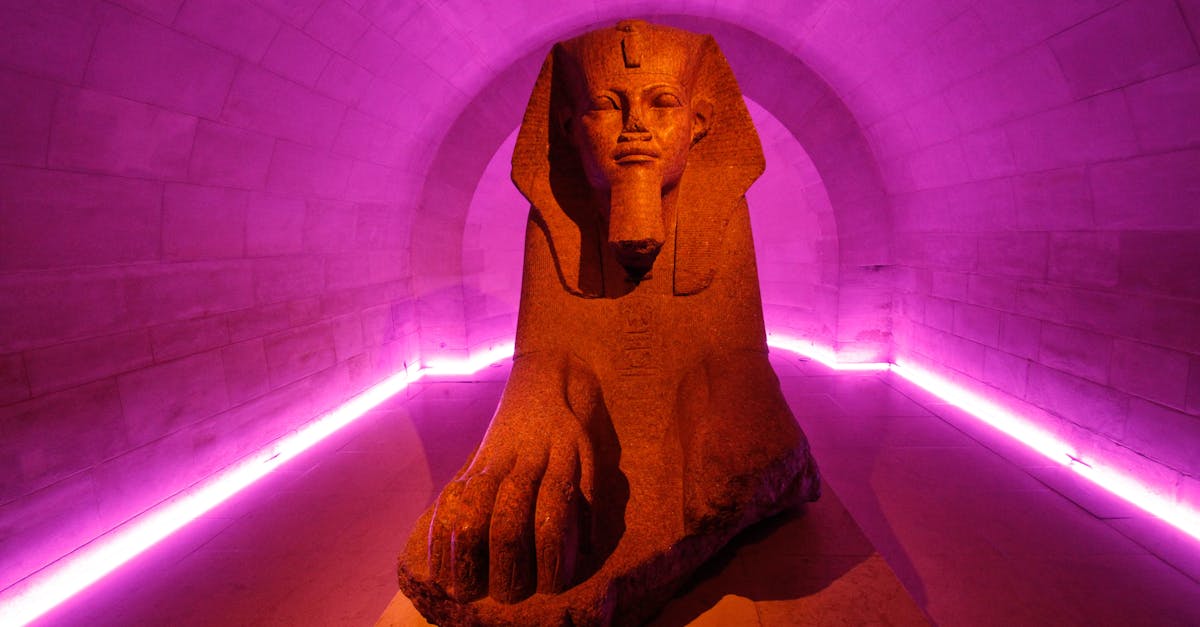
Welcome to the heart of French culture, where the convergence of the Rhône and Saône rivers has nurtured a city of timeless elegance and profound historical depth. Lyon is not merely a destination; it is an open-air museum that breathes life through its winding traboules, grand boulevards, and vibrant artistic heritage. From the sun-drenched stone facades of the Renaissance quarter to the hidden courtyards where silk weavers once crafted the fabrics of emperors, every corner tells a story waiting to be uncovered. In this journey, we invite you to explore the enduring legacy of Vieux Lyon, trace the intricate history of La Croix-Rousse's silk industry, and marvel at the artistic treasures that have earned our beloved city its prestigious UNESCO World Heritage status. Get ready to immerse yourself in the soul of Lyon, where art and history dance together in perfect harmony.
The Renaissance Legacy of Vieux Lyon
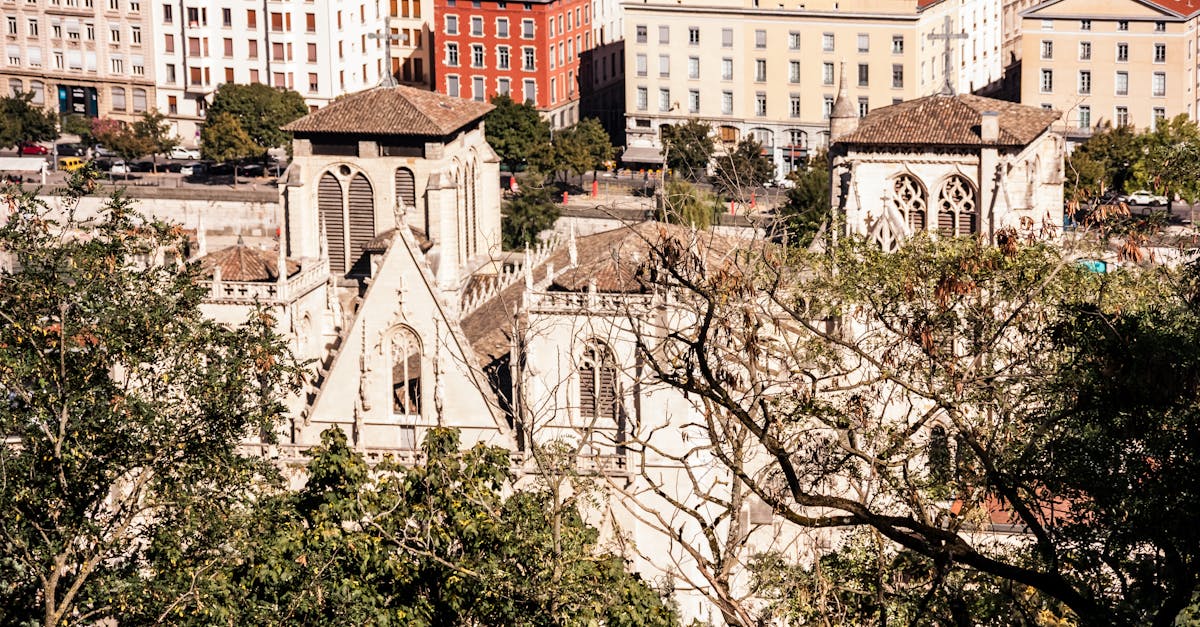
Wandering through the narrow, winding streets of Vieux Lyon feels like stepping back into a vibrant Renaissance tableau, where history is preserved in every stone and timber-framed facade. As the first district to be classified as a historic monument in France, this area boasts an unparalleled concentration of traboules—secret passageways that once allowed silk merchants to transport their goods quickly from one end of the city to the other without exposure to the rain or prying eyes. The architecture here is a stunning testament to the era's prosperity, with buildings adorned with intricate frescoes and ornate balconies that tell stories of a time when Lyon was the beating heart of European textile trade.
Beyond its architectural splendor, the legacy of the Renaissance in Vieux Lyon is deeply woven into the cultural fabric of the city, particularly through the famous silk industry that once defined its economy. Visitors can still feel the echo of the canuts (silk workers) who lived and worked in these very quarters, their influence visible in the grand halls of the Hôtel de ville and the atmospheric courtyards filled with local artisans selling traditional crafts. Whether you are exploring the magnificent Saint-Jean Cathedral or simply getting lost in the labyrinthine alleys, the spirit of the 16th century remains palpable, offering a unique journey through a living museum that continues to inspire artists and historians alike.
 This photo was taken by Titouan Henry on Pexels.
Tracing the Silk Weavers' History in La Croix-Rousse
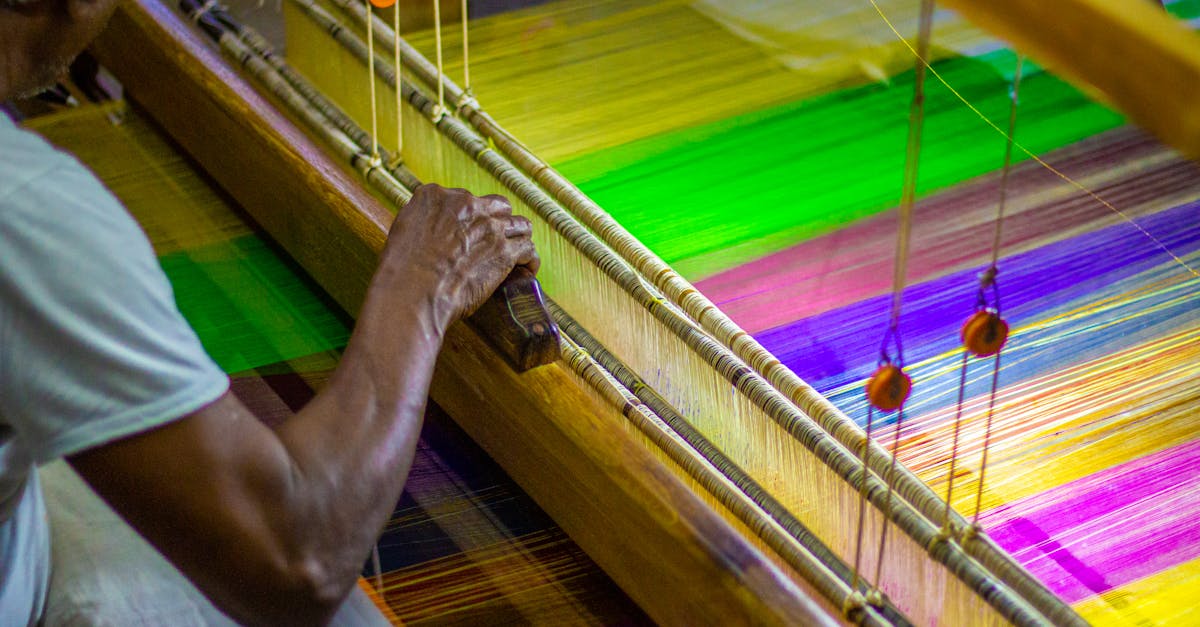
Nestled on the northern slopes of Lyon, La Croix-Rousse stands as a living testament to the city's golden age of silk production, once known as the "workshop of the world." As you wander through its steep, narrow streets and climb the iconic "traboules"—hidden passageways that allowed weavers to move between buildings without descending into the humid valleys below—you are walking in the footsteps of thousands of silk workers who powered France's most prestigious textile industry. The area is famous for its high-ceilinged "canuts" apartments, where massive looms were installed directly in the living quarters, creating a unique architectural blend of home and factory that defined the daily rhythm of life here for centuries.
To truly understand this heritage, a visit to the Musée des Tissus et des Arts de la Soie or a guided tour of a restored workshop is essential, offering an immersive glimpse into the intricate craftsmanship that made Lyon a global fashion capital. You can still hear the rhythmic clatter of historic looms in preserved ateliers, while local guides share stories of the famous silk riots of 1831, when these skilled artisans fought for fair wages and better working conditions, shaping the very fabric of modern labor rights. Today, the spirit of the canuts lives on not only in museums but also in the vibrant street art that adorns the walls of their former homes, transforming this historic district into a dynamic fusion of industrial legacy and contemporary creativity.
 This photo was taken by Narasimhan AVPL on Pexels.
Lyon's UNESCO World Heritage Sites and Artistic Treasures
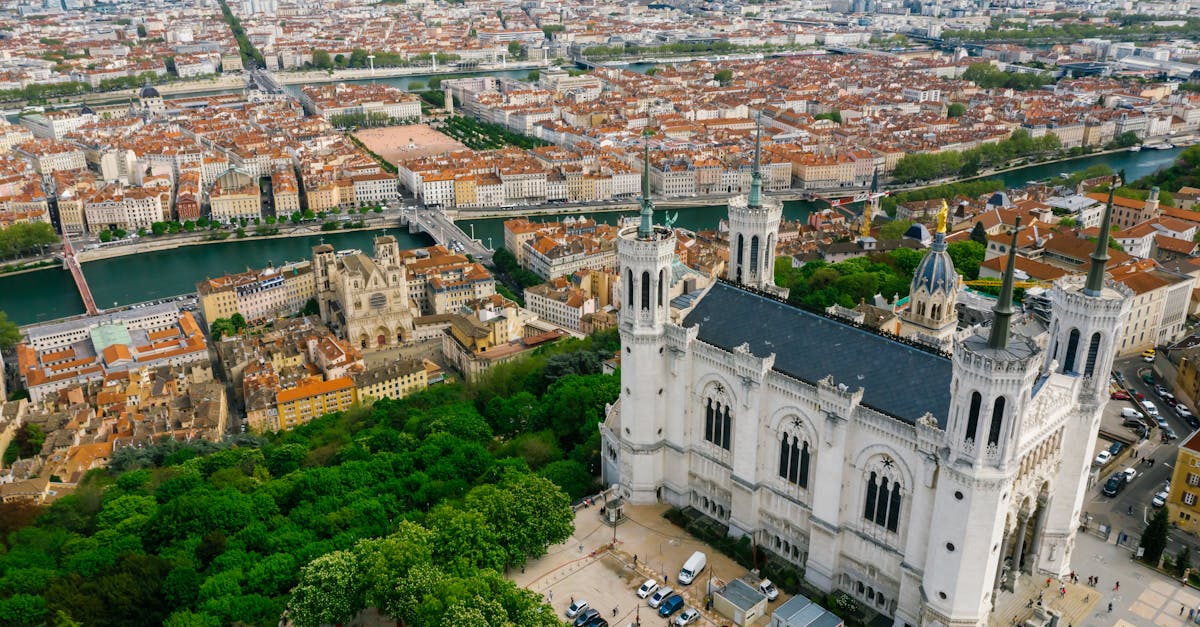
Nestled at the confluence of the Rhône and Saône rivers, Lyon's historic heart offers a breathtaking journey through time, recognized globally as a UNESCO World Heritage Site. Wander through the narrow, cobblestone streets of Vieux Lyon, where Renaissance-era buildings adorned with intricate frescoes whisper tales of the city's prosperous silk merchants. The iconic traboules, secret passageways that weave through courtyards and stairwells, provide a unique glimpse into the architectural ingenuity that once connected the city's workshops to the riverbanks, creating a labyrinthine charm that has captivated visitors for centuries.
Beyond its historic architecture, Lyon is a vibrant canvas of artistic treasures that span from antiquity to the modern era. The Fourvière Hill stands as a spiritual and cultural beacon, crowned by the magnificent Basilica of Notre-Dame de Fourvière, whose golden mosaics shimmer against the skyline while offering panoramic views of the entire metropolis. Just below, the Roman theatres of Fourvière remind us of Lyon's ancient roots as Lugdunum, serving as a testament to the city's enduring legacy as a crossroads of art, history, and culture in France.
 This photo was taken by Mikhail Nilov on Pexels.