Discovering the Celtic Roots: A Guide to Brittany
 This photo was taken by Andy Fotheringham on Pexels.
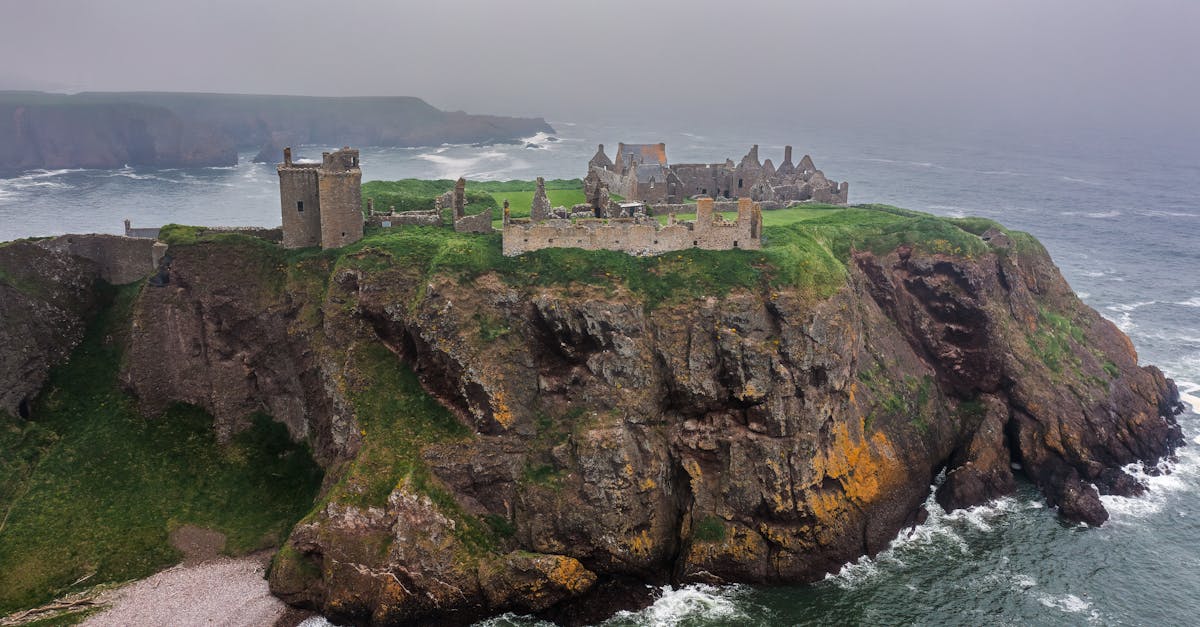
Welcome to the rugged and enchanting peninsula of Brittany, a region where the misty Atlantic winds whisper ancient secrets and the landscape feels distinctly otherworldly. Unlike the rest of France, this land retains a powerful Celtic soul, visible in its rolling green hills, distinctive stone circles, and vibrant local traditions that have survived for millennia. Whether you are tracing the footsteps of druids among the mysterious menhirs, savoring the rich flavors of buttery crêpes paired with hard cider, or wandering through the mystical forests said to be home to King Arthur's court, Brittany offers an immersive journey into history and legend. Join us as we explore the unique heritage that makes this corner of France truly unforgettable.
The Majestic Menhirs and Ancient Megaliths
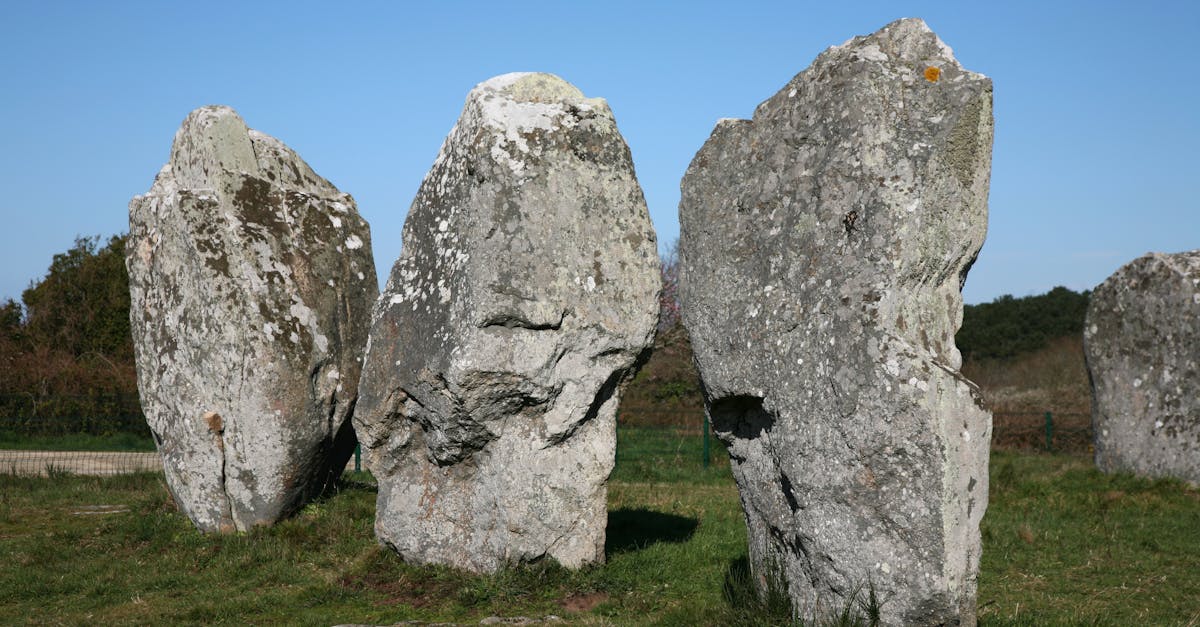
As you wander through the misty landscapes of Brittany, you will inevitably encounter the enigmatic menhirs, standing tall like silent sentinels from a time before history was written. These massive upright stones, scattered across regions like Carnac, are not merely geological curiosities but profound markers of the region's deep Celtic heritage. Walking among thousands of these monoliths arranged in precise, staggering lines, one can almost feel the spiritual energy that once animated these sacred sites, where ancient druids likely gathered to honor the cycles of nature and the cosmos. The sheer scale of these constructions, some towering over ten meters, challenges our understanding of Neolithic engineering and speaks volumes about the organized societies that thrived here millennia ago.
Beyond the famous alignments, Brittany is dotted with other awe-inspiring megalithic structures, including tumuli and dolmens that serve as the final resting places for early inhabitants. These burial chambers, often covered by earth mounds, offer a tangible link to the past, revealing how deeply connected the people of old were to their ancestors and the land itself. Whether you are exploring the sun-drenched plains or the rugged coastal cliffs, each stone tells a story of resilience and mysticism that defines the Breton soul. For the modern traveler, visiting these ancient sites provides a unique opportunity to step back in time, fostering a profound sense of wonder and a deeper appreciation for the enduring Celtic roots that still pulse beneath the vibrant culture of today's Brittany.
 This photo was taken by Jean Jacques on Pexels.
A Feast of Crêpes, Cider, and Seafood
Immerse yourself in the heart of Brittany's culinary heritage, where the air is often thick with the buttery aroma of fresh crêpes cooking on traditional cast-iron griddles. This region, deeply rooted in its Celtic history, offers a gastronomic experience that is both rustic and refined; whether you are savoring a sweet crêpe filled with Nutella and bananas or a savory galette made from buckwheat flour and topped with ham, cheese, and an egg, every bite tells a story of local tradition. To truly complete this authentic meal, pair your dish with a glass of cold, sparkling cider, a fermented apple beverage that has been produced here for centuries, cutting through the richness of the food while celebrating the region's abundant orchards.
Just steps away from these cozy taverns lies the dramatic coastline, where the bounty of the sea provides another chapter to Brittany's feast. The Atlantic waters teem with delicacies ranging from oysters farmed in the pristine bays of Cancale to succulent scallops known as coquilles Saint-Jacques, which are often simply grilled to highlight their natural sweetness. Dining by the harbor at sunset, watching the fishermen unload their catch, allows you to taste the very essence of this maritime culture. It is a perfect harmony of land and sea, where the earthy flavors of the countryside meet the briny freshness of the ocean, creating a dining atmosphere that captures the soulful spirit of the Breton people.
 This photo was taken by Caique Araujo on Pexels.
The Enduring Legend of King Arthur
As you wander through the mist-shrouded landscapes of Brittany, often called Armorica in ancient times, you step directly into the heart of the Arthurian legend. Unlike the chivalric courts of England, here the stories are rawer and more deeply rooted in Celtic mythology, where King Arthur is not merely a historical monarch but a figure bridging the mortal world with the Otherworld. The region's rugged coastlines and dense forests served as the backdrop for tales of Camelot's distant echoes, with sites like the legendary Isle of Avalon said to lie just offshore or hidden within these very woods. Walking along the path of Saint-Malo or exploring the mysterious Carnac stones, visitors can feel the enduring presence of Merlin, Guinevere, and Lancelot, whose spirits seem woven into the very fabric of this wild and enchanting corner of France.
The legacy of the Round Table finds its most authentic resonance in Breton folklore, preserved through centuries of oral tradition and local festivals that celebrate the mystical connection between the land and its mythical heroes. Many believe that the true tomb of King Arthur rests beneath the sands of Locmariaquer, while others insist he sleeps eternally on the island of Sein, waiting for his return to save his people when they need him most. This deep spiritual attachment to the legend transforms a simple tour into a pilgrimage; every stone circle and ancient chapel whispers secrets of a time when magic was real and the boundaries between worlds were thin. By immersing yourself in these stories, you do not just visit a destination, but you travel back to an era where the Celtic soul of Europe thrived under the shadow of a king who never truly died.
 This photo was taken by Mike Bird on Pexels.