Discovering the Medieval Charm of Carcassonne
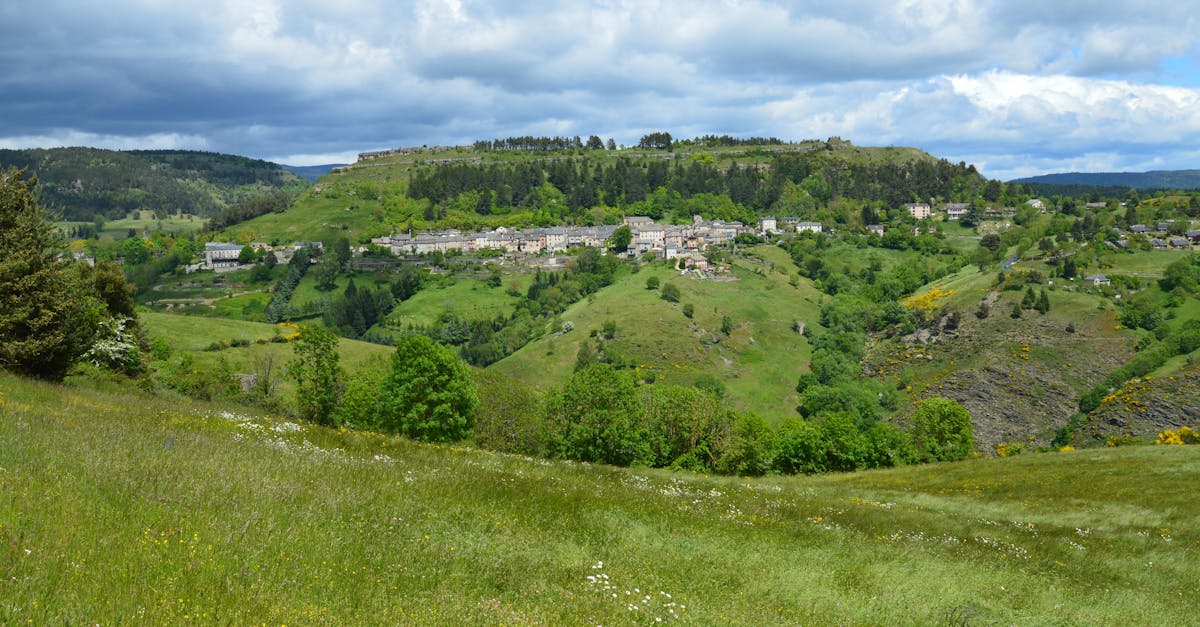 This photo was taken by SlimMars 13 on Pexels.
Welcome to the heart of Occitanie, where history breathes through ancient stone walls and whispers tales of knights and kings. Carcassonne is not merely a destination; it is a living postcard of the Middle Ages, standing proudly as one of Europe's most complete fortified cities. As you step into this UNESCO World Heritage site, prepare to leave the modern world behind and immerse yourself in an atmosphere that feels plucked straight from a fairy tale. In this journey, we will traverse the formidable ramparts offering breathtaking panoramic views, uncover the mysterious legends surrounding the mighty Castle of Counts, and savor the authentic flavors of traditional cuisine in the bustling Lower Town. Get ready to discover the medieval charm that has captivated travelers for centuries.
Walking the Ramparts: A Journey Through Time
Stepping onto the cobblestone paths of the ramparts, you immediately feel the weight of history pressing gently against your shoulders, as if the stones themselves are whispering tales of sieges and royal decrees from centuries past. As you trace the 3 kilometers of fortified walls that encircle the Cité de Carcassonne, the sheer scale of this medieval fortress becomes apparent, with its double ring of towers and turrets standing sentinel over the Aude valley. The architecture is a masterclass in defensive engineering, where every merlon and machicolation served a vital purpose in protecting the city's inhabitants during turbulent times, yet today they offer visitors an unparalleled vantage point to imagine life within these ancient boundaries.
The journey along these battlements is not merely a walk but a time travel experience, where the modern world fades away to reveal a landscape frozen in the Middle Ages. On clear days, the panoramic views stretch far beyond the city limits, showcasing the lush vineyards and rolling hills of Languedoc, while the interplay of light and shadow on the weathered limestone creates a dramatic backdrop perfect for reflection. Whether you choose to stroll here at the golden hour when the sun bathes the towers in amber light or under the soft glow of moonlight that casts long, mysterious shadows, walking the ramparts offers a profound connection to the enduring spirit of one of Europe's most iconic medieval citadels.
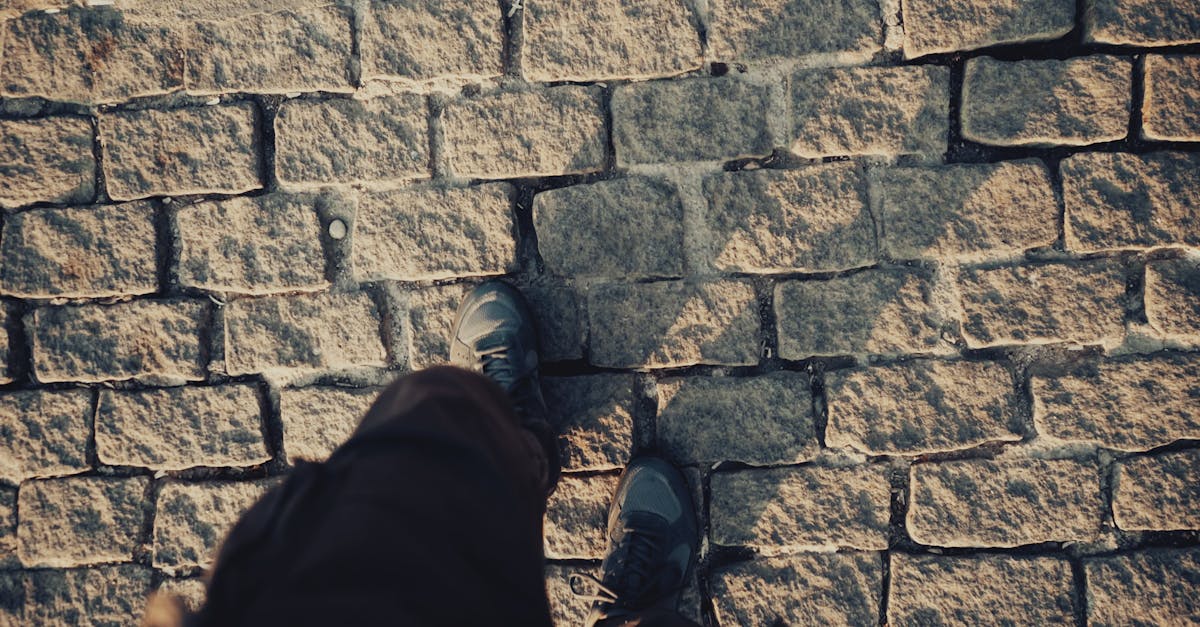 This photo was taken by Vitaly Gariev on Pexels.
The Castle of Counts: Legends and Lore
Stepping through the imposing Porte Narbonnaise, visitors are instantly transported back to an era where stone walls whispered secrets of sieges and noble bloodlines. The Castle of Counts is not merely a fortress; it is a living tapestry woven from centuries of legends, most notably the tragic tale of Lady Carcas, whose clever ruse of emptying the granaries to trick besieging armies saved her city from starvation. As you wander the ramparts, imagine the clatter of armor and the strategic whispers of Viscount Raymond Trencavel, who once ruled this stronghold before the Albigensian Crusade reshaped its destiny. Every archway and battlement seems to hold a story, inviting you to uncover the hidden lore that has kept the spirit of this medieval citadel alive for over a thousand years.
Beyond the historical facts lies a world of folklore where ghosts of past defenders are said to still patrol the towers under the moonlight, guarding the treasures of the Count's vaults. Local guides often share chilling accounts of secret passages used by spies during the Hundred Years' War and the mysterious origins of the famous "Carcassonne" name itself, which some say derives from the Occitan word for "fortress." Whether you are listening to the wind howling through the arrow slits or gazing at the panoramic views of the Aude valley, the atmosphere here feels charged with an otherworldly energy. It is a place where history and myth intertwine, offering a unique glimpse into the romanticized yet gritty reality of life in a fortified medieval town.
 This photo was taken by Jean-Paul Wettstein on Pexels.
A Feast in the Lower Town
Nestled within the shadow of the imposing Cité, the Lower Town (La Ville Basse) offers a gastronomic journey that captures the very soul of Occitan cuisine. Here, cobblestone streets lined with ivy-clad buildings lead you to bustling taverns where the air is thick with the aroma of slow-cooked cassoulet and the earthy scent of wild mushrooms foraged from nearby forests. As you settle into a terrace café, locals invite you to savor rich wines from the Minervois region, perfectly paired with artisanal cheeses and cured meats that have been crafted using methods passed down through generations.
What truly sets this culinary experience apart is the warmth of the community; dining in Carcassonne's lower district feels less like a transaction and more like an invitation to a family gathering. Whether you are enjoying a hearty bowl of onion soup on a crisp autumn evening or indulging in delicate pastries at a historic patisserie, every meal tells a story of resilience and tradition. It is here, amidst the laughter and clinking of glasses, that visitors can fully appreciate the medieval charm not just as a historical spectacle, but as a living, breathing culture that continues to thrive through its flavors.
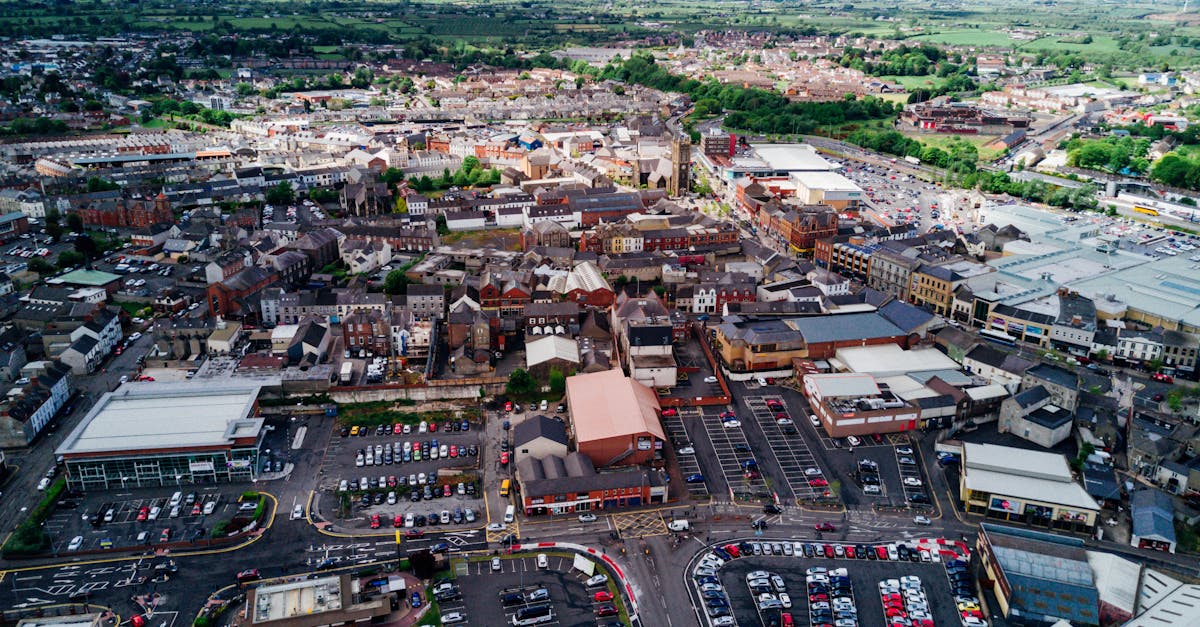 This photo was taken by K on Pexels.