Eco-Tourism in France: Sustainable Ways to Explore the Countryside
 This photo was taken by Mauro Montoya on Pexels.
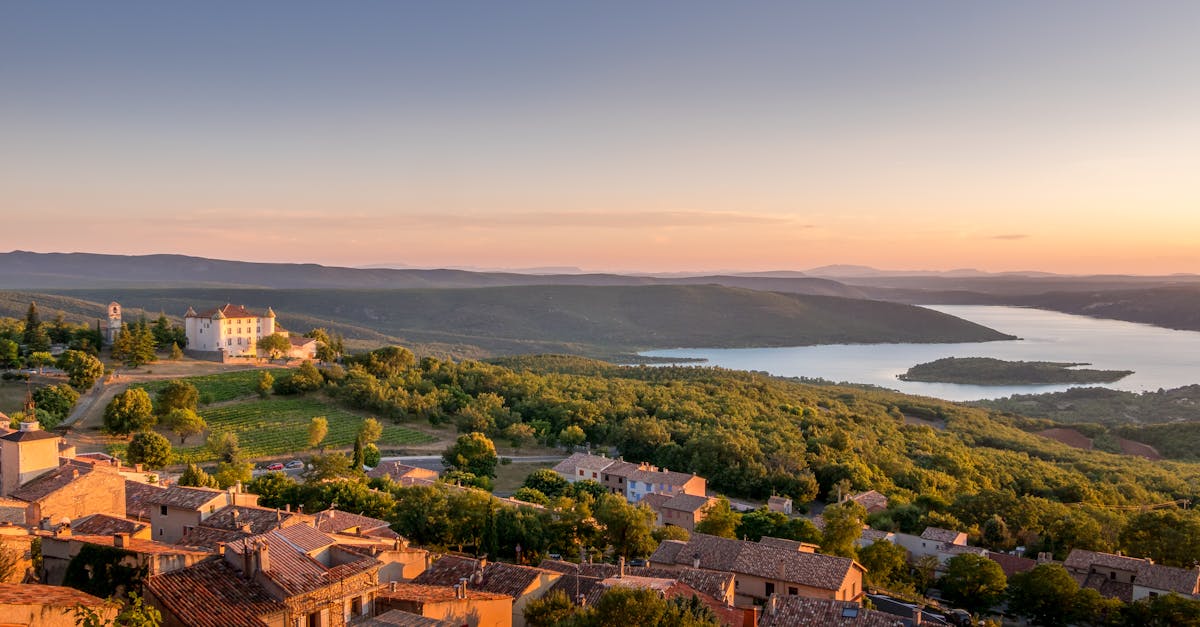
Bienvenue in the heart of France, where the rolling hills of Provence, the vineyards of Bordeaux, and the rugged coastlines of Brittany offer more than just breathtaking views—they invite you to reconnect with nature. As a local guide, I have seen firsthand how traveling mindfully can transform a simple trip into a meaningful journey that honors our beautiful landscapes. This post is dedicated to eco-tourism, exploring sustainable ways to immerse yourself in the French countryside without leaving a heavy footprint. From pedaling through lavender fields on an electric bike to savoring farm-to-table meals at certified green accommodations, we will uncover how "slow travel" allows us to discover the authentic soul of rural France while supporting the communities and ecosystems that make it so special.
Embracing Slow Travel: Discovering the Countryside by Bike and Foot
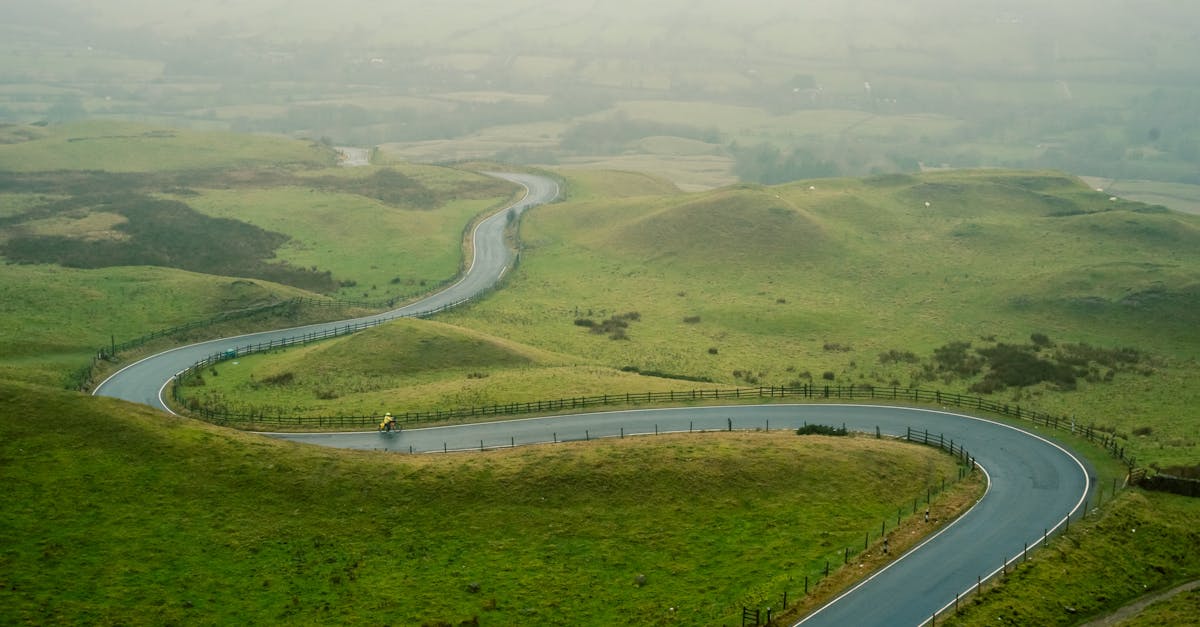
Imagine pedaling through the sun-drenched vineyards of Burgundy or wandering along the lavender-scented paths of Provence, far away from the roar of traffic and the rush of modern life. Slow travel in France is not merely a mode of transport; it is a philosophy that invites you to truly inhabit the landscape, discovering hidden hamlets, ancient stone bridges, and local bakeries that only reveal themselves when you take your time. Whether you are following the well-marked GR hiking trails in the French Alps or renting a bicycle to explore the flat, scenic routes of the Loire Valley, this approach allows for spontaneous interactions with friendly locals and a deeper appreciation of the region's rich history and terroir.
By choosing to move at the pace of nature, eco-tourists play a vital role in preserving the delicate ecosystems that define the French countryside. Cycling and walking significantly reduce carbon emissions compared to driving, ensuring that the pristine air and quiet villages remain untouched by pollution while supporting small businesses that thrive on foot traffic rather than mass tourism. As you traverse these sustainable pathways, you become part of a growing movement that values quality over quantity, fostering a respectful relationship with the land and contributing to the preservation of France's most cherished rural heritage for generations to come.
 This photo was taken by Thet Tun Aung on Pexels.
Staying Green: Eco-Friendly Accommodations from Charming Farmhouses to Certified Hotels
Immerse yourself in the heart of French rural life by choosing eco-friendly accommodations that blend seamlessly with the surrounding landscape. From restored fermes-auberges nestled in the rolling vineyards of Burgundy to solar-powered cottages in the Provence countryside, these charming farmhouses offer a genuine connection to nature while prioritizing sustainability. Many of these rustic retreats operate on a zero-waste philosophy, sourcing ingredients for their breakfasts directly from adjacent organic gardens and utilizing traditional building materials like local stone and timber, ensuring your stay leaves a minimal carbon footprint.
For travelers seeking modern comforts without compromising their environmental values, France boasts an impressive network of certified green hotels and lodges. Look for properties displaying the official Écolabel Européen or Clefs Vertes certification, which guarantee rigorous standards in energy efficiency, water conservation, and waste management. Whether you are staying in a boutique hotel in the Loire Valley or a family-run guesthouse in the Alps, these establishments often feature rainwater harvesting systems, electric vehicle charging stations, and partnerships with local artisans, allowing you to explore the breathtaking French countryside responsibly while supporting the local economy.
 This photo was taken by Quang Nguyen Vinh on Pexels.
Taste of the Land: Supporting Local Farmers through Sustainable Gastronomy
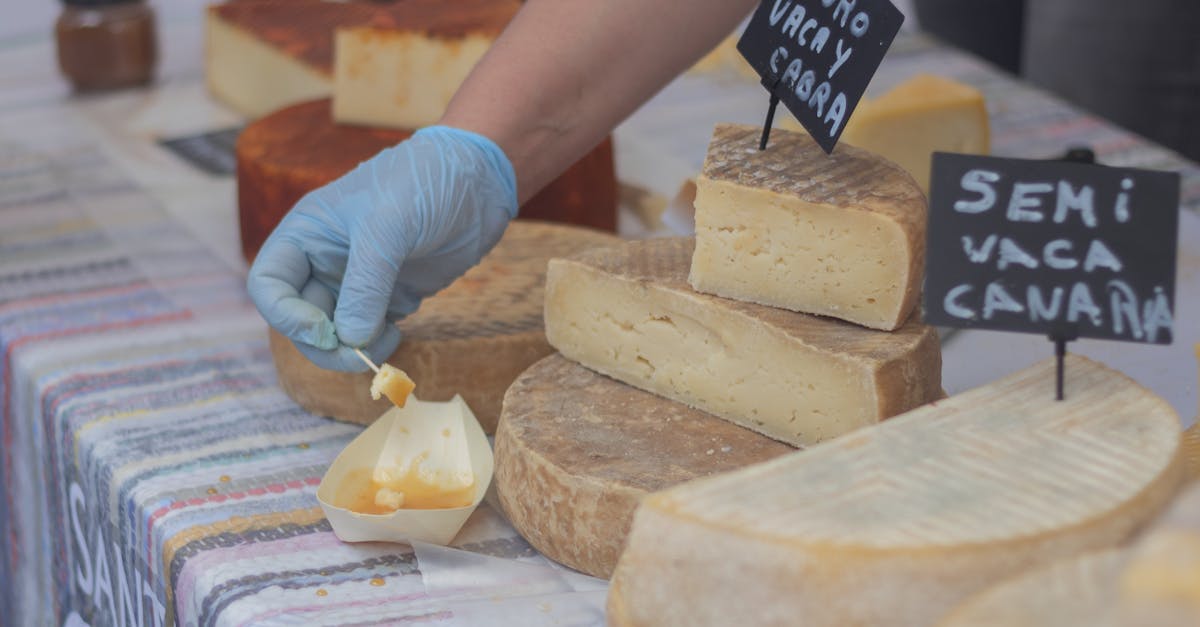
Immersing yourself in the authentic taste of the land is one of the most rewarding ways to experience France's countryside, and it begins with a conscious choice to support local farmers. By visiting weekly markets like Paris's Marché Bastille or the vibrant stalls in Lyon's Presqu'île, you directly contribute to the livelihoods of producers who practice regenerative agriculture and preserve heirloom varieties. These culinary encounters go beyond mere consumption; they are a celebration of terroir where every bite tells a story of seasonal cycles, soil health, and traditional craftsmanship that has been passed down through generations.
Sustainable gastronomy in rural France also invites travelers to participate in farm-to-table experiences that minimize environmental impact while maximizing community benefit. Many agritourism operators now offer workshops on harvesting vegetables, pressing olive oil, or making artisanal cheeses, allowing visitors to understand the labor and care behind their food. When you dine at farmhouses serving menus based entirely on what was grown within a few miles, you help sustain the delicate balance between preserving biodiversity and maintaining the economic vitality of these picturesque villages, ensuring that the French countryside remains lush and thriving for future generations.
 This photo was taken by Ana Belén González Hernández on Pexels.