Essential French Phrases Every Tourist Needs to Know
 This photo was taken by Porapak Apichodilok on Pexels.
Welcome to the heart of France, a land where culture, history, and gastronomy blend seamlessly into every corner. As your guide through this enchanting destination, I often remind visitors that while English is widely spoken in major hubs, mastering just a few key phrases can transform a simple transaction into a warm, memorable connection with locals. Whether you are sipping espresso in a Parisian café or exploring the vineyards of Bordeaux, knowing how to greet properly, order your meal with confidence, and ask for help politely will open doors and unlock the true spirit of French hospitality. Let's dive into the essential vocabulary that will make your journey smoother and more authentic.
Greeting Etiquette: The Art of Saying Bonjour
In France, the simple act of saying "Bonjour" is far more than a mere hello; it is a fundamental social contract that sets the tone for every interaction you will have. Whether you are stepping into a small boutique in Lyon, ordering coffee at a Parisian café, or asking for directions on the Champs-Élysées, initiating contact without this greeting is often perceived as rude or dismissive. It is customary to acknowledge the shopkeeper, waiter, or stranger with a clear "Bonjour" (during the day) or "Bonsoir" (in the evening), followed by "s'il vous plaît," before even stating your request. This ritual demonstrates respect for the individual and their time, instantly transforming you from an intrusive tourist into a polite guest who understands local customs.
Mastery of this etiquette can significantly enhance your travel experience, opening doors to warmer service and more genuine conversations with locals. While many French people speak English, starting a transaction in your native tongue without the obligatory greeting can create an immediate barrier, whereas leading with "Bonjour" signals your willingness to engage with French culture. Remember that this phrase should be used for everyone, regardless of age or status, and it is often repeated when leaving ("Au revoir") to close the interaction gracefully. By embracing this small but powerful gesture, you not only navigate French society with ease but also show a deep appreciation for the art of living well, which lies at the heart of French hospitality.
 This photo was taken by Vie Studio on Pexels.
Navigating the Menu: Ordering Food and Wine Like a Local
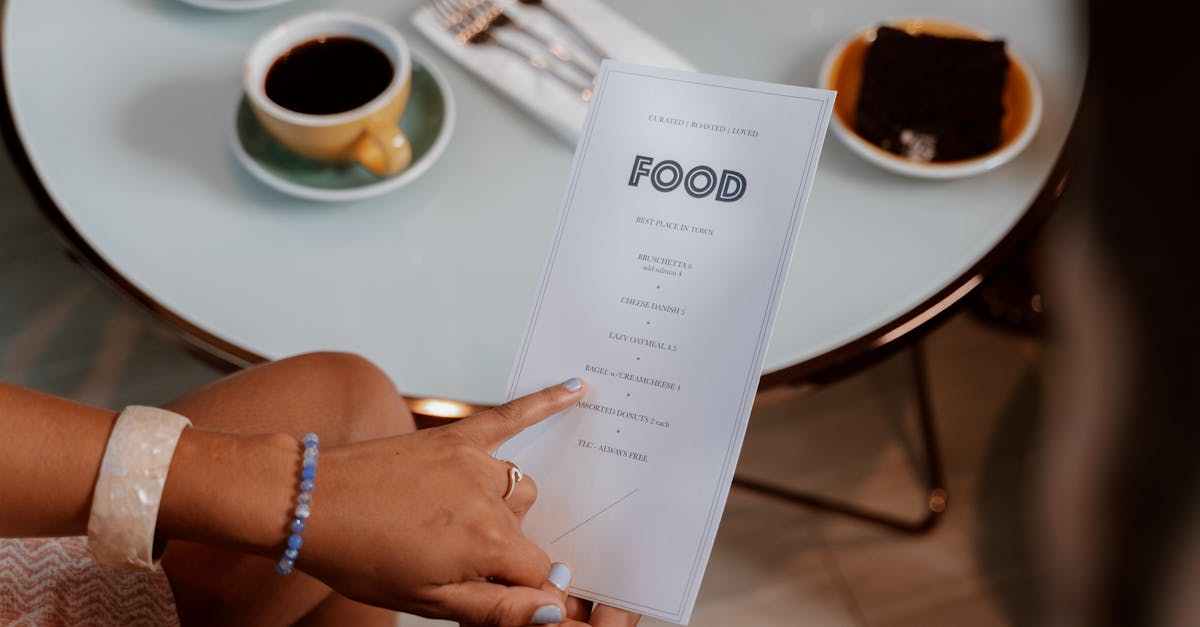
When you step into a traditional bistro, the menu can seem like a cryptic code to the uninitiated, but mastering a few key phrases transforms the experience from daunting to delightful. Start by confidently saying "Je voudrais" (I would like) followed by your dish choice, and remember that it is polite to ask for recommendations with "Qu'est-ce que vous me conseillez ?" (What do you recommend?). Don't be shy about asking for the daily specials, known as "le plat du jour," which often showcases the freshest seasonal ingredients at the best value. If you are unsure about an ingredient or preparation method, simply ask "C'est comment fait ?" (How is it made?) to ensure you know exactly what you are ordering before committing.
Navigating the wine list requires a bit more courage, yet French sommeliers are generally eager to help you find the perfect pairing without judgment. Instead of pointing blindly at a bottle, try saying "Je cherche un vin rouge léger et fruité" (I am looking for a light and fruity red wine) to give them clear direction. Once you have selected your glass or bottle, it is customary to say "S'il vous plaît, servez-moi un verre de ce vin" (Please, serve me a glass of this wine). Finally, never forget to conclude your meal with "L'addition, s'il vous plaît" (The bill, please), though note that in France, tipping is not mandatory as service is included, so leaving a small coin or rounding up is a generous gesture rather than an obligation.
 This photo was taken by RDNE Stock project on Pexels.
Polite Requests and Essential Questions for Daily Interactions
In France, the art of conversation begins with a polite greeting that sets a respectful tone for any interaction. Before asking for directions or ordering a meal, it is customary to always start with "Bonjour" during the day or "Bonsoir" in the evening, followed by "s'il vous plaît" when making a request and "merci beaucoup" upon receiving assistance. This cultural nuance is not merely about grammar; it signals your appreciation for French hospitality and often leads to warmer, more helpful responses from locals who are eager to engage with visitors who take the time to observe these social courtesies.
When navigating daily situations, having a few essential questions ready can bridge language gaps and ensure a smooth journey. Simple phrases like "Où se trouve la gare ?" (Where is the train station?) or "Avez-vous un menu en anglais ?" (Do you have a menu in English?) are invaluable tools for tourists exploring unfamiliar cities. By mastering these practical inquiries alongside your basic pleasantries, you transform from a passive observer into an engaged traveler, fostering meaningful connections and enriching your experience across the diverse landscapes of France.
 This photo was taken by Tara Winstead on Pexels.