Essential French Phrases Every Tourist Should Know Before They Go
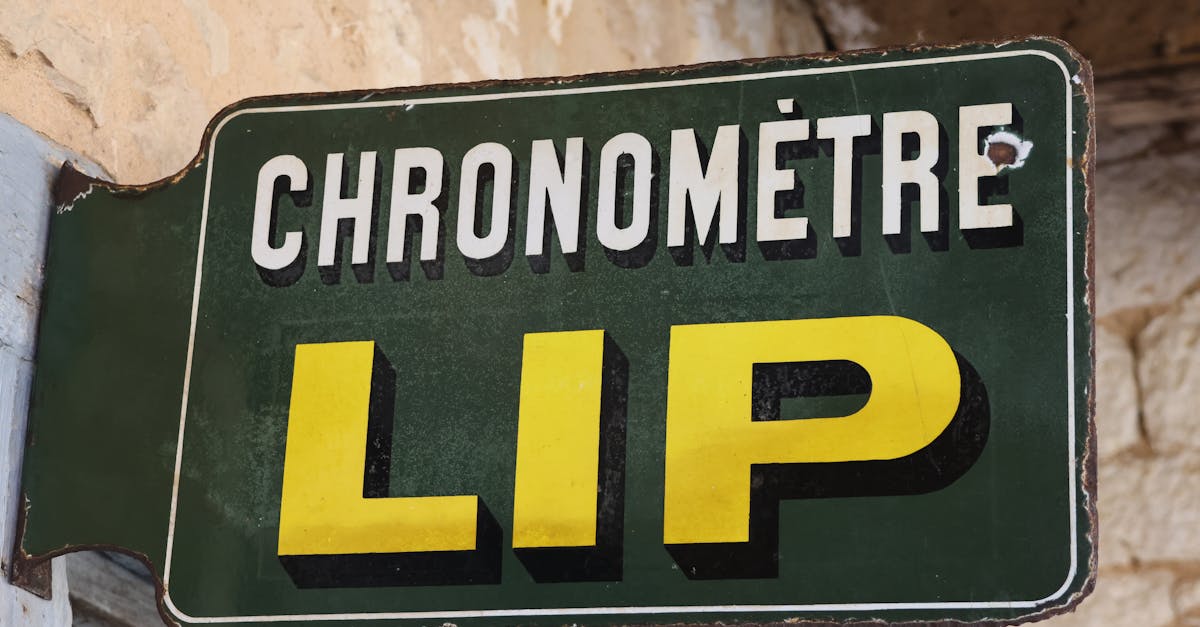 This photo was taken by arnaud audoin on Pexels.
Bonjour and welcome to the land of art, cuisine, and breathtaking landscapes! As a local guide who has spent years welcoming travelers from across the globe to France, I can tell you that while English is widely spoken in major cities, making an effort to speak French transforms your experience from a simple visit into a genuine connection. It opens doors to hidden gems, earns you warm smiles in village bakeries, and shows deep respect for our culture. Whether you are sipping coffee in Paris or wandering through the vineyards of Provence, knowing just a few key phrases will help you navigate daily interactions with confidence and charm. In this post, we will explore the essential vocabulary you need to master greetings, order delicious meals like a true local, ask for directions without getting lost, and handle any emergencies smoothly. Let's get started on your journey to speaking French with ease!
Greetings and Politeness: The Key to French Hearts
In France, the way you begin an interaction is often more important than the words that follow. Unlike in many other cultures where a transaction can start immediately, French social etiquette demands a formal greeting before any request or question is posed. Always start with "Bonjour" (good day) during daylight hours or "Bonsoir" (good evening) after sunset; omitting these greetings can be perceived as rude and may result in a cold reception from shopkeepers or servers. Remember to add "Madame" or "Monsieur" when addressing strangers, as this small gesture of respect signals that you are aware of local customs and are approaching them with courtesy rather than entitlement.
This culture of politeness extends beyond simple hellos into the daily rhythm of your conversations. Before leaving a shop or finishing a meal, never forget to say "Au revoir" (goodbye), and if someone holds a door for you or helps you find your way, a sincere "Merci beaucoup" (thank you very much) goes a long way in bridging cultural gaps. While tourists often focus on learning complex vocabulary, mastering these fundamental courtesies opens doors to warmer interactions and reveals the true hospitality of the French people. By respecting these unwritten rules, you transform from a mere visitor into a welcomed guest, making your journey through the streets of Paris, Lyon, or Provence far more enriching and memorable.
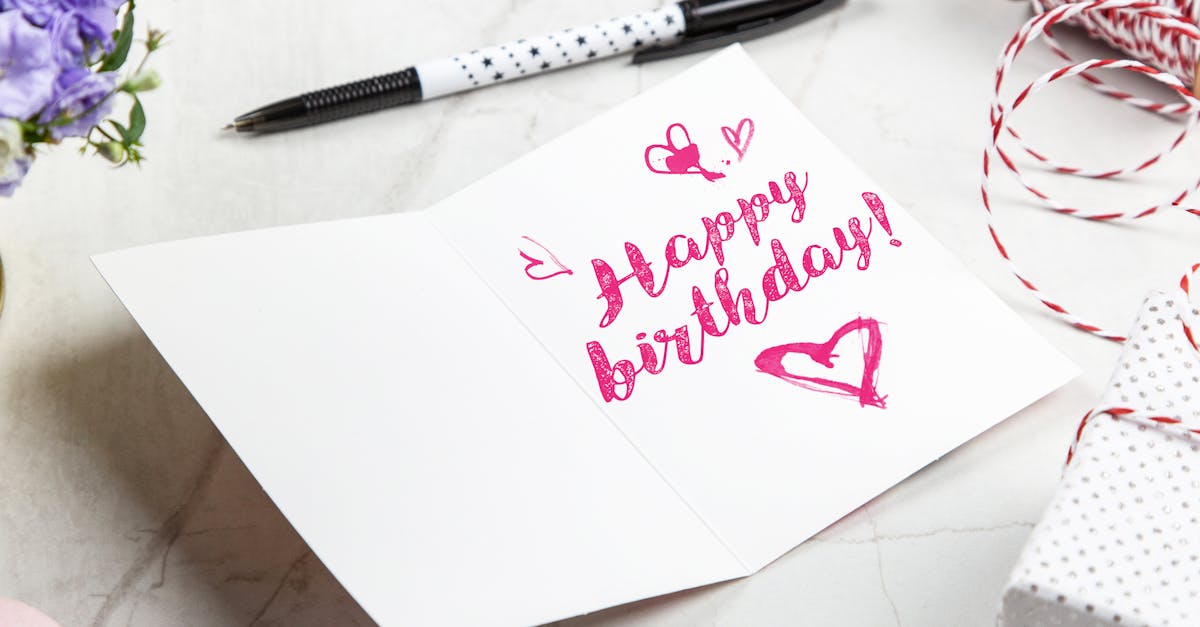 This photo was taken by George Dolgikh on Pexels.
Navigating the Menu: Ordering Like a Local
Dining in France is a ritual best enjoyed by embracing the rhythm of the meal rather than rushing through it. When you approach the waiter, a warm Bonjour is non-negotiable; skipping this greeting can be seen as quite rude before you even order your first course. Instead of simply pointing at items on the menu, try asking for recommendations with Qu'est-ce que vous me conseillez ?, which shows genuine interest in local flavors and often leads to discovering hidden gems not listed on the standard tourist menu. Remember that service is included in the price, so there is no need to worry about tipping excessively, though leaving small change or rounding up the bill is a polite gesture for good service.
Understanding the structure of a traditional French meal can also make ordering less daunting, as menus are often divided into distinct sections like Entrées (starters), Plats Principaux (main courses), and Desserts. If you find yourself unsure about wine pairings, don't hesitate to ask the server, Quel vin recommandez-vous avec ce plat ?; they will likely appreciate the question and guide you toward a regional selection that perfectly complements your dish. Finally, when you have finished eating, simply say C'était délicieux, merci beaucoup to express your satisfaction, ensuring your dining experience ends on a high note just as it began, surrounded by the authentic charm of French hospitality.
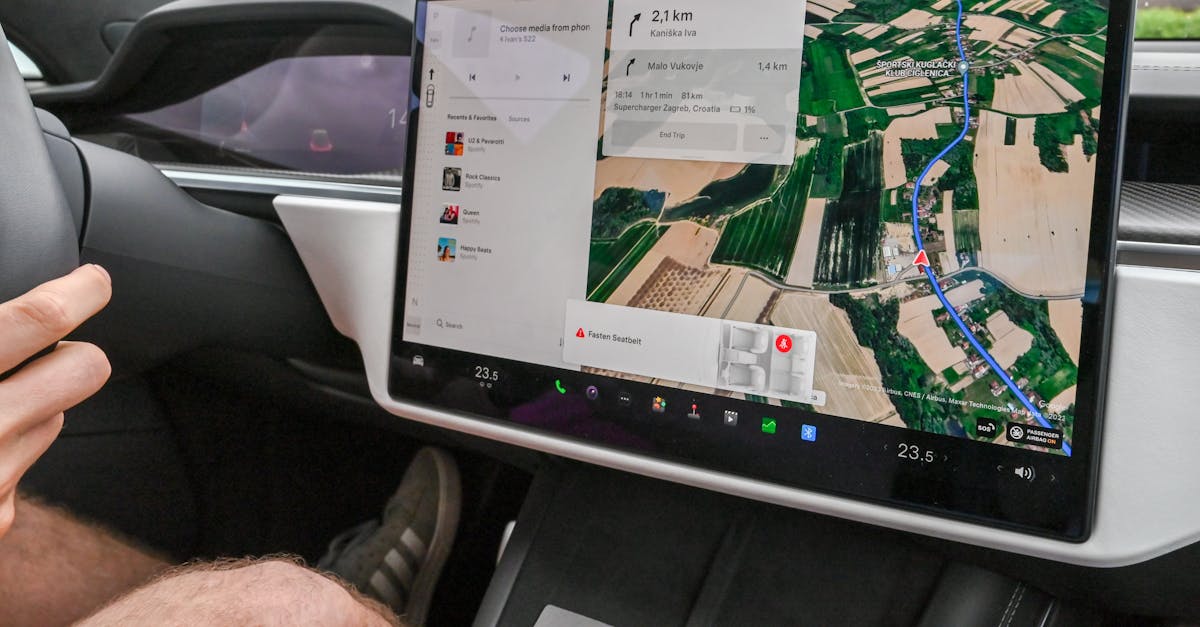 This photo was taken by Vladimir Srajber on Pexels.
Asking for Directions and Handling Emergencies
Navigating the charming streets of Paris, Lyon, or the lavender fields of Provence becomes a seamless adventure when you arm yourself with the right phrases for seeking guidance. A simple "Bonjour, excusez-moi" followed by "Où se trouve...?" (Where is...?) immediately sets a polite tone that French locals appreciate, often turning a moment of confusion into a warm interaction. If you are lost in a historic village or trying to locate a specific metro station, adding "Parlez-vous anglais ?" can help bridge the gap, but remember that starting every inquiry with "S'il vous plaît" and ending with "Merci beaucoup" is the golden rule of etiquette; it shows respect and significantly increases your chances of receiving helpful, detailed directions from friendly residents who are eager to assist visitors.In the rare event of an emergency, knowing how to clearly communicate distress is vital for your safety while exploring the country. Keep the number 112 handy, as it works across all of Europe, but having the phrase "Au secours !" (Help!) or "J'ai besoin d'un médecin" (I need a doctor) ready on your lips can be crucial if language barriers arise during a crisis. It is also wise to memorize "Appelez la police" (Call the police) or "Un accident" (An accident) so you can quickly explain the situation to authorities or bystanders. By preparing these essential terms beforehand, you ensure that even in unexpected situations, you remain calm and capable of securing the assistance you need to continue enjoying your French journey safely. This photo was taken by Efrem Efre on Pexels.