Exploring the D-Day Beaches and Normandy History
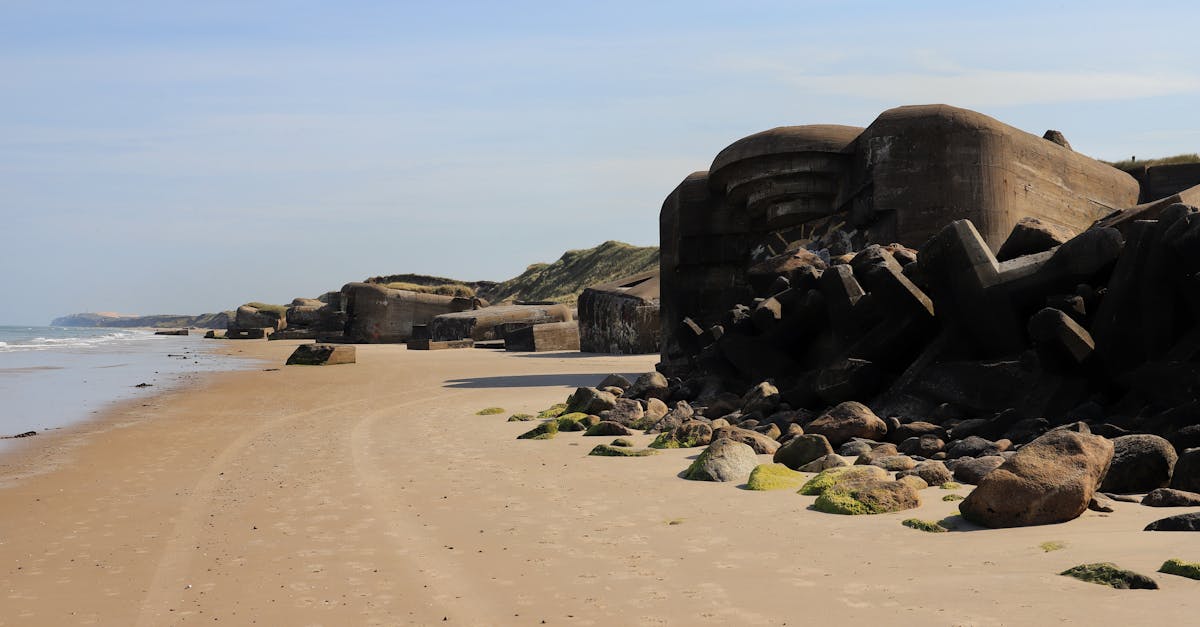 This photo was taken by Christina & Peter on Pexels.
Welcome to the heart of history, where the rolling tides of the English Channel have witnessed some of the most pivotal moments of the 20th century. As you step onto the shores of Normandy, you are not merely visiting a picturesque region of France; you are walking through the pages of a story that reshaped the world. This journey invites you to reflect on the courage of the Allied forces and the resilience of the French people as we traverse the sacred sands of Omaha and Juno, pay our respects at the solemn American Cemetery overlooking the cliffs of Colleville-sur-Mer, and discover how the historic towns of this beloved province transformed from invasion sites into symbols of liberation. Prepare to immerse yourself in a landscape where every stone tells a tale of sacrifice and hope.
The Sacred Sands: Walking the Beaches of Omaha and Juno
Walking the sands of Omaha Beach today offers a profound and humbling journey through history, where the golden dunes now host families enjoying the summer sun rather than the chaos of war. As you stroll along this stretch, once known as "Bloody Omaha," you can feel the weight of the 1944 landings while taking in the breathtaking views of the English Channel; the National Cemetery at Colleville-sur-Mer sits just inland, its white crosses standing as silent sentinels over the fallen heroes who made the ultimate sacrifice here. The contrast between the serene beauty of the Normandy coast and the brutal reality of that fateful June morning creates a powerful emotional resonance, inviting visitors to reflect on the courage required to breach the Atlantic Wall and liberate Europe.
A short drive east leads you to Juno Beach, the landing site of the Canadian forces, which presents a slightly different yet equally moving atmosphere characterized by a blend of solemn remembrance and vibrant local life. Here, the Juno Beach Centre serves not only as a museum dedicated to the Canadian contribution to the D-Day campaign but also as a place for dialogue and understanding, ensuring that the stories of ordinary soldiers are never forgotten. Walking along these shores, with the historic Caen sur Mer promenade nearby, allows tourists to appreciate how the region has transformed from a battlefield into a symbol of peace and international cooperation, making it an essential stop for anyone seeking to truly understand the human cost and triumph of World War II in France.
 This photo was taken by Jean-Paul Wettstein on Pexels.
Monuments to Memory: Visiting the American Cemetery at Colleville-sur-Mer
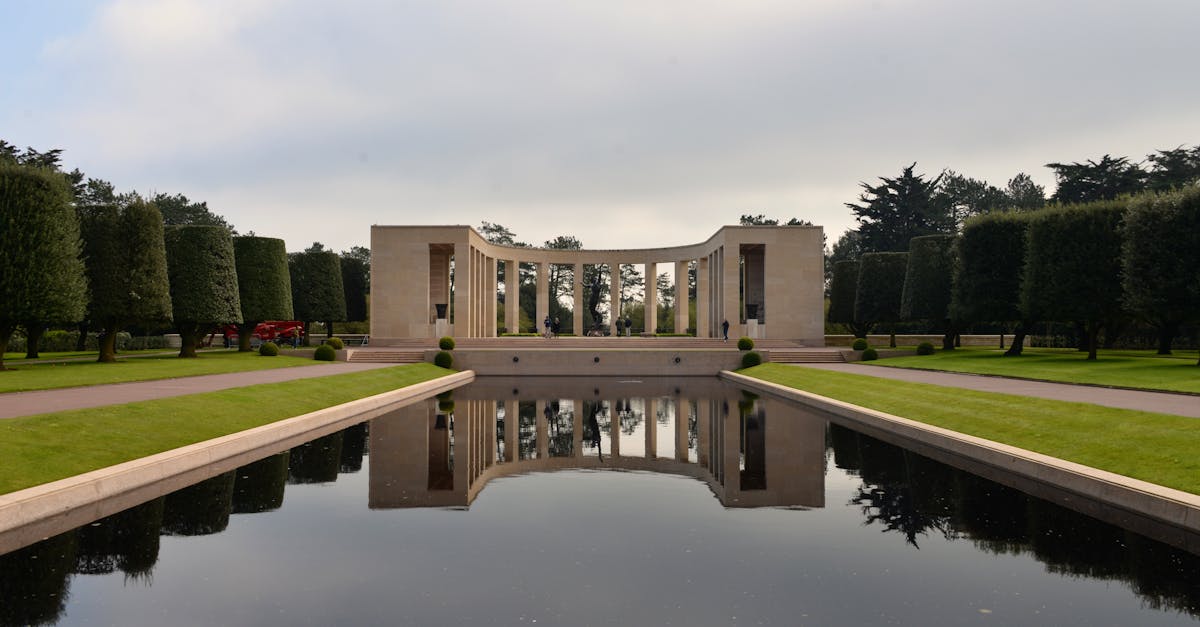
Just a short drive from the bustling charm of Bayeux lies the solemn and breathtaking American Cemetery at Colleville-sur-Mer, where over 9,000 white marble crosses and stars stand in perfect rows against the backdrop of the English Channel. This hallowed ground, designed by architect George Gilbert Scott Jr., offers a profound sense of peace and reverence that contrasts sharply with the rugged cliffs above, inviting visitors to reflect on the immense sacrifice made during Operation Overlord. As you walk among the pristine graves under the watchful gaze of the Statue of Liberty, you are reminded not just of the battle's scale, but of the individual stories behind each name etched into the stone, creating an emotional experience that resonates deeply with travelers from around the world.
Beyond the visual impact of the cemetery, this site serves as a vital educational hub for understanding the broader narrative of D-Day, seamlessly connecting the beaches of Omaha and Utah to the larger Allied victory. The visitor center provides detailed exhibits and maps that bring the historical context to life, allowing guests to grasp the strategic challenges faced by the young soldiers who landed here on June 6, 1944. Whether you are paying your respects at the grave of Major General Theodore Roosevelt or simply sitting quietly to listen to the wind off the sea, the cemetery remains a powerful testament to freedom and friendship, ensuring that the legacy of those who fought for liberty is never forgotten by future generations.
 This photo was taken by Edouard CHASSAIGNE on Pexels.
From Invasion to Liberation: A Journey Through Normandy's Historic Towns
Normandy's historic towns offer a profound narrative that stretches far beyond the famous D-Day landings, weaving together centuries of conquest and resilience. As you wander through the cobblestone streets of Bayeux, once a strategic stronghold during the Viking invasions, you can trace the footsteps of William the Conqueror before stepping into the hallowed grounds of the Bayeux Tapestry Museum, where the story of 1066 unfolds in vivid wool thread. This region has repeatedly served as a battleground for empires, from the Roman occupation to the Hundred Years' War, yet each town retains a unique architectural soul that speaks to its enduring spirit. The ancient ramparts of Rouen, where Joan of Arc met her fate, stand as solemn reminders of a past defined by conflict, inviting visitors to reflect on how these communities survived and thrived despite being at the crossroads of European history.
The journey culminates in the poignant liberation of 1944, transforming the landscape from a theater of war into a sanctuary of peace and remembrance. Walking along the cliffs overlooking Omaha Beach or exploring the American Cemetery at Colleville-sur-Mer provides an emotional connection to the sacrifices made to reclaim freedom, while the meticulously preserved landing craft and bunkers at Arromanches serve as tangible testaments to the logistical marvel of the Allied invasion. Today, the historic towns like Caen and Cherbourg have evolved into vibrant cultural hubs where museums like the Memorial de Caen educate new generations about the horrors of war and the precious value of liberty. By traversing this path from ancient invasion sites to modern memorials, travelers gain a comprehensive understanding of Normandy's identity, shaped by both its turbulent past and its triumphant recovery.
 This photo was taken by Loic Van Montagu on Pexels.