Exploring the Medieval Charm of Carcassonne and Provins
 This photo was taken by Valeria Drozdova on Pexels.
Bonjour, fellow travelers! Welcome to a journey through the heart of French history, where stone walls whisper tales of knights and kings. In this post, we invite you to step away from the modern world and immerse yourself in two of France's most captivating medieval treasures: Carcassonne and Provins. From the awe-inspiring double-walled fortress that defines the skyline of Occitanie to the bustling fairgrounds of Provins that once hosted the great fairs of Champagne, these destinations offer an unparalleled glimpse into the past. Whether you are marveling at ancient ramparts, donning period costumes for a historical reenactment, or savoring rustic delicacies in vibrant local markets, our guide will lead you on a culinary and cultural adventure unlike any other. Get ready to unlock the secrets of the Middle Ages as we explore the enduring charm of these UNESCO World Heritage sites.
Wandering Through the Double-Walled Fortress of Carcassonne
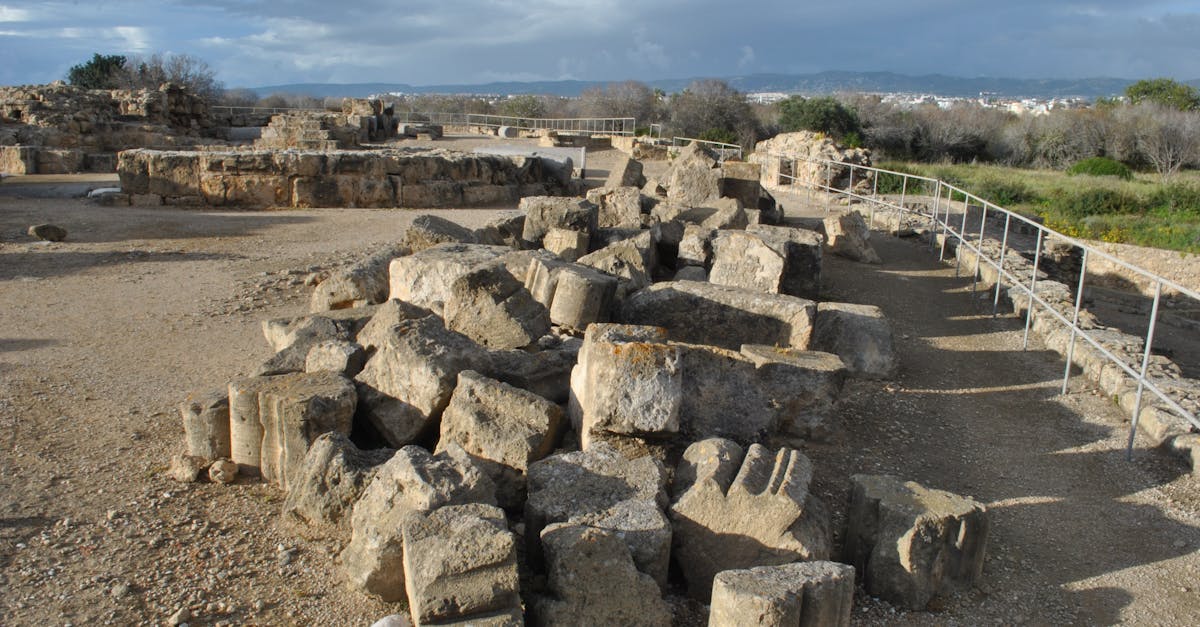
Stepping through the Porte Narbonnaise, you are immediately transported back to a time of knights and kings as you enter the double-walled fortress of Carcassonne, one of Europe's most spectacularly preserved medieval citadels. The sheer scale of the site is breathtaking; 52 towers rise majestically along the outer ramparts, while a second line of defense guards the inner town, creating a labyrinthine experience that feels both imposing and enchanting. As you wander the cobblestone streets within the walls, the air is filled with the echoes of history, from the ancient stone arches of the Basilica of Saint-Nazaire to the charming boutiques selling local crafts and wine, all set against the dramatic backdrop of the Pyrenees mountains on a clear day.
The true magic of this UNESCO World Heritage site comes alive when the sun begins to set, casting long shadows across the turrets and turning the white stone into a golden hue that seems to glow in the twilight. Whether you choose to climb the highest tower for panoramic views of the surrounding countryside or simply enjoy a leisurely stroll along the ramparts listening to street performers dressed in period costumes, the atmosphere is steeped in an authentic medieval charm that few other places can match. It is not merely a museum piece but a living testament to centuries of resilience, inviting visitors to imagine the daily life of its inhabitants while exploring every nook and cranny of this magnificent stone wonder.
 This photo was taken by Sebastiaan Stam on Pexels.
Stepping Back in Time at Provins' Medieval Fairgrounds
 This photo was taken by Muhammed Hanefi on Pexels.
A Culinary Journey: From Castles to Markets
Immerse yourself in the gastronomic soul of southern France as you wander from the fortified ramparts of Carcassonne to the bustling medieval squares of Provins. In Carcassonne, the air is often thick with the savory aroma of cassoulet simmering in clay pots, a hearty dish that perfectly complements the city's fortress history. After exploring the Château Comtal, treat yourself to a glass of crisp Crémant de Limoux or a robust red from the Languedoc region at a terrace café overlooking the Aude River. As you journey north to Provins, the culinary landscape shifts to the heart of the Champagne vineyards and traditional fairs, where you can savor local specialties like "pain d'épices" (spiced bread) and artisanal cheeses during the famous Medieval Festival, blending historical ambiance with exquisite flavors.
The true magic of this region lies in its vibrant markets, which serve as living museums of French culinary heritage. On market days in both cities, locals gather to trade fresh produce, honey, and cured meats, offering a sensory experience that dates back centuries. In Provins, don't miss the opportunity to taste the famous "Brioche de Provins," a sweet bread often sold by vendors dressed in period costumes, while in Carcassonne, seek out the weekly stalls selling wild mushrooms and truffles foraged from the surrounding countryside. These markets are not merely places to shop but are essential stops on your culinary journey, connecting you directly to the traditions that have sustained these historic towns through the ages.
 This photo was taken by Loic Van Montagu on Pexels.