French Culture 101: Etiquette, Language, and Local Customs
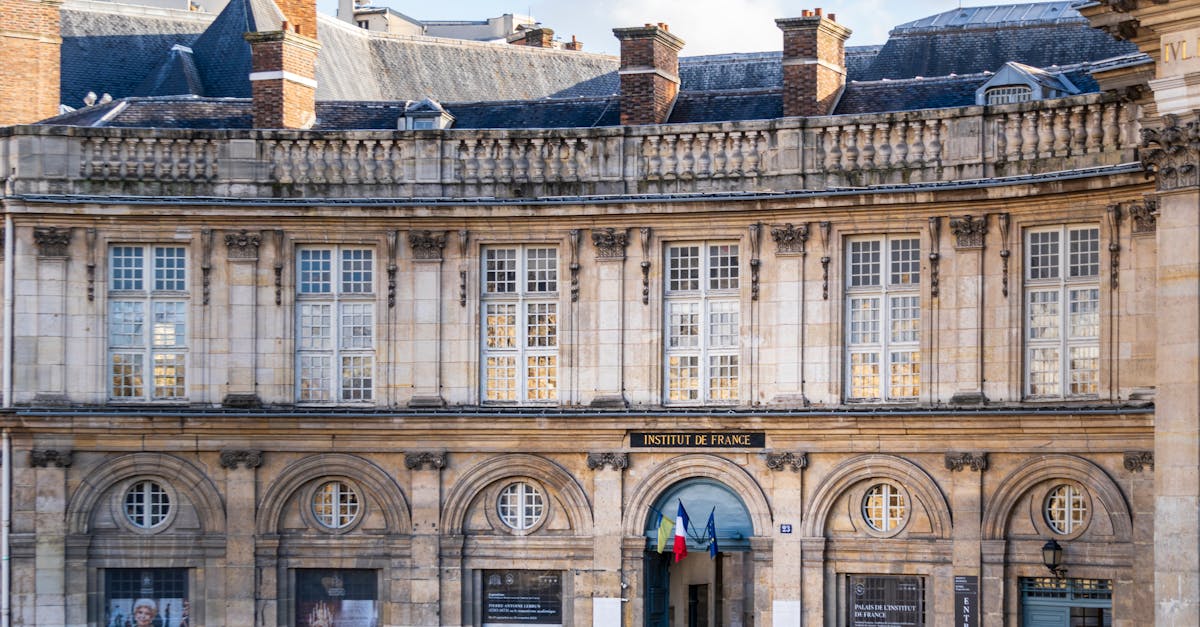 This photo was taken by Abhishek Navlakha on Pexels.
Welcome to the heart of France, where every interaction is a dance and every meal is a celebration. As your guide through this enchanting country, I invite you to look beyond the postcard views and immerse yourself in the rich tapestry of French life. Whether you are strolling through the cobblestone streets of Paris or sipping wine in a quiet village in Provence, understanding the local nuances will transform your trip from a simple visit into a memorable journey. In this guide, we will explore The Art of Greeting: Mastering French Etiquette, help you go Beyond Bonjour: Navigating the French Language with Confidence, and show you how to Savor the Moment by embracing Essential Local Customs and Dining Traditions. Get ready to unlock the secrets of authentic French culture and connect with locals on a deeper level.
The Art of Greeting: Mastering French Etiquette
Stepping into a French café or boutique, the first rule of engagement is never to rush; a warm, deliberate greeting sets the tone for your entire visit. Whether you are entering a shop or meeting someone new, always initiate with a polite Bonjour or Bonsoir, accompanied by eye contact and a slight nod. In more formal settings or when meeting elders, a gentle handshake is customary, while close friends and family often exchange la bise, a series of light cheek kisses that varies in number depending on the region. Skipping this initial acknowledgment is considered rude and can create an immediate barrier, so take a moment to establish that human connection before asking any questions or making purchases.
Mastering the nuances of these greetings also extends to how you address people throughout your conversation. It is essential to consistently use the formal vous rather than the informal tu unless explicitly invited to do otherwise, as this demonstrates respect for personal boundaries. Even if the interaction flows naturally, maintaining this level of politeness shows that you value French social codes. As you leave, remember to conclude your interaction just as warmly; a simple Au revoir or Bonne journée ensures you depart with a smile, leaving a lasting impression of cultural appreciation and courtesy that locals will genuinely admire.
 This photo was taken by Jan van der Wolf on Pexels.
Beyond Bonjour: Navigating the French Language with Confidence
Mastering the art of French conversation begins long before you attempt to order a croissant; it starts with the essential ritual of greeting. In France, skipping a polite "Bonjour" or "Bonsoir" upon entering a shop or approaching a stranger is considered rude and can immediately shut down any potential interaction. While many locals in major cities speak English, making an effort to engage in your native language first demonstrates respect for their culture. Embrace the rhythm of the language by practicing common phrases like "Je voudrais..." (I would like...) and remember that asking "Parlez-vous anglais?" only after failing to communicate in French is often seen as more courteous.
Confidence in navigating the French language also comes from understanding its nuanced social etiquette, particularly regarding formality. The distinction between "tu" (informal) and "vous" (formal) is crucial; unless invited otherwise, always default to "vous" when addressing adults, shopkeepers, or officials to maintain proper decorum. Don't be discouraged by initial pronunciation struggles, as the French generally appreciate the attempt far more than flawless grammar. By approaching every exchange with humility and a willingness to learn, you transform simple transactions into genuine cultural connections, proving that your journey through France is about much more than just sightseeing.
 This photo was taken by Ákos Szűcs on Pexels.
Savoring the Moment: Essential Local Customs and Dining Traditions
In France, dining is far more than a mere necessity; it is a sacred ritual that demands patience and appreciation for the culinary arts. When you enter a restaurant, remember that rushing through your meal is often seen as impolite, as locals take their time to savor each course and engage in lively conversation. A key custom to observe is waiting until everyone at the table has been served before beginning to eat, and always keep your hands visible on the table, resting wrists lightly on the edge rather than in your lap. The bread basket is communal, and tearing off small pieces of baguette with your fingers is perfectly acceptable, but cutting it into bite-sized chunks with a knife is considered unnecessary and slightly gauche.
Beyond the mechanics of eating, the language of hospitality plays a crucial role in enhancing your experience. Never forget to greet the staff with a warm "Bonjour" or "Bonsoir" upon entering and a polite "Merci, au revoir" when leaving; skipping this greeting can be interpreted as rude regardless of your intentions. If you are ordering wine, wait for the server to pour a small taste for you to approve before they fill the glass, and do not hesitate to ask questions about the menu or regional specialties, as French people generally love sharing their gastronomic heritage. Ultimately, embracing these traditions shows respect for the culture and transforms a simple meal into an authentic memory of your journey.
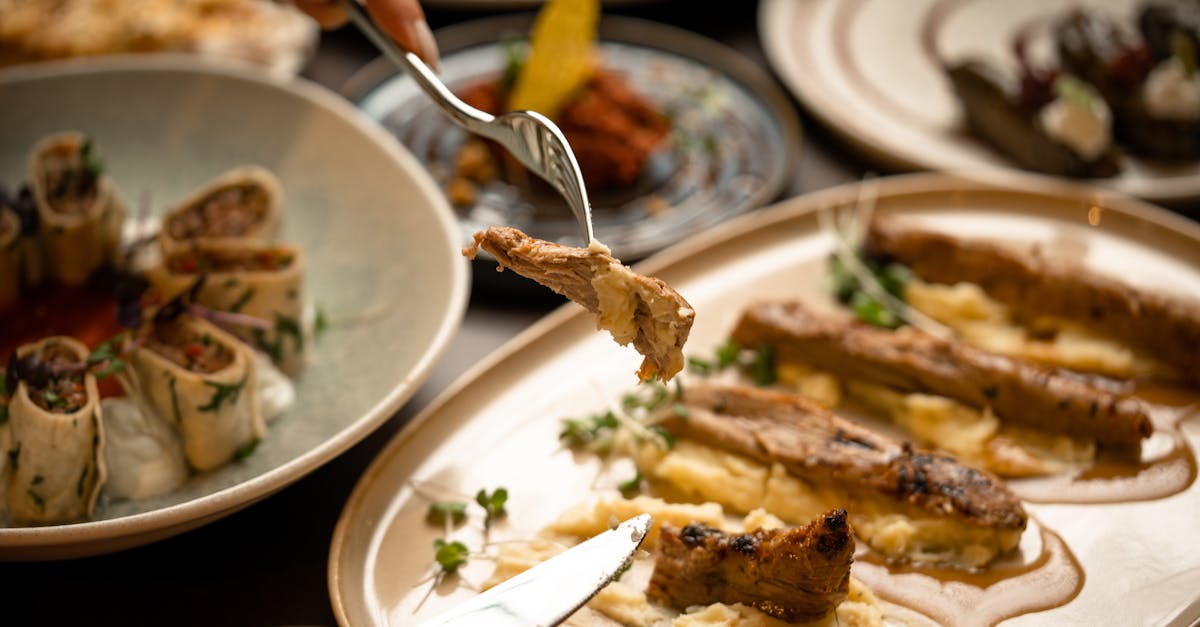 This photo was taken by Kemal Can on Pexels.