French Food Markets: A Local's Guide to Fresh Produce
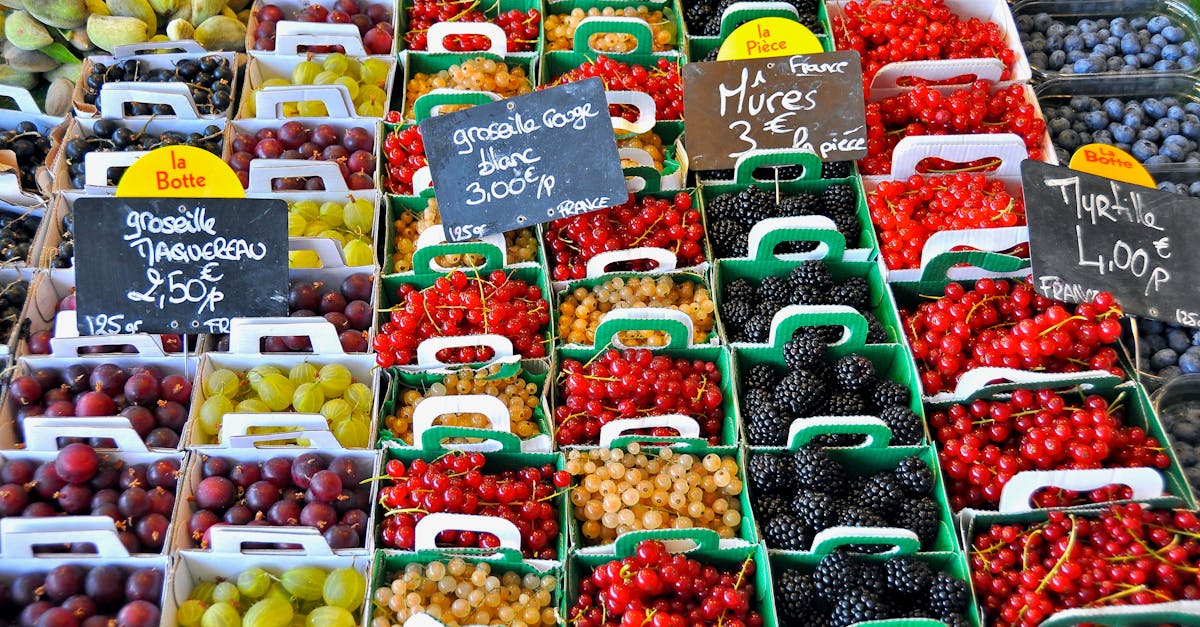 This photo was taken by Peter de Vink on Pexels.
Welcome to the beating heart of French culinary culture, where the air is filled with the earthy scent of fresh truffles, the vibrant colors of heirloom tomatoes, and the warm aroma of just-baked baguettes. French food markets are not merely places to shop; they are lively social hubs that have thrived for centuries, offering an authentic glimpse into the daily rhythm of life in our beautiful country. Whether you are wandering through the historic streets of Paris or strolling along the sun-drenched promenades of Provence, these open-air treasures provide a sensory feast that no supermarket can replicate. In this guide, we will walk you through the morning buzz to help you navigate with confidence, reveal the seasonal treasures waiting to be discovered at the perfect time of year, and share essential tips on how to select the finest ingredients straight from the stall to your table.
Navigating the Morning Buzz: Tips for First-Timers
Stepping into a bustling French marché at dawn can feel like entering a vibrant, sensory-rich film scene, but don't let the initial rush overwhelm you. To navigate the morning buzz with ease, arrive early to secure the best selection of seasonal produce before the crowds descend, and always carry some small change in your pocket for quick transactions. Remember that politeness is your golden ticket; a simple "Bonjour" before asking any questions or making a purchase sets a respectful tone and often earns you a warmer welcome from the vendors who take immense pride in their wares.
Once you are comfortable with the flow, take your time to engage with the sellers, as they are often the most knowledgeable sources on how to select, store, and prepare fresh ingredients. Ask them for tips on ripeness or suggest a dish you are planning to cook, as this conversation transforms a simple shopping trip into a genuine cultural exchange. By observing the rhythm of the market and embracing these interactions, you will quickly transition from an overwhelmed tourist to a confident shopper, ready to enjoy the authentic flavors of France straight from the source.
 This photo was taken by Chitokan C. on Pexels.
Seasonal Treasures: What to Buy and When
Visiting a French food market is an exercise in patience and anticipation, as the true treasures are often dictated by the rhythm of the seasons. In late spring and early summer, your basket should be filled with the first blush of strawberries from the Loire Valley, tender asparagus spears that seem to vanish quickly, and the delicate aroma of fresh herbs like chervil and tarragon. As autumn descends upon the countryside, the markets transform into vibrant displays of earthy bounty; this is the golden hour for truffles, wild mushrooms, chestnuts, and the legendary pumpkins used for potimarron soup. By winter, the focus shifts to hardy root vegetables, hearty cabbages, and the rich, slow-cooked flavors of game meats and preserved goods that have been curing since the harvest.
To truly capture the essence of these seasonal gifts, timing your visit is just as crucial as knowing what to look for. Early mornings, typically between 8:00 AM and 11:00 AM, offer the freshest catch of the day, especially in coastal towns where the morning tide brings in the most exquisite seafood before it is sold out. However, if you are hunting for specific produce like cherries or melons, you must plan your trip around their brief windows of availability, often found only in July and August. Don't hesitate to strike up a conversation with the vendors about their specialties; they are often eager to share recipes or tell you exactly which local variety is at its peak, ensuring that your culinary souvenirs taste as authentic as the region itself.
 This photo was taken by Suzy Hazelwood on Pexels.
From Stall to Table: Choosing Your Fresh Ingredients
Navigating the vibrant aisles of a French marché requires more than just an empty basket; it demands a keen eye for seasonal perfection and a willingness to engage with your suppliers. As you wander past stalls overflowing with glistening cheeses, earthy truffles, and heirloom tomatoes, remember that the best ingredients are those picked at their peak ripeness. Don't hesitate to ask the producers about their methods or how they plan to cook their goods, as these conversations often reveal the hidden stories behind the produce and can transform a simple dinner into a culinary discovery.Once you have selected your treasures, the transition from stall to table is where the true magic of French gastronomy unfolds. The key lies in respecting the integrity of each item by letting its natural flavors shine through minimal intervention. Whether you are preparing a rustic tart with flaky pastry and sweet onions or a delicate fish dish drizzled with local olive oil, allow the quality of your market finds to guide your seasoning. This approach not only honors the farmer's hard work but also ensures that every bite captures the authentic essence of the region you are visiting. This photo was taken by Jean-Paul Wettstein on Pexels.