From Baguette to Brie: Understanding French Dining Etiquette
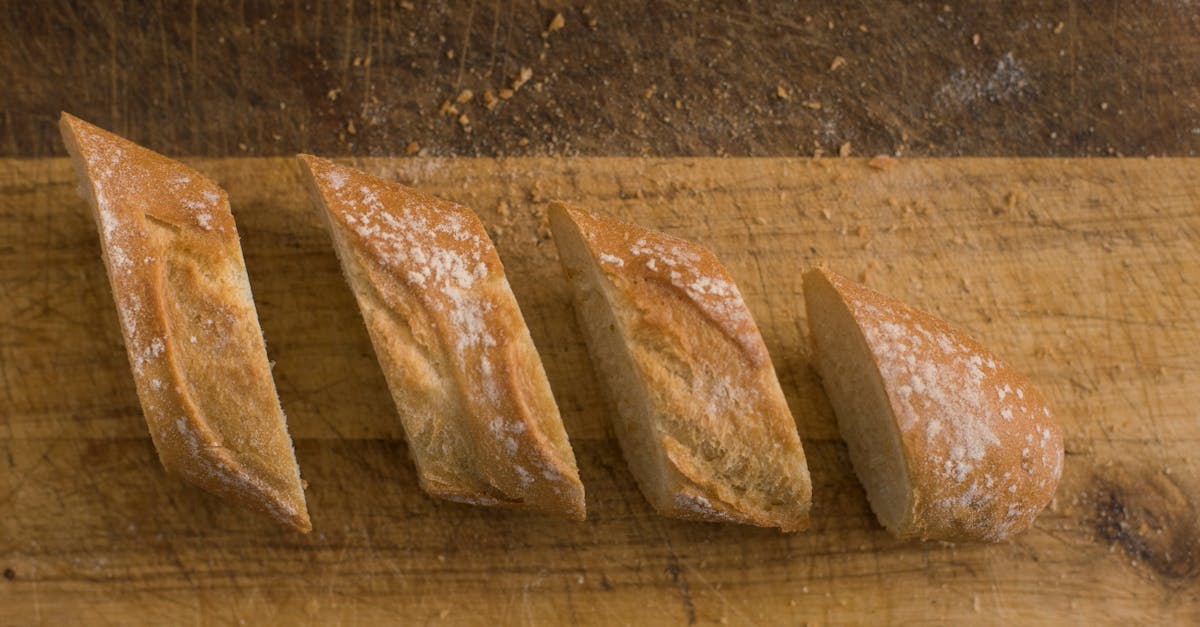 This photo was taken by Alina Skazka on Pexels.
Welcome to the heart of French culture, where dining is far more than a mere necessity—it is an art form deeply woven into the fabric of daily life. As you wander from the bustling markets of Paris to the sun-drenched vineyards of Bordeaux, understanding the unspoken rules of the table will transform your culinary experience from simple sustenance into a memorable celebration. Whether you are marveling at how to properly place your bread beside your plate, navigating the elegant multi-course structure that defines a traditional meal, or learning to savor the leisurely pace and spirited conversation that accompanies every forkful, this guide is your key to unlocking the true spirit of French hospitality. Let us embark on a journey from baguette to Brie, ensuring you dine with confidence and grace wherever your travels take you across our beautiful country.
Mastering the Table Manners: From Bread Placement to Wine Pairing
Navigating the French dining table begins with understanding the subtle yet crucial choreography of your bread, which is never placed directly on a plate but rests atop the charger or the side of your dinner plate until ready to be eaten. Tear off small, bite-sized pieces by hand rather than cutting the baguette with a knife, and remember that butter should only be applied to these individual morsels, not the entire loaf. As you transition from appetizer to main course, keep your hands visible above the table with wrists resting gently on the edge, avoiding the common mistake of resting elbows on the surface; this posture signals engagement and respect for your fellow diners while maintaining the elegant rhythm of a traditional French meal.
The art of wine pairing in France is less about rigid rules and more about harmony between the region's terroir and your dish, often guided by the simple maxim of "red with red, white with white," though exceptions abound depending on the sauce and richness of the food. When pouring your own glass, hold the bottle by the base and pour slowly into the center of the bowl, stopping before the liquid threatens to spill over the rim, while ensuring you never fill it more than one-third full to allow the aromas to develop. Finally, always wait for the host to initiate the first toast with a cheerful "Santé!" or "À votre santé," raising your glass slightly higher than theirs as a sign of deference before taking that first sip, turning a simple meal into a celebration of culture and connection.
 This photo was taken by Erik Mclean on Pexels.
Navigating the Course Sequence: A Guide to French Meal Structure
In France, dining is not merely about sustenance but a carefully choreographed journey where each course plays a distinct role in the evening's narrative. The traditional sequence begins with an apéritif, a pre-meal drink accompanied by light snacks to stimulate the appetite, followed by the entrée, which serves as a delicate starter rather than a main dish. This is succeeded by the plat principal, often featuring meat or fish paired with vegetables and starches, before moving to the cheese board (plateau de fromages) that showcases the country's regional diversity. Finally, the meal concludes with dessert and perhaps a digestif, ensuring that every moment allows guests to savor the flavors and engage in leisurely conversation without rushing.
Navigating this structure requires a shift in mindset for visitors accustomed to all-in-one plates; patience is your most valuable currency here. Do not be surprised if courses are served sequentially rather than simultaneously, as the rhythm of the meal is designed to extend the experience over several hours. It is customary to wait until everyone at the table has received their current course before beginning, and it is considered polite to keep your hands visible on the table, resting them lightly above the edge rather than in your lap between bites. By embracing this deliberate pace, you will find yourself immersed in the true spirit of French hospitality, where the food is just one part of a rich cultural tapestry woven through time and tradition.
This photo was taken by Erik Mclean on Pexels.
The Art of Conversation and Dining Pace in France
In France, dining is far more than a mere necessity; it is a sacred ritual where conversation flows as freely as the wine, often taking precedence over the speed of eating. Unlike the hurried "grazing" culture found in many other nations, a French meal is designed to be savored slowly, with each course acting as a pause for meaningful dialogue rather than a quick refueling stop. It is customary to engage your fellow diners with stories and laughter, maintaining eye contact and showing genuine interest, as silence can sometimes be interpreted as disinterest or discomfort. The host will often guide the flow of discussion, ensuring everyone feels included, while guests are expected to listen attentively and contribute thoughtfully, transforming a simple dinner into a shared cultural experience that celebrates connection.
This deliberate pace extends to the physical rhythm of the meal itself, where rushing is considered rude and even slightly gauche. You will notice that courses are served sequentially, and diners wait until everyone has been served before beginning, savoring each bite without reaching for the next forkful immediately. If you find yourself finishing your plate quickly, it is perfectly acceptable to rest your hands on the table or hold your utensils gently rather than signaling the server for haste. The goal is to linger, allowing the flavors of the cheese, the richness of the sauce, and the warmth of the company to blend together, creating a memory that lasts long after the final coffee has been poured and the check discreetly placed on the side of the table.
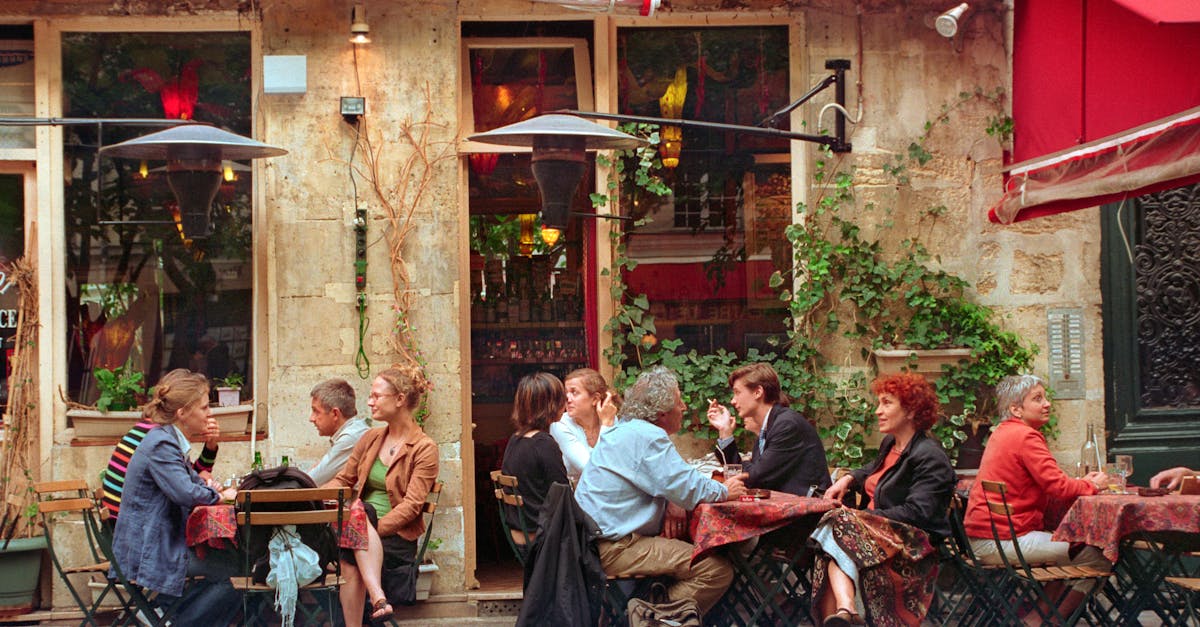 This photo was taken by David Henry on Pexels.