From Baguettes to Bistros: Mastering the French Dining Experience
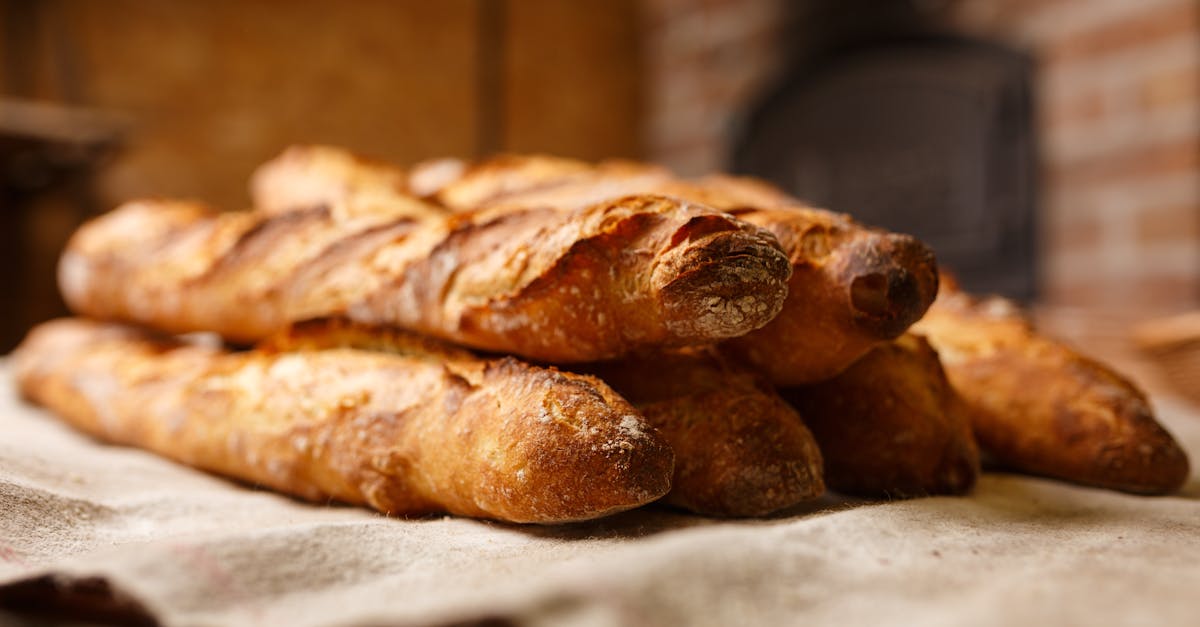 This photo was taken by Pixabay on Pexels.
Welcome to the heart of French culture, where a meal is far more than mere sustenance—it is a celebration of history, artistry, and connection. As you wander through the cobblestone streets of Paris or settle into a sun-drenched courtyard in Provence, you will discover that dining here is a ritual steeped in tradition yet wonderfully accessible to the curious traveler. From the satisfying crunch of a fresh baguette to the warm, welcoming ambiance of a local bistro, every detail invites you to slow down and savor the moment. In this guide, we will help you navigate the language of menus with confidence, master the subtle rhythms of French etiquette, and unlock the perfect harmony between wine, cheese, and dessert, ensuring your culinary journey across France is nothing short of unforgettable.
Decoding the Menu: A Guide to French Culinary Terms
Stepping into a traditional French bistro can feel like entering a new world, especially when the menu arrives adorned with terms that seem to belong to another language. Fear not, for understanding these culinary keywords is the key to unlocking the full potential of your meal. When you see à la carte, it simply means dishes are priced individually rather than as part of a set meal, while du jour indicates the chef's daily special, often featuring the freshest seasonal ingredients available that very morning. If you encounter sauce au poivre or confit de canard, remember that the first describes a classic pepper sauce and the latter refers to duck leg slow-cooked in its own fat until tender—a true taste of regional heritage.
Furthermore, mastering a few essential ordering phrases will transform your dining experience from a simple transaction into a cultural immersion. Knowing that la carte is the menu and la formule is a fixed-price lunch deal allows you to navigate options with confidence. Don't hesitate to ask for l'addition when you are ready to pay, and if you wish to order wine by the glass, use the term une demi-bouteille or un verre. Even something as simple as requesting water, de l'eau, comes with choices: avec du gaz for sparkling or sans gaz for still. Embracing these terms not only ensures you get exactly what you want but also shows respect for the local customs, inviting the staff to share their passion for French gastronomy with you.
 This photo was taken by Matej on Pexels.
The Art of Dining: Etiquette and Timing at the Bistro
At the heart of French culinary culture lies the bistro, a place where dining is treated as a deliberate art form rather than a mere refueling stop. Etiquette here begins with patience; unlike in some cultures where rushing to finish a meal is common, in France, time is meant to be savored alongside your food. It is customary to wait until everyone at the table has been served before taking the first bite, and conversation should flow naturally between courses without the pressure of immediate service. When ordering, it is polite to greet the server with a simple "Bonjour" or "Bonsoir," and while tipping is not mandatory as service is included in the bill, leaving small change or rounding up the total is a gracious gesture for good service.
Timing plays an equally crucial role in the bistro experience, particularly regarding the rhythm of the meal itself. Lunch typically runs from 12:00 PM to 2:00 PM, while dinner often starts later, around 7:30 PM or even 8:00 PM, so arriving too early might find you waiting for the kitchen to open. Once seated, do not expect your water or wine to arrive instantly; servers are trained to let guests settle in and peruse the menu at their own pace. Furthermore, if you order multiple courses, the staff will carefully coordinate the timing between dishes, so resist the urge to ask for them all at once. Embracing this unhurried tempo allows you to fully appreciate the flavors and the social atmosphere that defines the authentic French dining experience.
 This photo was taken by Erik Mclean on Pexels.
Beyond the Plate: Pairing Wine, Cheese, and Dessert
Once the savory courses have been enjoyed, the true art of French dining unfolds in the delicate dance between wine, cheese, and dessert. Rather than rushing to the final sweet course, take a moment to savor the fromage, selecting a variety that complements your glass; a crisp Sancerre cuts through the richness of a creamy Brie, while a robust Bordeaux stands up beautifully to an aged Comté. This is not merely about consumption but about conversation and contemplation, allowing the tannins of the wine to interact with the fats of the cheese to create a harmonious balance that defines the elegance of a French meal.
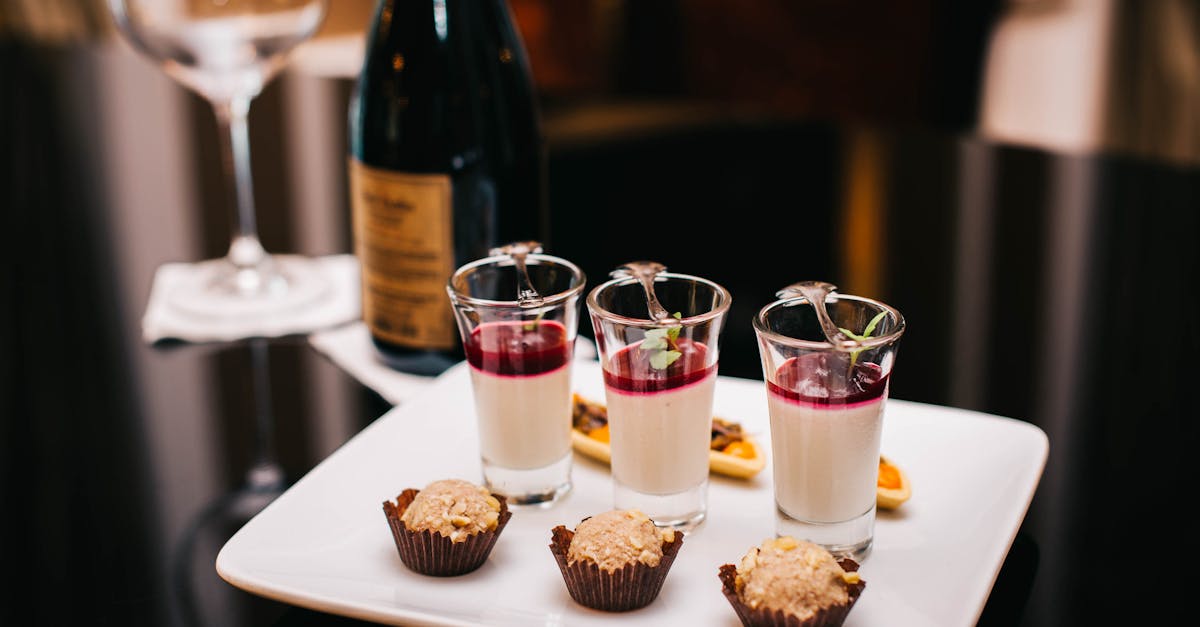
To conclude this culinary journey, transition gently into dessert by choosing a light, fruit-forward wine like a Muscat or a slightly sparkling Crémant if you prefer something effervescent to cleanse the palate. The finale often features classic treats such as a warm Tarte Tatin or a delicate Crème Brûlée, which should be paired thoughtfully rather than overwhelmed by heavy reds. Remember that in France, the end of the meal is a celebration of time spent together, where the slow pace allows you to appreciate how each element—from the earthy cheese to the sugary finish—creates a perfect symphony of flavors before the bill arrives.
 This photo was taken by Novkov Visuals on Pexels.