From Croissants to Coq au Vin: Mastering French Dining Etiquette
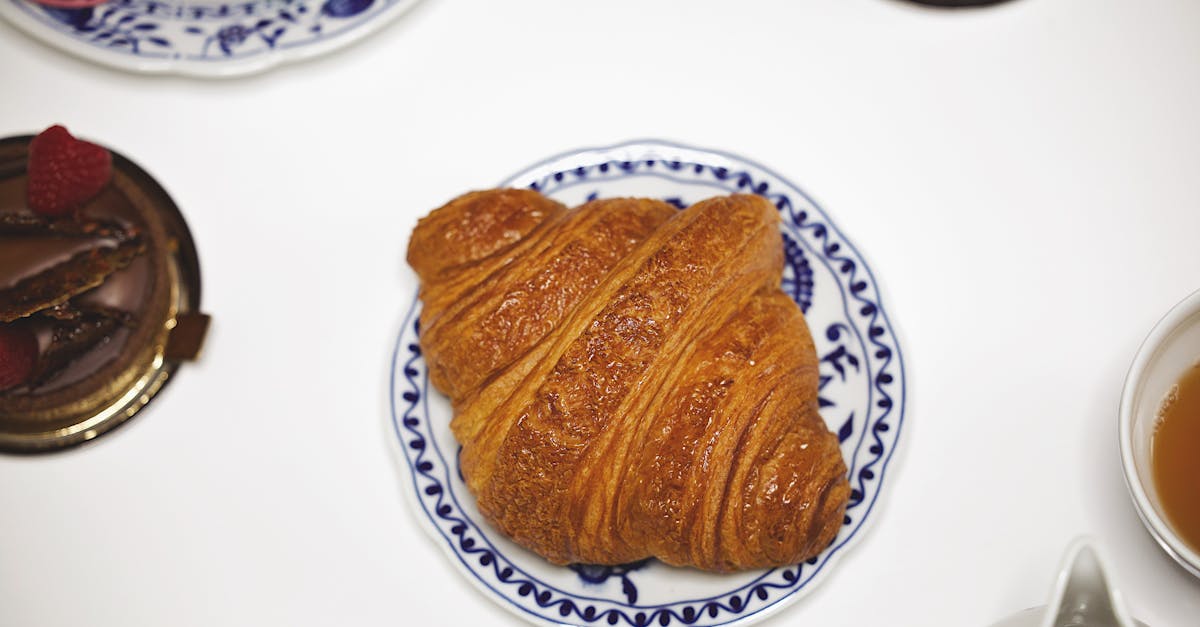 This photo was taken by kaleef lawal on Pexels.
Bonjour and welcome to the heart of French culture! For many, a trip to France promises not just breathtaking landscapes and historic landmarks, but an unforgettable culinary journey where every meal is a celebration. Yet, navigating the intricate world of French dining can sometimes feel like learning a new language. Fear not, fellow traveler; this guide is designed to help you move from a nervous visitor to a confident diner who truly understands the rhythm of French life.
In From Croissants to Coq au Vin: Mastering French Dining Etiquette, we will unravel the secrets behind the morning café ritual, demystify the art of table manners and timing, and show you exactly how to dine with grace when faced with classic dishes like Coq au Vin. Whether you are sipping your first espresso or raising a glass of red wine for a toast, get ready to embrace the elegance of "l'art de vivre" and make your next French meal a memory to cherish forever.
The Art of the Breakfast: Navigating the Café Culture
In France, breakfast is far more than a quick fuel-up; it is a leisurely ritual deeply rooted in café culture that invites you to slow down and savor the moment. Unlike the hurried continental meals of other countries, a traditional French petit déjeuner often centers around the golden flakiness of a fresh croissant or the buttery layers of a pain au chocolat, paired with a steaming cup of café au lait or a sharp espresso. Whether you are perched at a small iron table on a Parisian sidewalk or nestled in a cozy corner of a village bistro, the art lies in the timing: locals typically linger over their coffee, reading the morning paper or simply people-watching, turning a simple meal into a cherished social experience that sets a relaxed tone for the day ahead.
Navigating this café culture requires a touch of local savoir-faire, particularly regarding etiquette and ordering. It is customary to greet the server with a polite "Bonjour" before placing your order, as skipping this pleasantries can be seen as quite rude. While many visitors opt for a full sit-down service, remember that ordering at the counter for takeaway is perfectly acceptable if you are in a rush, though you will rarely see anyone eating while walking down the street. Embrace the rhythm of the morning by taking your time to enjoy your pastry and drink without feeling pressured to move on immediately, allowing yourself to fully immerse in the authentic atmosphere that makes French mornings so enchanting.
 This photo was taken by Klub Boks on Pexels.
Table Manners and Timing: From Bread to Wine
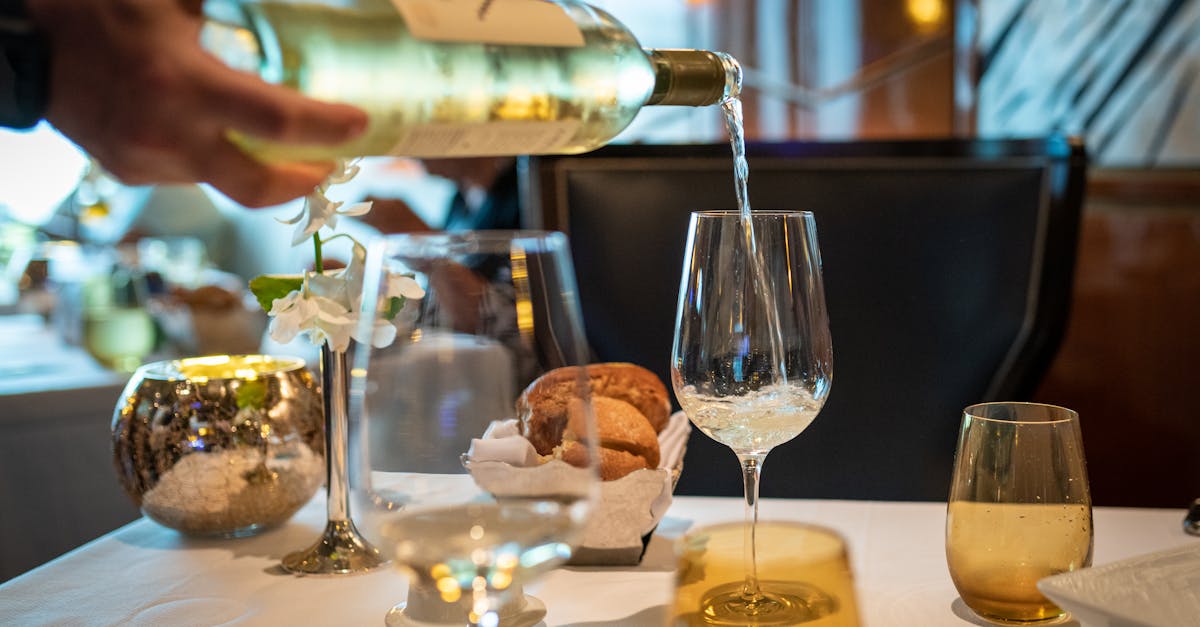
In France, the humble baguette is not merely a side dish but an integral part of the dining ritual, governed by specific unwritten rules that distinguish the seasoned traveler from the novice. Unlike in many other cultures where bread is placed on a separate plate, here it should be torn into bite-sized pieces by hand and placed directly onto your dinner plate or napkin; using a knife to cut it is considered a faux pas. Furthermore, timing is everything: you must wait until the host has picked up their utensils before you begin eating, and even when enjoying a glass of wine, remember that it accompanies the meal rather than preceding it as an appetizer in isolation. The rhythm of the meal is dictated by the pace of conversation and the service, so never rush through your course or ask for items to be brought out separately, as this disrupts the communal flow that French hosts cherish.
Wine etiquette extends beyond simply pouring a glass; it involves understanding the sequence of courses and the appropriate pairings that enhance the flavors of dishes ranging from delicate starters to robust coq au vin. When toasting, known as "tchin-tchin," it is polite to maintain eye contact with each person at the table while clinking glasses, though traditionally one avoids crossing arms with others during the toast to prevent bad luck. If you are unsure about which wine to order, a simple gesture of asking the sommelier for their recommendation based on your chosen main course is always appreciated, and if you find yourself unable to finish a bottle, it is perfectly acceptable to leave a small amount in the glass rather than drinking to the dregs, which can sometimes imply you were too eager to empty the vessel. Ultimately, mastering these nuances transforms a simple dinner into a celebration of French art de vivre, where every gesture and sip contributes to the elegance of the evening.
 This photo was taken by Kenneth on Pexels.
Dining with Grace: The Rules of Coq au Vin
Crafting the perfect Coq au Vin is an art form that transcends mere cooking, demanding a deep respect for tradition and patience. In French gastronomy, this iconic dish of chicken braised in wine with mushrooms, lardons, and pearl onions is not simply dinner; it is a ritual of slow cooking where time is the most essential ingredient. When dining on this delicacy, one must remember that the sauce is the soul of the meal, often requiring a delicate balance of acidity from the Burgundy or Bordeaux used and the richness of the reduction. As you sit down to enjoy this masterpiece, approach it with a sense of reverence, understanding that every bite represents hours of careful preparation intended to bring out the deepest flavors of the countryside.
The etiquette surrounding this hearty stew emphasizes communal sharing and mindful consumption rather than rigid formality. Unlike lighter courses, Coq au Vin invites a more relaxed yet still graceful demeanor, where using your bread to mop up the final traces of the savory wine sauce is not only acceptable but highly encouraged by locals. It is customary to wait until all guests are served before beginning, and if you are fortunate enough to be served at a traditional table, do not rush through the meal; savor each piece of tender meat and the earthy mushrooms alongside your glass of red wine. This dish embodies the French philosophy of "l'art de vivre," reminding us that true dining grace lies in the ability to slow down, connect with companions, and fully appreciate the harmony of flavors crafted over generations.
 This photo was taken by Thiago Oliveira on Pexels.