Hiking the Alps: A Beginner's Guide to Mont Blanc Trails
 This photo was taken by Luka Peric on Pexels.
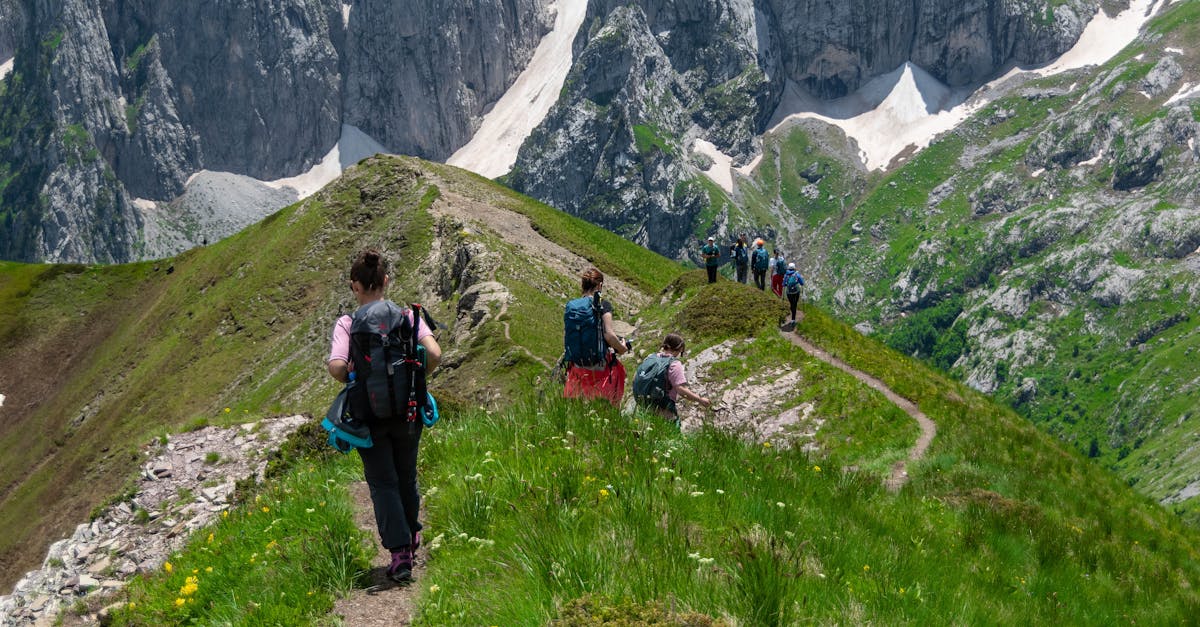
Welcome to the majestic heart of the French Alps, where snow-capped peaks touch the sky and air so crisp it feels like a promise of adventure. As your local guide, I am thrilled to invite you on a journey toward the roof of Europe: Mont Blanc. Whether you are an eager novice or simply dreaming of your first high-altitude trek, this region offers trails that reward perseverance with breathtaking vistas unlike any other. In this beginner's guide, we will walk you through choosing the perfect trail for your first ascent, ensuring you are equipped with the essential gear and safety knowledge needed for high altitude, and sharing how to navigate our charming mountain huts while immersing yourself in the rich local culture. Let us begin this unforgettable expedition together.
Choosing the Right Trail for Your First Ascent
Selecting the perfect starting point for your first ascent in the French Alps is less about conquering a peak and more about finding a path that respects your current fitness level while igniting your sense of adventure. For beginners eyeing the majestic Mont Blanc massif, it is crucial to avoid the technical routes reserved for experienced alpinists and instead focus on well-marked GR (Grande Randonnée) trails like the Tour du Mont Blanc's lower sections or the accessible paths from Chamonix to the Aiguille du Midi via cable car. These routes offer breathtaking panoramic views without requiring specialized climbing gear, allowing you to acclimatize to the altitude gradually while soaking in the unique charm of Alpine villages such as Les Houches or Argentière, where local guides can provide invaluable insights into weather patterns and trail conditions.
Furthermore, choosing the right trail involves understanding the seasonal nuances that define the French mountain experience; summer months from June to September typically offer the most stable weather and snow-free passages, making them ideal for novice hikers eager to explore. When planning your itinerary, prioritize trails that feature regular refuges and clear signage, ensuring you have safe stopping points for rest and hydration as you navigate the rugged terrain. Remember that the beauty of these mountains lies not just in reaching the summit but in the journey itself, so opt for a route that allows ample time to appreciate the vibrant wildflowers, glacial valleys, and the warm hospitality of the French locals who have called this stunning landscape home for generations.
 This photo was taken by Vaidas Vaiciulis on Pexels.
Essential Gear and Safety Tips for High Altitude
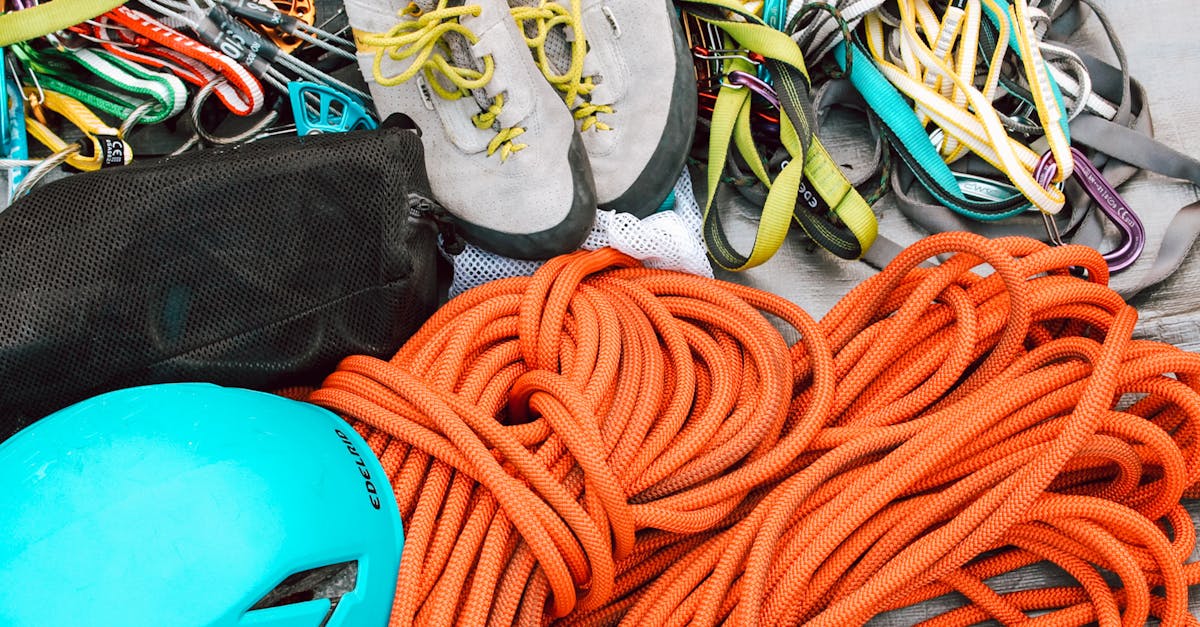
Preparing for the high-altitude trails around Mont Blanc requires more than just sturdy hiking boots; your gear must be versatile enough to handle rapid weather shifts that can turn a sunny morning into a freezing storm within minutes. Essential items include a layered clothing system with moisture-wicking base layers, an insulated mid-layer, and a waterproof, windproof shell jacket to combat the biting alpine winds. Don't forget a reliable pair of sunglasses with UV protection to prevent snow blindness, as the sun's intensity is amplified significantly at these elevations, along with trekking poles for stability on loose scree and steep ascents. A well-stocked daypack should also carry extra water, high-energy snacks, a first-aid kit, and a detailed map or GPS device, as mobile signal coverage can be unreliable in the deep valleys.
Safety on the Mont Blanc massif demands respect for the mountain's unpredictable nature and a keen awareness of altitude sickness symptoms, such as headaches, nausea, and dizziness. It is crucial to acclimatize properly by spending a few days at intermediate altitudes before attempting higher summits, and never attempt to summit alone; always hire a certified local guide who knows the terrain intimately and can navigate crevasses or sudden fog banks. Keep a close watch on the forecast and be prepared to turn back if conditions deteriorate, as the "summit fever" mentality can lead to dangerous situations. Remember that the mountains are not a playground but a serious environment where turning back is often the bravest and safest decision you can make.
 This photo was taken by Gaelyn Salome on Pexels.
Navigating the Mountain Huts and Local Culture
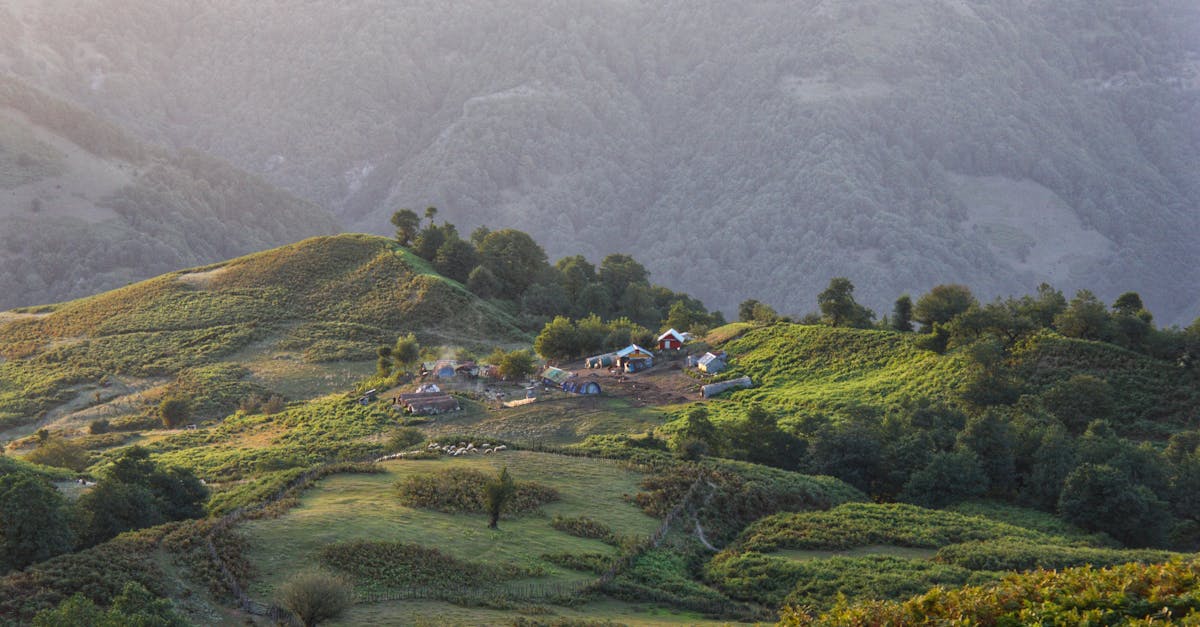
As you ascend the Mont Blanc massif, the journey transforms from a mere physical challenge into an immersive cultural experience centered around the iconic mountain huts. These stone refuges, scattered along the trails like warm beacons in the alpine wilderness, are not just places to sleep but the beating heart of local life where generations of guides and hosts have preserved centuries-old traditions. Whether you are resting at the Gouter Hut or the Tête Rousse, expect to share hearty meals featuring regional specialties like tartiflette and raclette with fellow hikers from around the world, fostering a unique sense of camaraderie that transcends language barriers. Remember to respect the hut etiquette by arriving early for dinner and keeping your boots outside, as these simple gestures honor the hardworking staff who maintain these essential shelters year-round.
Navigating this high-altitude culture requires a deep appreciation for the local customs that govern life in the Alps, blending ancient pastoral rhythms with modern hospitality. The people of Chamonix and surrounding valleys take immense pride in their heritage, often sharing stories about legendary climbers and the history of the region's first ascents while you enjoy your evening coffee. Engaging with locals is encouraged; asking about the best routes, the weather patterns specific to the season, or the history behind a particular peak shows genuine respect and often leads to invaluable advice that no guidebook can provide. By embracing these interactions and adhering to the unspoken rules of the mountains, you become part of the vibrant tapestry of Alpine life, ensuring your hike is not only safe but also deeply enriching and memorable.
 This photo was taken by Pix_world on Pexels.