Hiking the French Alps: A Beginner's Adventure Guide
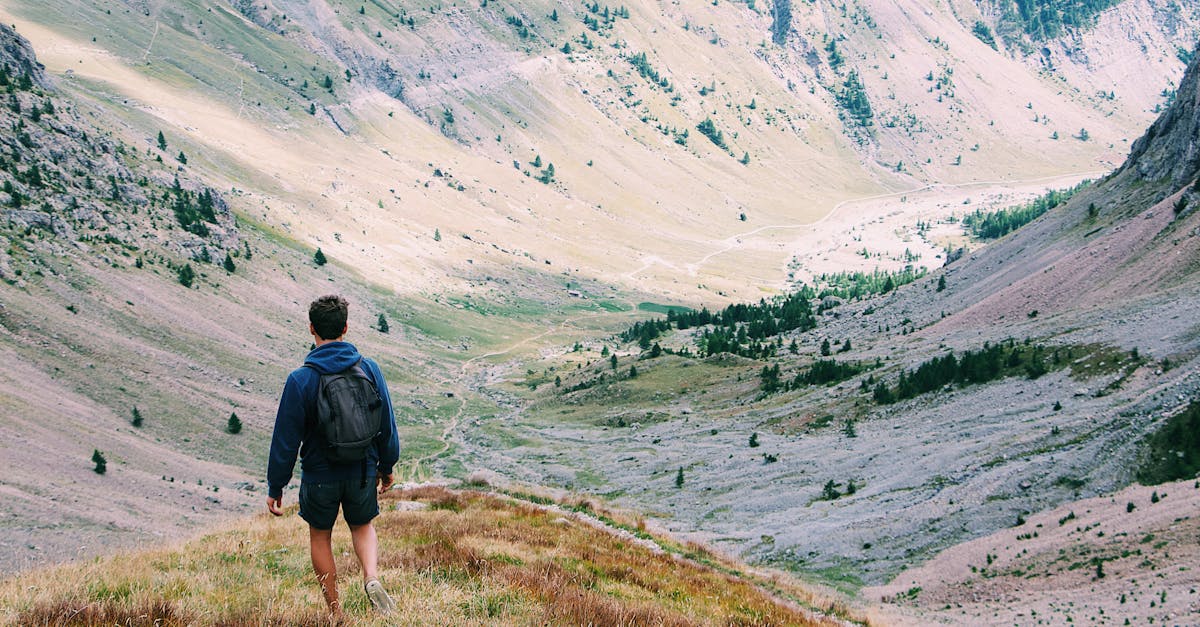 This photo was taken by Maël BALLAND on Pexels.
Welcome, intrepid travelers! There is a unique magic that awaits you in the French Alps, where jagged peaks kiss the sky and pristine valleys whisper tales of ancient glaciers. Whether you are dreaming of the iconic Mont Blanc or seeking hidden gems in the Chamonix valley, this region offers an unparalleled adventure for those ready to lace up their boots. But before you embark on your first high-altitude journey, it is essential to be prepared. In this guide, we will walk you through choosing the perfect trail for your skill level, packing the right gear to ensure your safety, and immersing yourself in the warm, hearty culture that defines life at 2,000 meters. Let's turn your mountain dreams into reality.
Choosing Your First Alpine Trail
Embarking on your first hike in the French Alps is an exhilarating way to immerse yourself in nature, but selecting the right trail is crucial for a safe and enjoyable experience. For beginners, it is best to start with well-marked "Sentiers de Grande Randonnée" (GR) or local blue paths that offer gentle gradients and stunning panoramic views without demanding technical climbing skills. Destinations like the Chamonix valley's Tour du Mont Blanc lower sections or the serene valleys of the Haute-Savoie region provide perfect introductory grounds where you can witness majestic peaks and vibrant wildflowers while enjoying amenities such as mountain huts and clear signage.
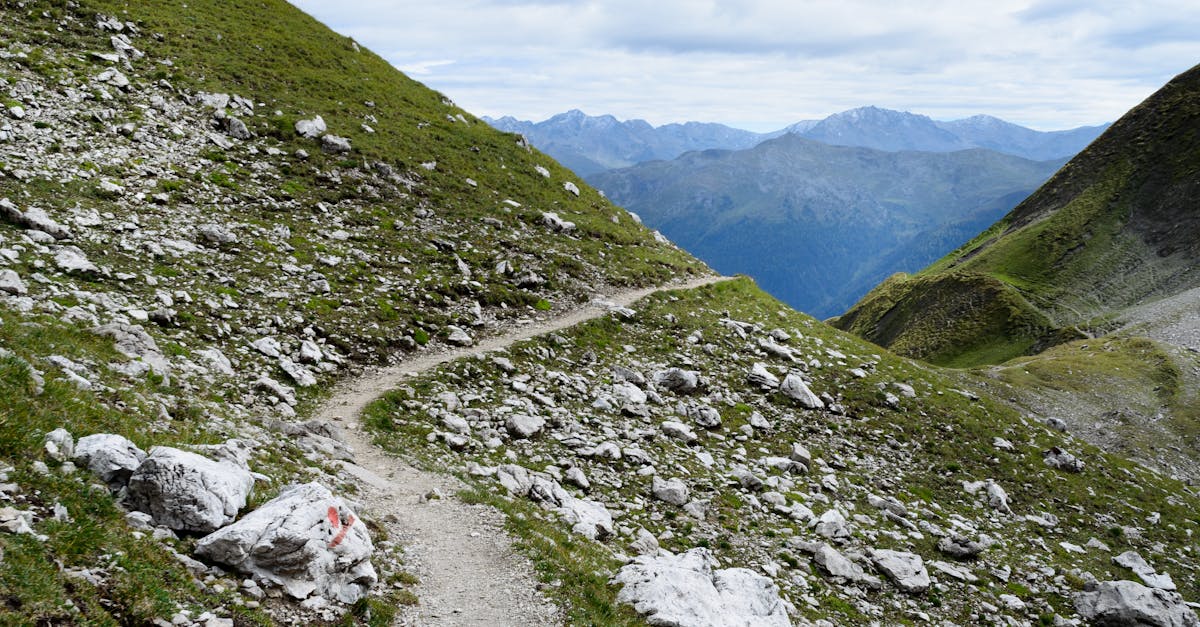
When planning your route, remember that altitude and weather conditions in the Alps can change rapidly, so always check the forecast and choose trails suitable for your fitness level. It is highly recommended to wear sturdy hiking boots, carry plenty of water, and bring layers to adapt to temperature shifts, even on sunny days. By starting with shorter day hikes that take no more than four hours, you will build confidence and endurance, allowing you to gradually tackle more challenging routes as you become familiar with the unique rhythm and beauty of these magnificent mountains.
 This photo was taken by Moritz Böing on Pexels.
Essential Gear and Safety Tips
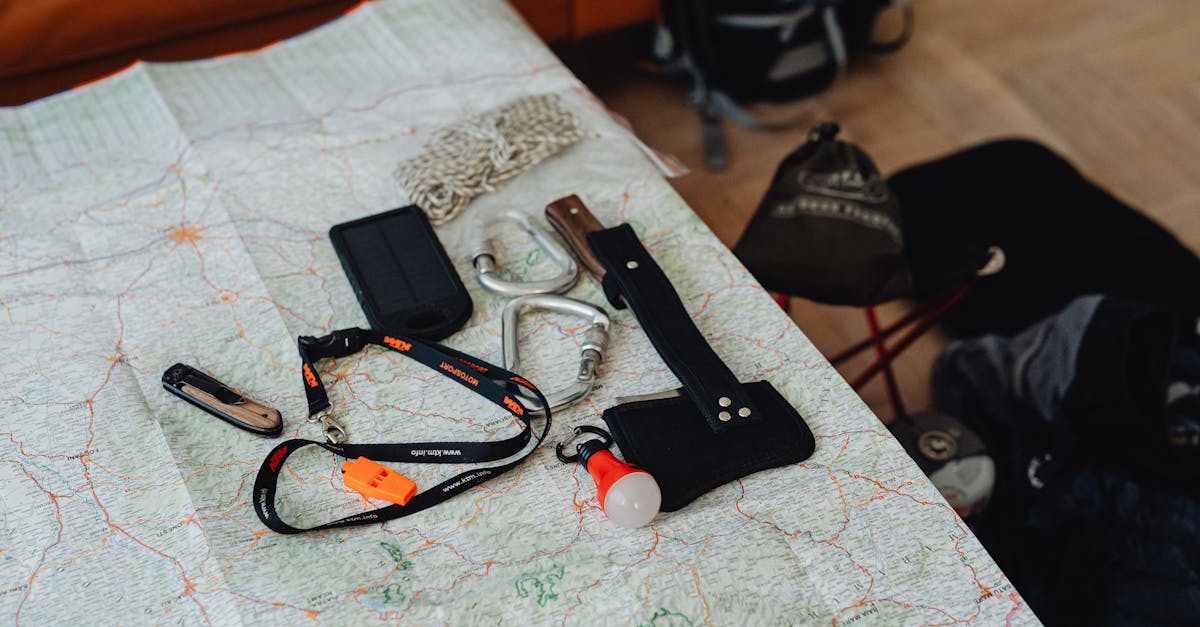
Before you lace up your boots for the French Alps, equipping yourself with the right gear is non-negotiable given the region's rapidly changing weather. Even on a beginner-friendly trail, conditions can shift from sunny warmth to chilly fog within minutes, so layering is key; start with a moisture-wicking base, add an insulating mid-layer like fleece, and top it off with a waterproof and windproof shell jacket. Don't forget sturdy, broken-in hiking boots with good ankle support to navigate rocky terrain, along with a daypack containing at least two liters of water, high-energy snacks, a basic first-aid kit, a detailed physical map or a reliable offline GPS app, and a fully charged power bank for your phone.
Safety in the mountains requires respect for nature and preparedness for emergencies, which means always checking the local weather forecast and mountain refuge status before setting out each morning. It is vital to stay on marked trails, as the Alpine landscape can be deceptively rugged, and inform someone reliable of your planned route and expected return time. If you feel unwell or encounter unexpected difficulties, do not hesitate to turn back; the peaks will always be there another day. Remember that mobile signal can be spotty in deep valleys, so carrying a whistle and knowing how to use emergency numbers (112) are simple yet life-saving precautions every hiker should take seriously.
 This photo was taken by www.kaboompics.com on Pexels.
Embracing the Mountain Culture
Embracing the Mountain Culture
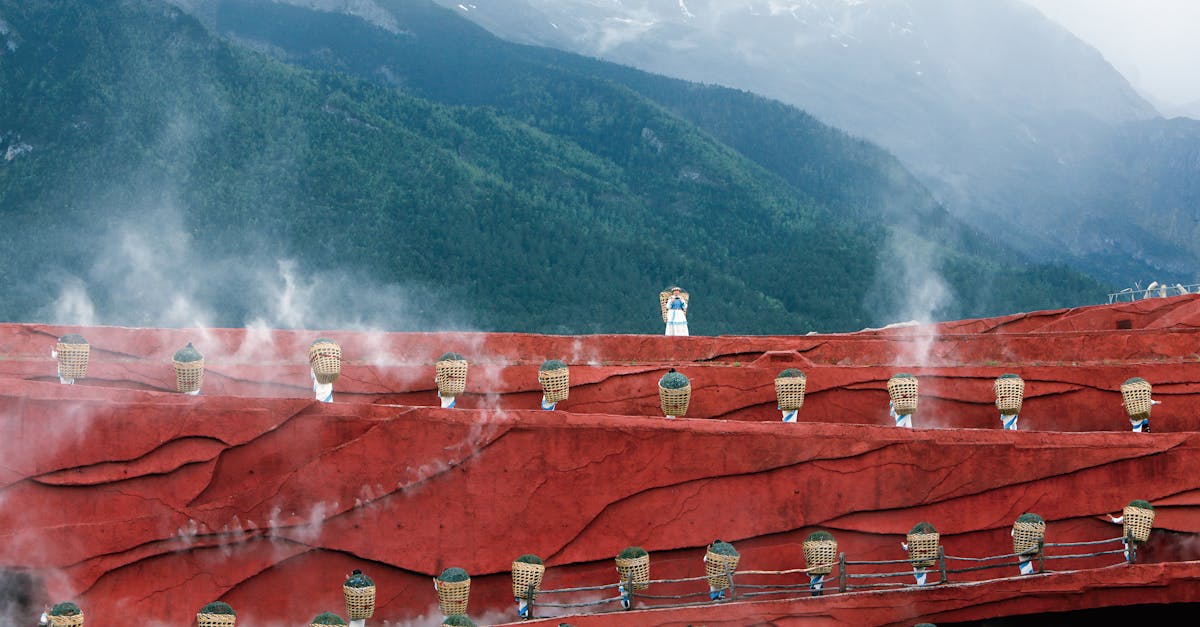
Hiking through the French Alps offers far more than just breathtaking panoramic views; it invites you to immerse yourself in a centuries-old culture deeply rooted in the rhythm of the seasons. As you traverse trails from Chamonix to Annecy, you will encounter traditional alpine villages where stone chalets with wide eaves still shelter families who have tended their pastures for generations. The air is often filled with the rhythmic clanging of cowbells as herders guide their livestock to high-altitude meadows, a practice known as transhumance that has defined mountain life since medieval times. This connection to the land is palpable, creating an atmosphere where nature is not merely a backdrop but a respected partner in daily existence.
To truly embrace this spirit, take time to visit a local "fromagerie" or stop at a mountain hut for a hearty fondue and warm cheese soup, dishes that were once essential sustenance for weary travelers and shepherds alike. Engaging with locals reveals a warm hospitality born of isolation and mutual reliance, where sharing a story over a glass of Savoie wine is as natural as breathing the crisp mountain air. By slowing your pace and respecting these traditions, your beginner's adventure transforms into a meaningful cultural exchange, allowing you to understand why the French call their mountains "les Alpes" rather than just a destination for sport, but a living heritage that continues to thrive today.
 This photo was taken by Franklin David on Pexels.