History Buffs' Dream: Walking the Streets of Mont Saint-Michel
 This photo was taken by Jean-Paul Wettstein on Pexels.
Welcome, fellow travelers, to one of France's most breathtaking treasures: Mont Saint-Michel. Rising majestically from the churning tides of the Normandy coast, this tidal island is not merely a visual marvel but a living chronicle of human history. For those with a passion for the past, wandering its narrow, cobbled pathways offers an immersive journey through time, where every stone whispers tales of monastic devotion, royal intrigue, and enduring survival. In this post, we invite you to explore the Abbey's millennium-long evolution, navigate the medieval labyrinth of streets that defy gravity, and discover how this sacred site transformed from a place of imprisonment to a beacon of pilgrimage, embodying a legacy of resilience that has captivated visitors for centuries.
The Abbey's Millennium-Long Evolution
Stepping onto the tidal island of Mont Saint-Michel, you are not merely visiting a monument but walking through a living chronicle that spans over a thousand years. What began in 966 AD as a humble hermitage on a rocky islet has transformed into a breathtaking fusion of Romanesque and Gothic architecture, a testament to the relentless ambition of medieval builders who defied the tides to create their spiritual fortress. As you ascend the narrow, winding streets, every stone whispers tales of shifting power dynamics, from its origins as a pilgrimage site for St. Michael to its dramatic repurposing as a formidable prison during the French Revolution, where cells once carved into the rock now echo with the ghosts of political dissidents.
The abbey's evolution is most visible in the way it layers history upon itself, creating a unique palimpsest of eras that defines the French landscape today. The lower levels still bear the scars of military sieges and defensive adaptations, while the soaring spires of the church reflect the pinnacle of Flamboyant Gothic artistry added centuries later. This millennium-long journey from a simple sanctuary to a UNESCO World Heritage site and eventually a restored cultural icon illustrates the resilience of human spirit; today, as you wander past the ancient ramparts, you can almost feel the pulse of history, making Mont Saint-Michel an indispensable destination for any traveler seeking to understand the deep roots of French heritage.
 This photo was taken by Clarissa Roley on Pexels.
Navigating the Medieval Labyrinth of Streets
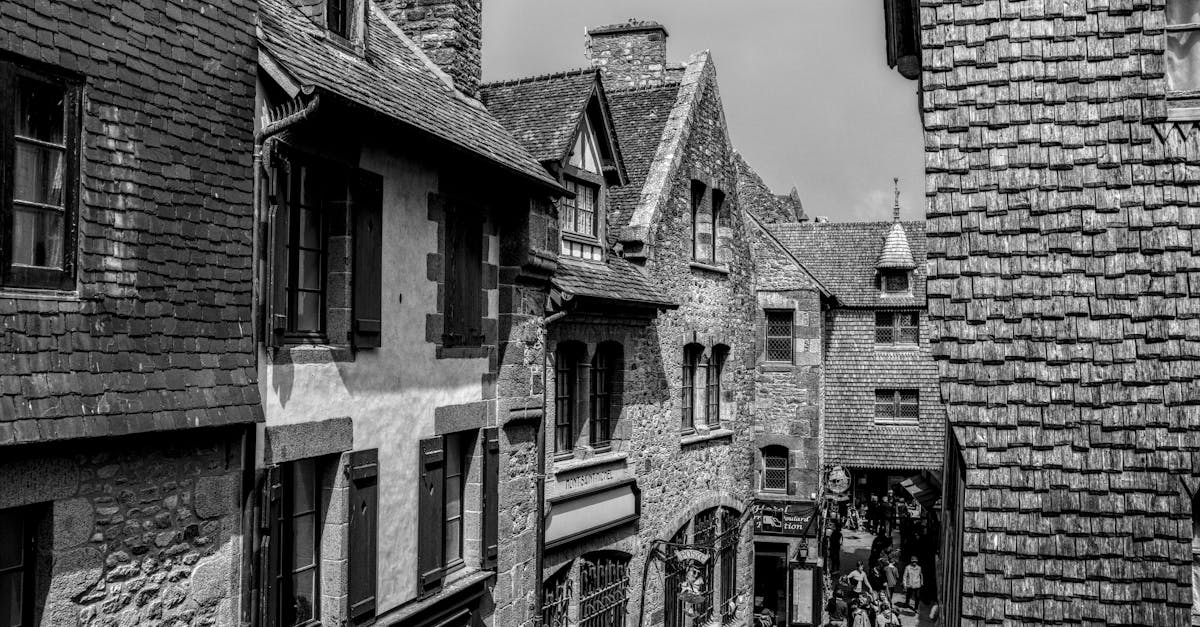
Stepping onto the tidal island of Mont Saint-Michel feels less like entering a city and more like walking into a living, breathing history book where time seems to have paused in the 14th century. The streets here are not laid out on a grid but wind organically through the medieval labyrinth, flanked by towering stone walls that whisper tales of sieges and monastic life. As you navigate these narrow, cobblestone alleys, you will find yourself constantly craning your neck to admire the intricate Gothic arches and flying buttresses that seem to defy gravity, while the scent of fresh bread from local bakeries mingles with the salty sea air, creating an atmosphere that is both timeless and enchanting.
Getting lost within this vertical village is part of the charm, as every turn reveals a hidden courtyard, a centuries-old fountain, or a quiet shop selling traditional Breton crafts. Unlike modern cities where GPS can guide you effortlessly, here the only true compass is your curiosity; follow the sound of the abbey bells or the flow of pilgrims to discover secret viewpoints where the bay stretches out in a shimmering expanse. Whether you are tracing the footsteps of ancient monks or simply marveling at how a fortress was built upon such a precarious rock, the winding paths invite you to slow down and immerse yourself fully in the architectural grandeur that has captivated visitors for over a millennium.
 This photo was taken by Vish Pix on Pexels.
From Prison to Pilgrimage: A Legacy of Resilience
From Prison to Pilgrimage: A Legacy of Resilience
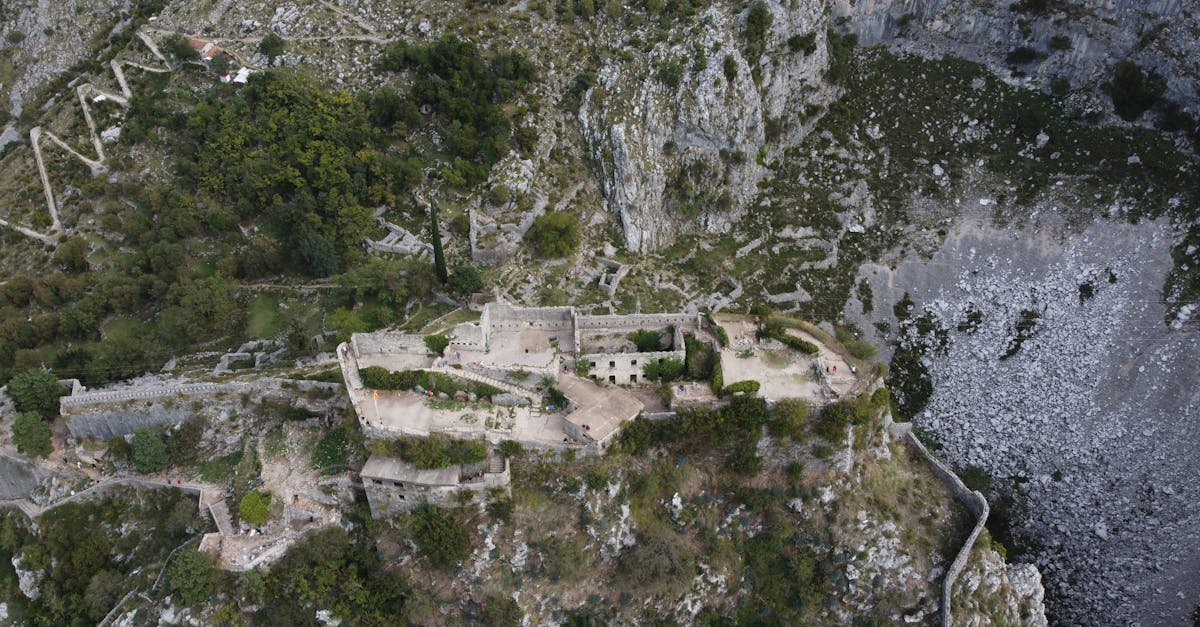
The island's history is a dramatic tapestry woven from threads of faith, imprisonment, and eventual liberation, making it a profound destination for those who seek more than just scenic beauty. For centuries, Mont Saint-Michel served as a formidable fortress and a sacred abbey where monks prayed in silence, but its isolation also made it an ideal site for political prisoners during the turbulent eras of French history. The very stones that echo with the chants of pilgrims once confined the most dangerous inmates of the state, turning the abbey into a stark contrast between spiritual devotion and earthly punishment. This duality adds a haunting layer to your visit, inviting you to walk the same corridors where hope was tested against the relentless tides, offering a tangible connection to the resilience of the human spirit.
Today, this legacy has been transformed into a symbol of redemption and unity, as the prison cells were closed in 1863 and the site was restored to its original glory as one of France's most cherished pilgrimage destinations. Walking through the narrow, cobbled streets now feels like traversing a timeline where darkness gave way to light, with the iconic silhouette of the abbery rising majestically above the bay as a beacon of peace. Whether you are tracing the footsteps of medieval travelers or reflecting on the stories of former detainees, the atmosphere here is charged with a unique energy that honors both the suffering endured and the triumph of culture over adversity, cementing Mont Saint-Michel's status as a true monument to resilience.
 This photo was taken by Julien Goettelmann on Pexels.