Mastering French Etiquette: Do's and Don'ts for Tourists
 This photo was taken by Mathias Reding on Pexels.
The Golden Rule of Greetings: 'Bonjour' and Beyond
In France, the simple act of saying "Bonjour" is far more than a casual hello; it is the golden key that unlocks courtesy and respect in any interaction. Whether you are stepping into a boutique, ordering coffee at a bustling café, or asking for directions on a Parisian street, starting your conversation with a polite greeting is non-negotiable. Skipping this step can be perceived as rude or demanding, often resulting in cold responses or being ignored entirely. The rule is strict: always acknowledge the person before making your request, using "Bonjour" during the day and "Bonsoir" in the evening to show you have taken the time to observe social norms.
Moving beyond the initial greeting, mastering French etiquette involves understanding the rhythm of politeness throughout your stay. After your "Bonjour," it is customary to address people with formal titles like "Monsieur" or "Madame" until invited to use first names, even in informal settings like markets or taxis. This linguistic distance signals respect for their personal space and dignity. Furthermore, never rush to leave a shop or restaurant without a concluding "Merci" and "Au revoir." By weaving these phrases naturally into your daily exchanges, you demonstrate cultural sensitivity that locals appreciate deeply, transforming a standard tourist visit into a warm, respectful connection with the local community.
 This photo was taken by Erik Mclean on Pexels.
Dining Decoded: Table Manners and Tipping Culture
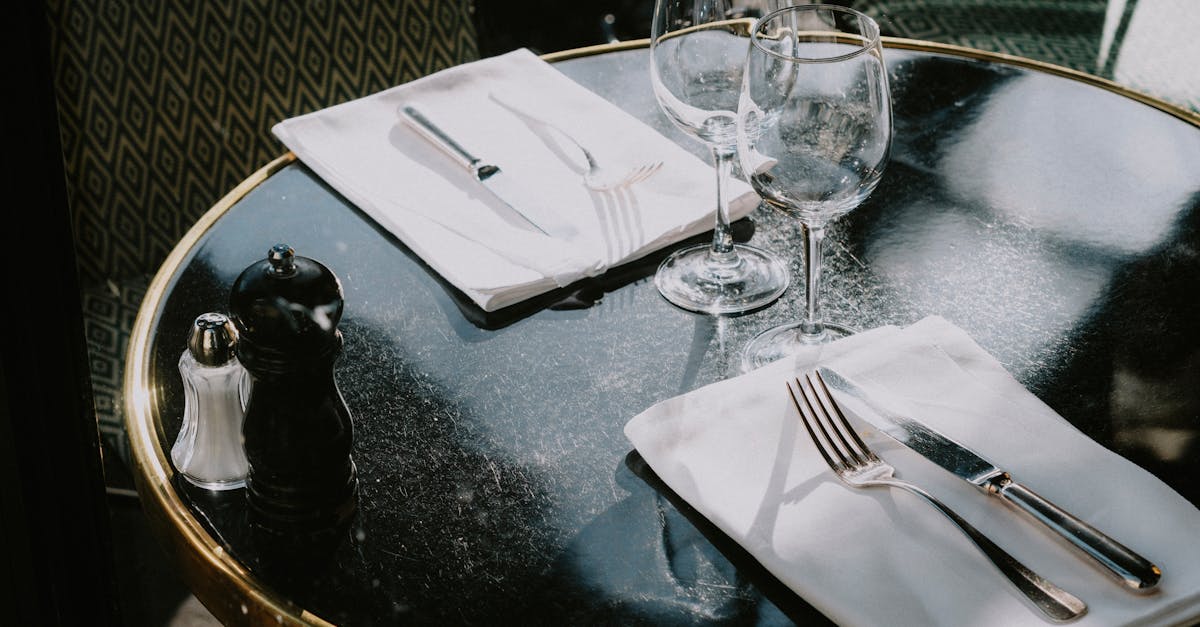
Navigating the French dining table begins with a simple yet crucial rule: keep your hands visible, resting lightly on the edge of the table rather than in your lap. While Americans might instinctively finish their plate to show appreciation for the chef, in France, leaving a small amount of food indicates you are satisfied and have been served an adequate portion; finishing everything can sometimes imply you were still hungry. Furthermore, never start eating until everyone at your table has been served and the host says "Bon appétit," and remember that bread is placed directly on the tablecloth next to your plate, not on a side dish, serving as both a utensil to scoop up sauces and a palate cleanser between courses.
When it comes to tipping, often referred to locally as "le pourboire," the culture differs significantly from North American expectations because service charges are legally included in your bill by law. Consequently, there is no obligation to leave a substantial percentage like 20%; instead, tipping is a voluntary gesture of genuine satisfaction. If the service was exceptional, you might round up the bill or leave a few euros in cash on the table before departing, but do not feel pressured to calculate a complex tip on the credit card machine. Simply put, a polite smile and a warm "Merci beaucoup" go a long way, while a modest cash tip is the perfect way to acknowledge excellent hospitality without adhering to rigid percentages.
 This photo was taken by Thiago Oliveira on Pexels.
Respecting Local Customs: Shopping, Queues, and Quiet Hours
When exploring France's vibrant markets and charming boutiques, the golden rule is to always greet shopkeepers with a polite "Bonjour" or "Bonsoir" before initiating any conversation or making a purchase; skipping this simple courtesy can be perceived as rude and may result in less enthusiastic service. While queuing for everything from museum tickets to bakery counters is standard practice, remember that personal space is highly valued, so avoid cutting in line or standing too close to others. Additionally, French shoppers appreciate a calm demeanor, so it is best to keep conversations quiet and avoid loud phone calls within retail spaces, allowing you to immerse yourself in the sophisticated atmosphere of local commerce.
Respecting local rhythms extends beyond shopping into the daily life of neighborhoods, particularly regarding noise levels during designated quiet hours known as "heures de calme," which typically run from late evening until early morning. In residential areas and even some tourist accommodations, playing music loudly, shouting, or engaging in raucous celebrations after 10 PM is frowned upon and can lead to complaints from neighbors who value their rest. By keeping your voice down on public transport, avoiding noisy activities in apartment buildings, and adhering to these unwritten rules of silence, you demonstrate a deep appreciation for French culture and ensure a harmonious stay for both visitors and locals alike.
 This photo was taken by Kavindu Kaushalya Perera on Pexels.