Navigating French Trains: A Beginner's Guide to SNCF
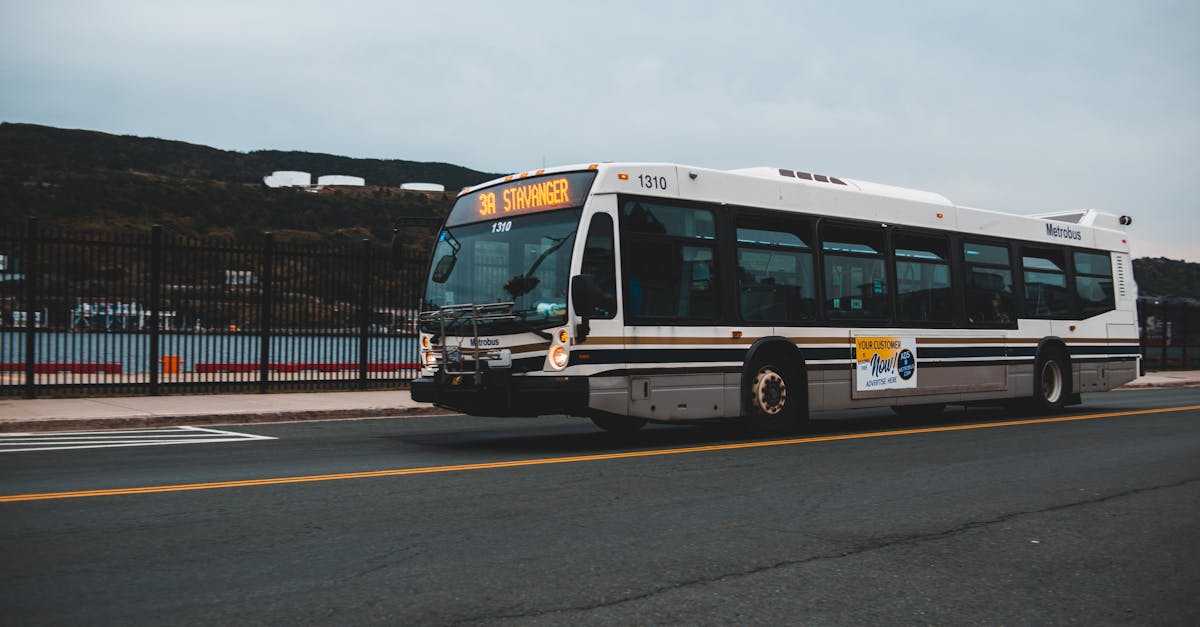 This photo was taken by Erik Mclean on Pexels.
Welcome to the heart of French travel! Whether you are dreaming of sipping espresso in Paris, exploring the lavender fields of Provence, or wandering through the historic streets of Lyon, the SNCF rail network is your golden ticket to discovering them all. Yet, for first-time visitors, navigating the French train system can sometimes feel like deciphering a complex map without a compass. Fear not, dear traveler! In this guide, we will demystify the SNCF ticketing system, help you choose between the high-speed TGV and the regional TER trains, and share essential onboard etiquette to ensure your journey is as smooth as a perfectly poured glass of Bordeaux. Get ready to embrace the freedom of the rails with confidence.
Understanding the SNCF Ticketing System
Understanding the SNCF ticketing system is your first step toward mastering travel across France, as it offers a seamless blend of high-speed TGV services and regional TER trains accessible through a single digital ecosystem. The most efficient way to purchase tickets is via the official SNCF Connect app or website, where you can easily filter results by price, duration, and transfer requirements; booking in advance often unlocks significant savings, with fares for popular routes fluctuating dynamically much like airline tickets. While physical ticket offices still exist at major stations, they are increasingly reserved for complex inquiries, making the mobile platform the preferred choice for most travelers seeking real-time updates on platform changes and delays.
Once you have secured your reservation, remember that unlike some other European systems, French train tickets are generally non-refundable unless you purchased a flexible fare option, though they can be exchanged for a different time slot up to two hours before departure for a small fee. It is crucial to validate your paper tickets using the green or yellow machines located on station platforms if you have not already done so digitally, as traveling without a validated ticket can result in heavy fines during random onboard inspections. Whether you are hopping from Paris to Lyon or exploring the scenic countryside of Provence, familiarizing yourself with these rules ensures a stress-free journey through the heart of France.
 This photo was taken by Kassandre Pedro on Pexels.
Choosing Your Train: TGV vs. TER Explained
 This photo was taken by Pixabay on Pexels.
Onboard Etiquette and Essential Travel Tips
Once you step aboard a French train, remember that courtesy is the unwritten currency of travel here. While TGVs and regional TER trains are generally efficient, maintaining a quiet atmosphere is highly valued; keep your voice low on calls, mute your devices when watching videos, and avoid loud conversations, especially during peak commuting hours. Be mindful of luggage placement by storing large suitcases in the overhead racks or designated areas at the end of carriages to ensure aisles remain clear for everyone, and always have your ticket ready before the conductor approaches, as they frequently check tickets even if you have a mobile pass.
Before boarding, it is essential to verify your platform number, which can sometimes change unexpectedly just minutes before departure, so keep an eye on the digital displays rather than relying solely on your initial schedule. Arrive at least 15 to 20 minutes early to allow time for navigating often large stations like Gare du Nord or Lyon Part-Dieu without stress. Additionally, be prepared for limited Wi-Fi connectivity on older regional lines and consider downloading offline maps or entertainment beforehand, while keeping small change handy for purchasing snacks from the onboard bar car or station kiosks where credit card terminals occasionally face glitches.
 This photo was taken by K on Pexels.