Navigating the French Metro: A Tourist's Survival Guide
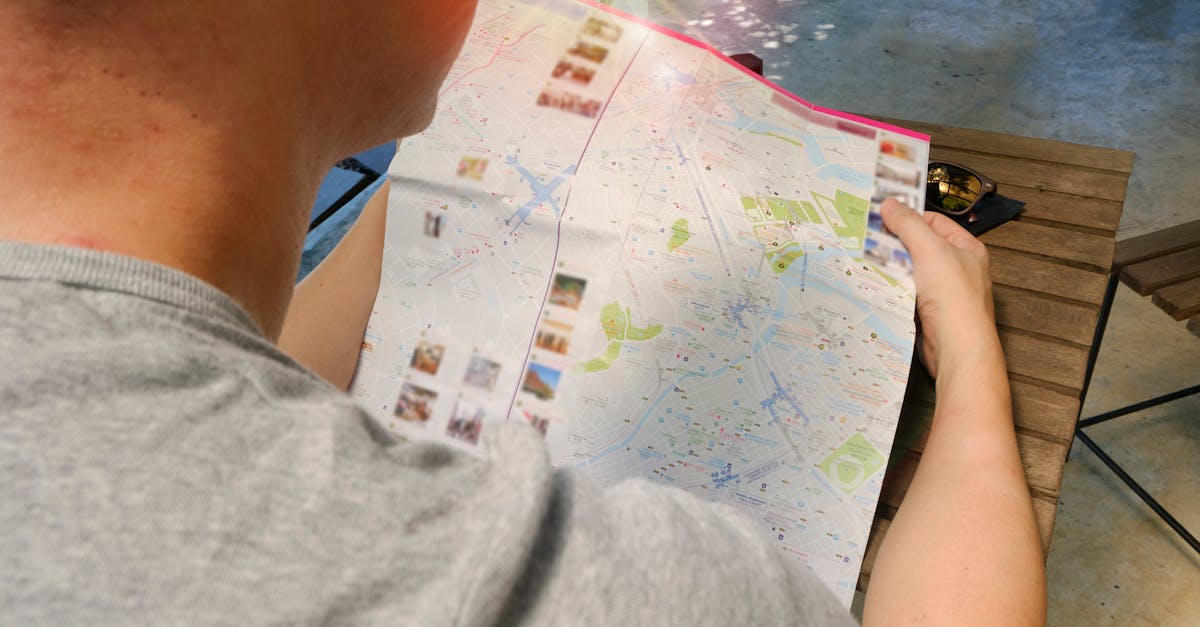 This photo was taken by Porapak Apichodilok on Pexels.
Welcome to the beating heart of Paris, where history and modernity collide on every corner. For any traveler eager to explore the City of Light, the Métro is not just a mode of transport; it is an essential artery that connects you to world-class museums, charming neighborhoods, and iconic landmarks with unmatched speed and efficiency. However, for first-time visitors, the sprawling network can sometimes feel like a labyrinth filled with unwritten rules and hidden traps. Fear not! This guide is designed to demystify the system, ensuring your journey through France's capital is as seamless as it is memorable. From mastering the Navigo Pass and selecting the right ticket types to avoiding common pitfalls and scams, we will equip you with the knowledge you need. We will also cover the essential etiquette that keeps the trains running smoothly, helping you blend in like a local from day one. Let's dive in and make your French adventure truly unforgettable.
Mastering the Navigo Pass and Ticket Types
Unlocking the secrets of Parisian public transport begins with understanding the Navigo pass system, which has revolutionized travel for both locals and visitors. While the classic weekly Navigo Easy card requires a specific photo and activation window from Monday to Sunday, tourists often find the "Navigo Découverte" card or the simpler "Mobilis" day passes more flexible for irregular itineraries. The Navigo Découverte is particularly popular as it offers unlimited travel across all zones (1-5) for a full week at a fixed price, provided you attach a passport-sized photo and write your name on it; this is ideal if your stay spans a complete work week. For those staying only a few days, the Mobilis pass serves as an excellent alternative, granting 24-hour access to any combination of zones without the need for a photo, allowing you to hop between the city center and distant attractions like Versailles with ease.
Once you have selected your ticket type, mastering the physical validation process is crucial to avoid fines from the vigilant ticket inspectors who frequently patrol the stations. Whether using a paper ticket, a Navigo card, or a mobile app, you must tap or insert your ticket into the yellow validator located at the station entrance before crossing the turnstiles; remember that once validated, a single-use ticket cannot be reused, while contactless cards remain active until the end of their purchased period. It is also important to note that zone selection dictates your destination: a standard Zone 1-2 ticket keeps you within the historic city center, but trips to major landmarks outside the perimeter, such as the Palace of Versailles or Charles de Gaulle Airport, require tickets covering Zones 1-5. By carefully planning your zones and validating correctly, you can navigate the extensive RATP network confidently, turning what might seem like a chaotic maze into a seamless journey through the heart of France.
 This photo was taken by Gustavo Fring on Pexels.
Avoiding Common Pitfalls and Scams
One of the most frequent pitfalls for visitors in Paris is falling victim to distraction scams near major metro hubs like Châtelet or Gare du Nord. Be wary of strangers who approach you with petitions, bracelets, or "free" gifts; these are often tactics designed to lower your guard while an accomplice picks your pocket. Always keep your belongings zipped and close to your body, and never hand over your wallet or phone to anyone asking for a signature or a donation. Additionally, be cautious when purchasing tickets from unauthorized vendors on the street, as they may sell counterfeit passes that will get you fined by inspectors rather than providing valid transport.
Navigating the ticket validation machines can also lead to unnecessary fines if you are not vigilant about the specific rules. Remember that you must validate your paper ticket every time you enter a station, even if you have already done so earlier in the day; failing to do so results in a heavy on-the-spot fine from the conductors. Furthermore, avoid standing too close to the edge of the platform or blocking the doors, as this is considered rude and can cause delays. By staying alert to your surroundings and respecting local etiquette, you can ensure a smooth and safe journey through the city's extensive underground network.
 This photo was taken by Ann H on Pexels.
Essential Etiquette for a Smooth Ride
When stepping onto the Parisian metro, remember that efficiency is deeply intertwined with politeness. Always allow passengers to exit the carriage before you attempt to board; pushing forward is considered highly rude and disrupts the flow of this bustling network. Furthermore, keep your voice low on trains and avoid making loud phone calls, as quietness is a cherished social norm in French public transport. If you are carrying a large backpack or an umbrella, please hold it against your body or place it at your feet rather than occupying a seat or blocking the aisle, ensuring everyone has comfortable space during their commute.
Greeting staff and fellow travelers is another crucial element of navigating the system smoothly. A simple "Bonjour" (good day) or "Bonsoir" (good evening) when approaching a ticket validator or speaking to a conductor can make all the difference in how your interaction unfolds. Never skip this greeting, as omitting it is often interpreted as a lack of respect. Additionally, be prepared to validate your ticket immediately upon entering the platform if required, as random inspections are common and fines for traveling without a validated pass are strictly enforced. By adhering to these unspoken rules, you not only ensure a pleasant journey but also show appreciation for the local culture.
 This photo was taken by Sen Sen on Pexels.