Normandy's D-Day Beaches: A Historical Reflection
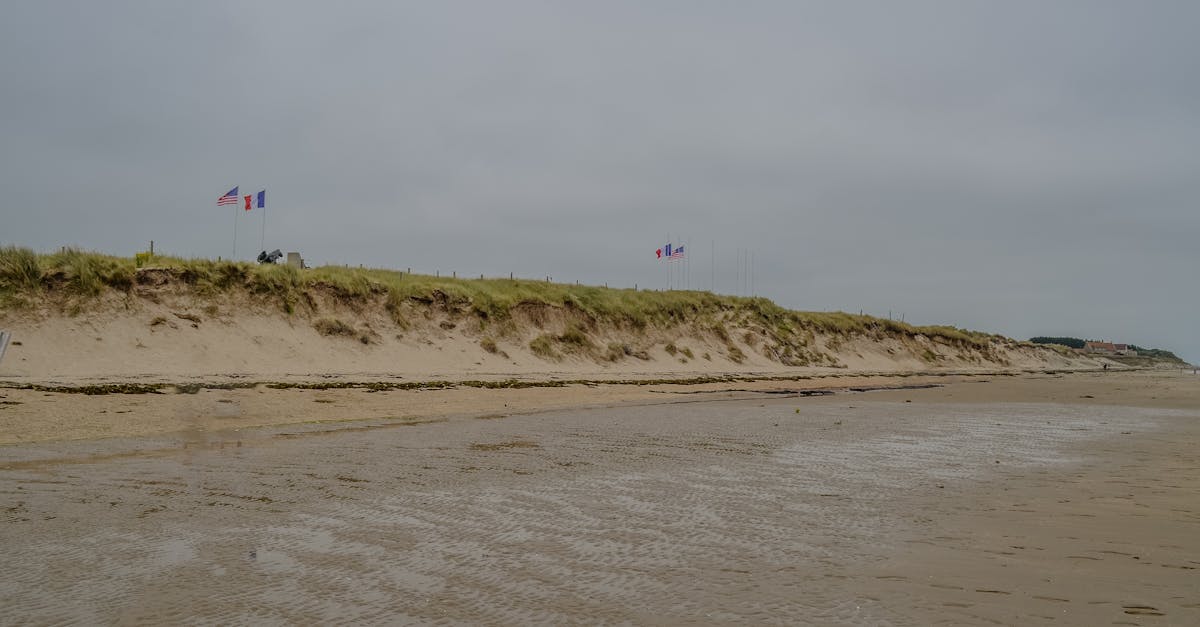 This photo was taken by Hub JACQU on Pexels.
Welcome to the rolling landscapes of Normandy, where the golden sands and dramatic cliffs hold stories that resonate across generations. As we embark on a journey through this region's D-Day beaches, we step into a place where history is not merely recorded in books but etched into the very soil beneath our feet. From the harrowing experiences at Omaha Beach to the heroic ascent of Pointe du Hoc, this reflection invites you to pause, remember, and honor the courage of those who shaped the course of World War II. Join me as we walk through these memorial landscapes, finding solace in remembrance and understanding the profound weight of peace.
The Weight of History at Omaha Beach
Walking along the golden sands of Omaha Beach today, one is immediately struck by the profound silence that contrasts sharply with the chaos of June 6, 1944. As a guide who has led countless groups through this hallowed ground, I often pause at the water's edge to let visitors feel the weight of history pressing against their feet; here, where thousands of American soldiers faced relentless machine-gun fire and fortified cliffs, the landscape itself tells a story of courage and sacrifice. The imposing concrete bunkers of the German Atlantic Wall still stand as silent sentinels, their weathered surfaces serving as stark reminders of the brutal engineering and human cost involved in the Allied invasion, while the gentle lapping of waves offers a moment for reflection on the young lives that were lost to secure freedom for Europe.
Beyond the physical remnants of war, the atmosphere at Omaha Beach carries an emotional gravity that resonates deeply with every visitor from around the world. It is not merely a site of military strategy but a testament to the resilience of the human spirit, where the memory of the "Dusties" and other brave souls who stormed these shores is kept alive through the meticulously maintained American Cemetery nearby and the poignant exhibits within the local museums. For those seeking to understand France's role in the liberation of Europe, standing here provides a unique perspective on how a single day of fighting reshaped the geopolitical map and forged enduring alliances, making it an essential pilgrimage for anyone wishing to honor the past while appreciating the peace we enjoy today.
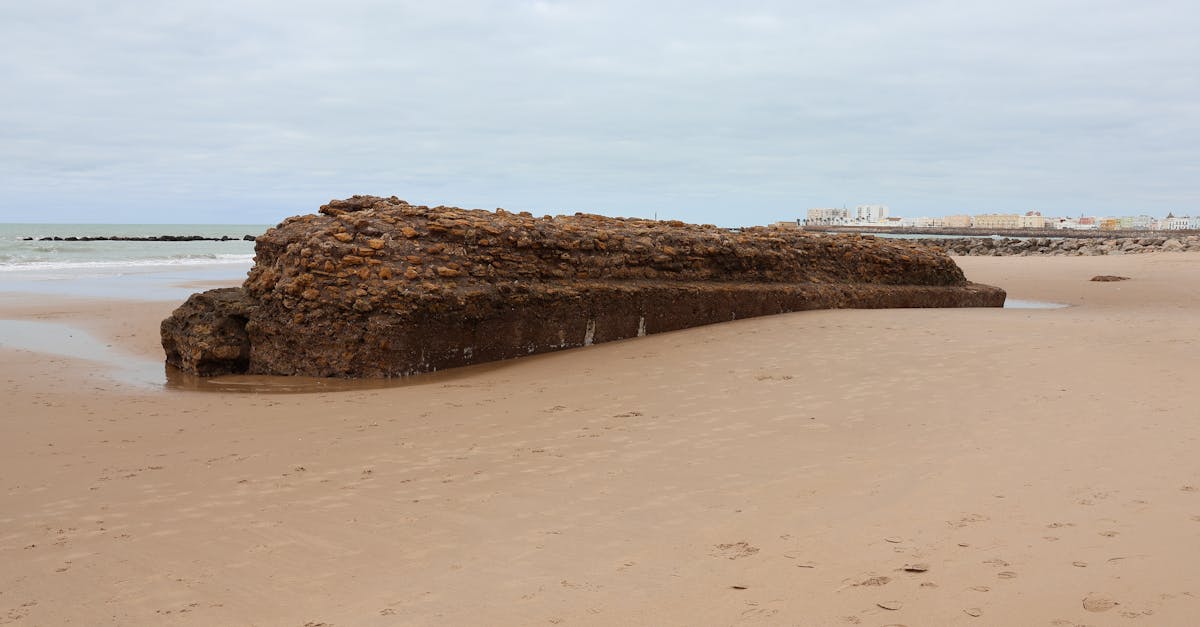 This photo was taken by Antonio Garcia Prats on Pexels.
Honoring the Fallen at Pointe du Hoc
Perched dramatically atop the chalk cliffs of the Cotentin Peninsula, Pointe du Hoc stands as a somber testament to one of D-Day's most perilous assaults. On June 6, 1944, U.S. Army Rangers scaled these sheer vertical faces under heavy German fire to neutralize artillery batteries that threatened the invasion beaches below. Today, visitors are greeted not by the roar of battle, but by the haunting silence of the landscape, where the jagged edges of the cliffs and the remnants of concrete bunkers serve as a stark reminder of the courage and sacrifice required to liberate Europe. Walking through the preserved ruins, one can almost hear the echoes of history, feeling the weight of the young soldiers who fought here with nothing but determination against overwhelming odds.The memorial at Pointe du Hoc is more than just a collection of historical artifacts; it is a sacred space for reflection and remembrance dedicated to those who gave their lives. Scattered across the grounds are the names of the fallen inscribed on stone markers, inviting travelers to pause and honor the individual stories behind the statistics of war. As you stand amidst the grassy slopes overlooking the English Channel, the site encourages a deep emotional connection to the past, reminding us that the freedom enjoyed today was purchased with immense blood and tears. It is a place where the boundary between the living and the dead seems to blur, urging every visitor to carry forward the lessons of bravery and the enduring hope for peace. This photo was taken by the Amritdev on Pexels.
A Journey Through Normandy's Memorial Landscapes
Embarking on a journey through Normandy's memorial landscapes is an emotionally profound experience that transcends the typical tourist itinerary, inviting visitors to walk in the footsteps of history along the very shores where the tide turned for World War II. From the solemn silence of Omaha Beach, where the rugged cliffs still bear witness to the fierce landing of June 6, 1944, to the meticulously maintained American Cemetery at Colleville-sur-Mer, every step offers a tangible connection to the courage and sacrifice of the Allied forces. The landscape itself tells a story, with preserved bunkers, artillery emplacements, and the iconic Pointe du Hoc standing as silent sentinels against the English Channel, reminding us that this coastline was once the most dangerous place on Earth.
As you traverse these hallowed grounds, the narrative expands beyond the beaches to include the vibrant memorials dedicated to the diverse nations that fought together, such as the British Memorial at Arromanches or the Canadian war cemetery at Bretteville-sur-Laize. These sites are not merely places of remembrance but active centers of education and reflection, where guided tours and personal stories from veterans and their families bring the historical statistics to life. Walking through the rolling green fields dotted with white crosses and the vast expanse of the Bayeux Tapestry museum, travelers gain a deeper appreciation for the cost of freedom and the enduring peace that followed, making a visit to Normandy a deeply moving pilgrimage for any traveler seeking to understand the true weight of history.
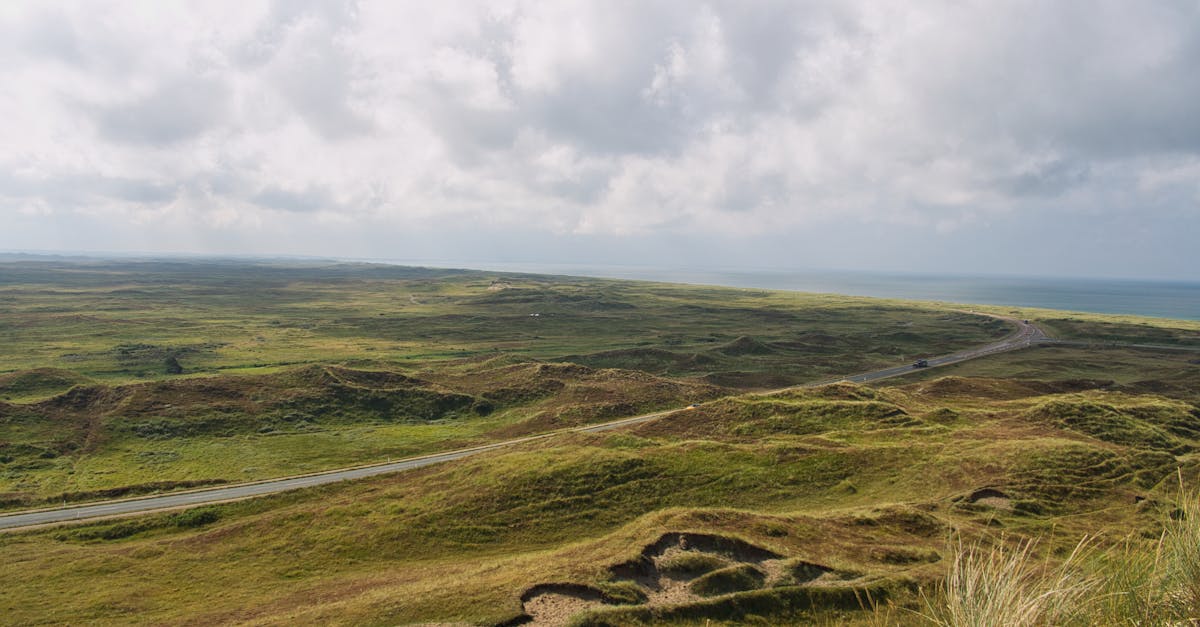 This photo was taken by Christian Himmel on Pexels.