Normandy's History: From D-Day Beaches to Bayeux Tapestry
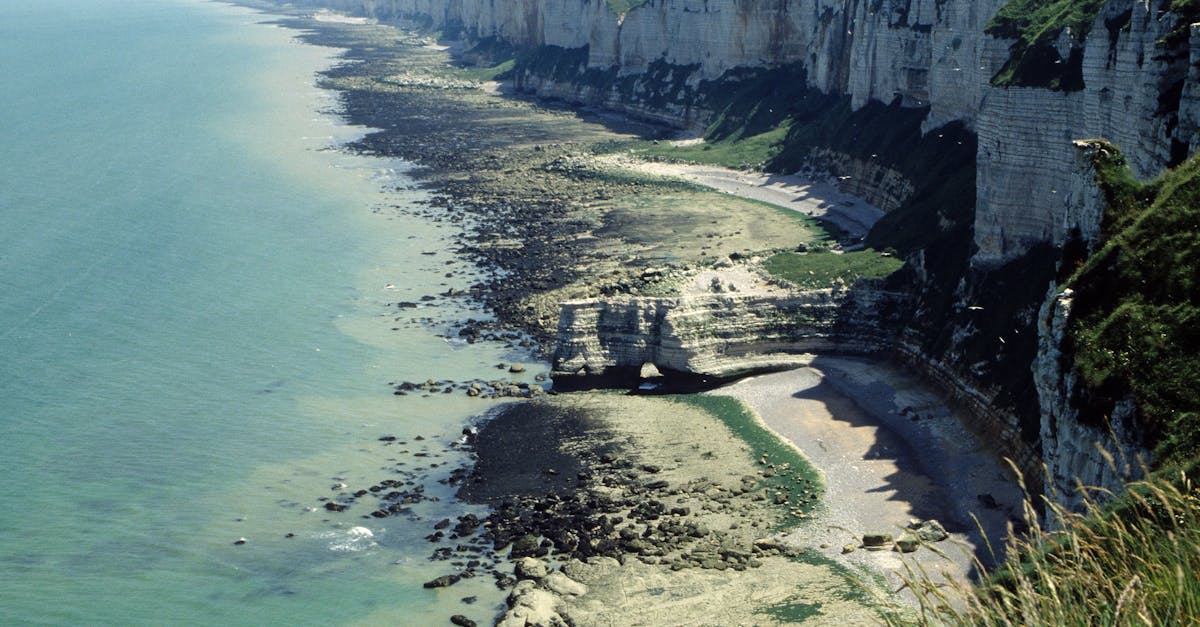 This photo was taken by PHILIPPE SERRAND on Pexels.
Welcome to the heart of France's most poignant chapter, where the rolling hills of Normandy whisper tales of both ancient conquest and modern liberation. As your guide through this remarkable region, I invite you to step back in time to a landscape that has witnessed some of the most defining moments in human history. From the somber silence of the D-Day beaches, where Allied forces changed the course of World War II, to the vibrant medieval streets of Bayeux, we will explore a heritage that is as rich as it is emotional. Join me on this journey as we walk the historic paths of our ancestors and unravel the secrets hidden within the 70-meter masterpiece known as the Bayeux Tapestry, a visual story that has captivated the world for nearly a thousand years.
The Unforgettable Landings: A Journey Through D-Day Beaches
Stepping onto the sands of Omaha, Gold, Juno, Sword, and Utah beaches is a profoundly moving experience that transports visitors back to June 6, 1944. Today, these shores are lined with serene memorials, American cemeteries standing in solemn rows against the grey sky, and museums like the D-Day Museum in Arromanches that vividly reconstruct the chaos and heroism of the Allied invasion. As you walk along the promenade where history was made, the contrast between the peaceful Normandy coastline and the memory of the "Longest Day" creates a powerful emotional resonance, inviting reflection on the immense sacrifice required for freedom.
Beyond the physical landscapes, the journey through these beaches offers an intimate connection to the human stories behind the headlines. Guided tours often lead travelers to hidden bunkers, artillery positions, and the recreated Mulberry Harbour, allowing you to visualize the logistical miracle that supported the liberation of Europe. Whether you are listening to veterans' accounts or simply reading the names inscribed on the walls of the Pointe du Hoc memorial, this pilgrimage serves as a crucial reminder of the resilience of the human spirit and the enduring peace that emerged from such turbulent times. This photo was taken by The Lazy Artist Gallery on Pexels.
Walking the Historic Streets of Bayeux
Wandering through the cobblestone lanes of Bayeux feels like stepping back in time, where the medieval charm of the town seamlessly blends with the profound weight of its 20th-century legacy. As you meander past half-timbered houses and the majestic Notre-Dame Cathedral, you are walking on ground that has witnessed centuries of change, from the Norman Conquest to the liberation of France during World War II. The air is thick with history, inviting you to pause at every corner and imagine the bustling markets of the Middle Ages or the tense silence that fell over the city in June 1944 as the Allied forces prepared for their historic landing.
The true heart of this journey lies in the shadow of the cathedral, home to the world-famous Bayeux Tapestry, a magnificent embroidered cloth that tells the story of the Norman conquest of England in vivid detail. Yet, the town itself serves as an open-air museum dedicated to the D-Day landings, with numerous memorials and museums scattered throughout the streets that honor the courage of those who fought nearby. Whether you are tracing the path of the liberation soldiers or marveling at the intricate stitches of the ancient tapestry, a stroll through Bayeux offers a unique perspective on how the past continues to shape the vibrant present of Normandy.
 This photo was taken by Mathias Reding on Pexels.
Decoding the Bayeux Tapestry: A 70-Meter Story of Conquest
Decoding the Bayeux Tapestry: A 70-Meter Story of Conquest
Winding through the quiet streets of Bayeux, this extraordinary embroidered masterpiece stretches over 70 meters, offering a vivid, stitch-by-stitch narrative of the Norman conquest of England in 1066. Unlike traditional tapestries woven on a loom, this work is actually an embroidery created by skilled artisans, likely commissioned by Bishop Odo, William the Conqueror's half-brother, to celebrate the victory at the Battle of Hastings. As you trace the colorful wool threads against the linen background, you will witness the dramatic prelude to war, the treacherous journey across the Channel, and the chaotic clash of armies, all depicted with a surprising level of detail that includes medieval weaponry, ships, and even humorous marginal scenes that provide a unique glimpse into 11th-century life.
What makes the Bayeux Tapestry truly captivating for modern travelers is its dual nature as both a historical document and a piece of propaganda designed to legitimize William's claim to the English throne. The story unfolds in a continuous frieze that guides your eyes from left to right, capturing the tension between King Harold II and Duke William, complete with omens, diplomatic missions, and the final, bloody confrontation where Harold falls. Visiting this UNESCO-listed treasure allows you to step back in time and understand the roots of the complex relationship between France and England, making it an essential stop for anyone exploring Normandy's rich heritage beyond the famous D-Day landing sites.
 This photo was taken by John Robertson on Pexels.