Sustainable Tourism: Eco-Friendly Ways to Discover France
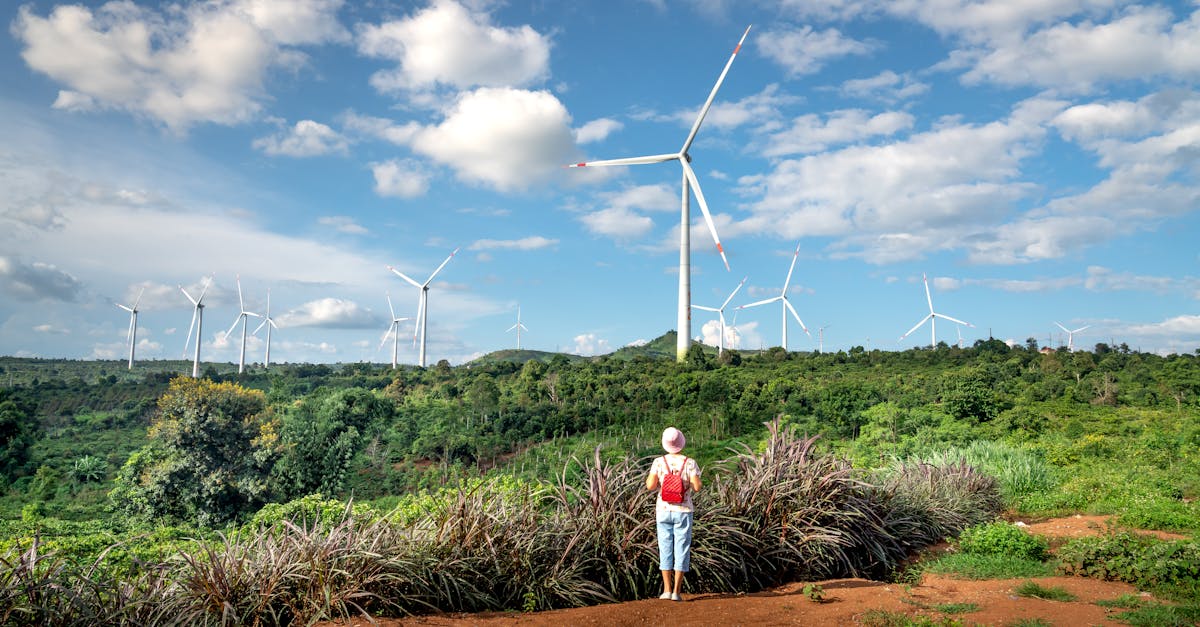 This photo was taken by Quang Nguyen Vinh on Pexels.
Welcome to the heart of France, a land where timeless elegance meets an urgent commitment to preserving its natural beauty. As your local guide, I am thrilled to share how you can explore this magnificent country responsibly, ensuring that its landscapes and culture thrive for generations to come. In this post, we will journey through the art of slow travel by rail and bike, uncover hidden gems among eco-conscious accommodations from Provence to the Alps, and savor the authentic taste of seasonal, organic dining. Let us embark on a green adventure that honors the spirit of joie de vivre while protecting the precious heritage of our beloved destination.
Embracing Slow Travel: Discovering France by Train and Bicycle
France's extensive and efficient rail network offers a serene alternative to the rush of air travel, inviting visitors to truly savor the landscape as it unfolds beyond the window. From the sun-drenched vineyards of Bordeaux to the lavender fields of Provence, the TGV and regional TER trains connect historic cities and charming villages with ease, allowing you to leave your car behind and reduce your carbon footprint significantly. Imagine waking up in Paris, boarding a morning train to Lyon for a culinary adventure, and arriving by evening without the stress of traffic or parking; this mode of transport transforms the journey itself into an immersive part of the experience, where local life is observed from the comfort of a seat rather than through the blur of a highway.
Complementing the rail system, France has emerged as one of Europe's premier destinations for cycling, boasting thousands of kilometers of dedicated greenways like the Voie Verte that wind through former railway lines and quiet countryside paths. Renting a bicycle in towns such as Strasbourg or along the Loire Valley allows you to delve deep into rural communities at a human pace, stopping spontaneously at family-run bakeries, hidden chapels, or scenic overlooks that are inaccessible by larger vehicles. By combining train travel for long distances with cycling for local exploration, tourists can engage in sustainable tourism that not only protects the environment but also fosters meaningful connections with the French way of life, proving that the most memorable discoveries often happen when we slow down.
 This photo was taken by Jean-Paul Wettstein on Pexels.
Staying Green: Eco-Conscious Accommodations Across the Regions
From the lavender fields of Provence to the rugged cliffs of Brittany, France is pioneering a green revolution in hospitality that allows travelers to explore with a clear conscience. Many regions now boast certified eco-lodges and "Green Key" hotels that prioritize energy efficiency, utilize locally sourced organic produce for their kitchens, and implement rigorous waste reduction systems. In the Alpine resorts, you might find chalets powered entirely by solar panels and geothermal heating, while in the Loire Valley, historic châteaux have been transformed into sustainable retreats featuring permaculture gardens and rainwater harvesting systems. These accommodations do not merely minimize their footprint; they actively contribute to local conservation efforts, offering guests an immersive experience where luxury meets ecological responsibility.
Choosing these eco-conscious stays often opens doors to unique cultural experiences that go beyond standard sightseeing. Guests at rural farmstays in Auvergne can participate in daily chores, learning about traditional farming methods that preserve biodiversity, while urban boutique hotels in Lyon frequently partner with local artisans to offer workshops on upcycling and sustainable fashion. By staying in these environmentally aware establishments, tourists directly support the local economy and encourage the preservation of France's natural landscapes and heritage sites. This approach transforms your trip from a simple vacation into a meaningful contribution, ensuring that the breathtaking beauty of French regions remains vibrant and accessible for generations to come.
 This photo was taken by Erik Mclean on Pexels.
Savoring Local Flavors: A Guide to Seasonal and Organic Dining
Embracing the rhythm of the seasons is the heart of authentic French dining, offering travelers a delicious way to connect with local terroir while supporting sustainable agriculture. By choosing restaurants that prioritize marchés and farm-to-table menus, you not only savor produce at its peak freshness but also reduce the carbon footprint associated with long-distance food transport. From the crisp apples of Normandy in autumn to the vibrant strawberries of the Loire Valley in spring, these seasonal ingredients tell a story of the land, ensuring that every bite reflects the true essence of France's diverse regions.
Beyond mere taste, opting for organic and locally sourced meals empowers small-scale farmers who practice eco-friendly methods, preserving biodiversity and soil health across the countryside. Many charming bistros and family-run estates now proudly display their commitment to organic certification, inviting guests to dine on dishes free from synthetic pesticides and fertilizers. As a conscious traveler, selecting these establishments transforms your culinary journey into an act of stewardship, proving that enjoying exquisite gastronomy and protecting our planet can go hand in hand throughout your French adventure.
 This photo was taken by Kemal Can on Pexels.