Sustainable Tourism: How to Explore France Responsibly
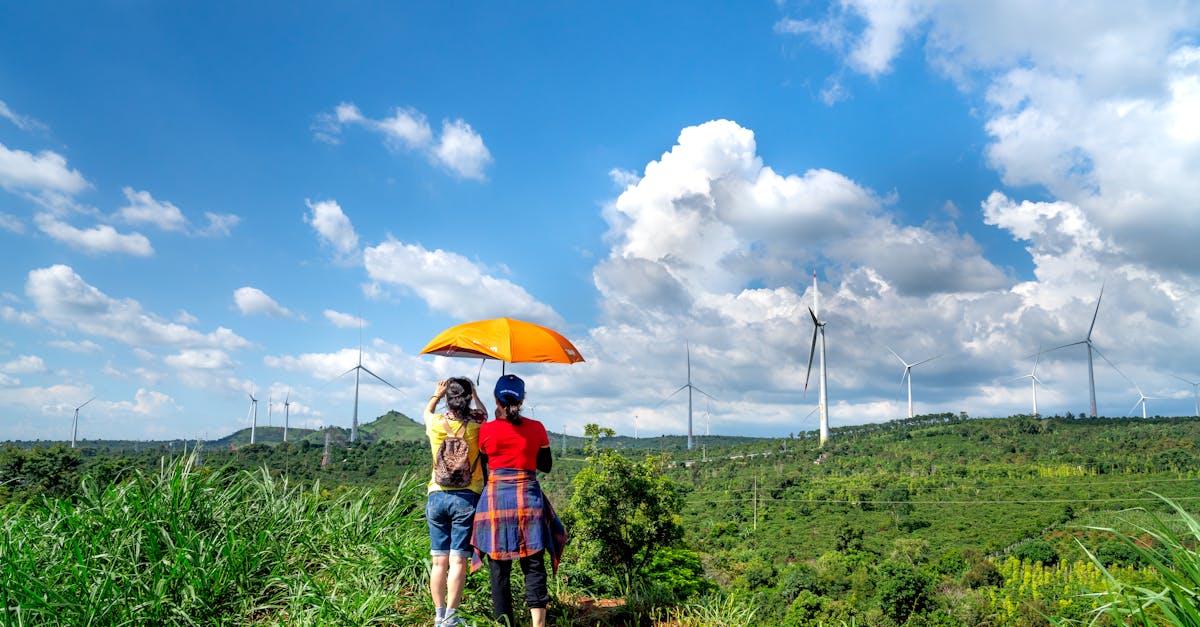 This photo was taken by Quang Nguyen Vinh on Pexels.
Bonjour and welcome to the heart of France, a land where timeless châteaux meet vibrant markets and rolling vineyards stretch as far as the eye can see. Yet, as we fall deeper in love with this incredible destination, it becomes ever more important to ensure our footprints are gentle upon its soil. In this post, we invite you to reimagine your French adventure through the lens of sustainability, moving beyond the crowded tourist trails to uncover a richer, more authentic experience. Whether you choose to glide through the countryside on two wheels, savor farm-to-table cuisine in local bistros, or tread lightly through ancient forests, every choice you make helps preserve the magic of France for generations to come. Let's embark on a journey that honors both the beauty of the present and the promise of the future.
Embrace Slow Travel: Discovering France's Hidden Gems by Train and Bicycle
Sustainable tourism in France invites you to slow down and truly immerse yourself in the rhythm of the countryside, far removed from the frantic pace of high-speed rail corridors. By combining the scenic comfort of regional TER trains with the freedom of a bicycle, you unlock access to charming villages tucked away along the Loire Valley, the lavender fields of Provence, and the vineyards of Burgundy that often escape the tourist trail. This mode of travel not only significantly reduces your carbon footprint but also allows for spontaneous detours where you can stop at a local bakery for fresh pain au chocolat or chat with farmers about their harvest, creating authentic connections that define the French way of life.
The beauty of this approach lies in its ability to support local economies directly; every bike rental in a small town and every meal shared in a village café contributes to the preservation of these hidden gems rather than overcrowded hotspots. As you pedal through ancient cobblestone streets or cycle alongside historic canal paths like the Canal du Midi, you become an active participant in the landscape's conservation, ensuring that France's natural and cultural heritage remains vibrant for future generations. Embracing this slower, greener journey transforms your visit from a simple sightseeing checklist into a meaningful exploration of the country's soul, proving that the most memorable experiences are often found when you take the time to wander off the beaten path.
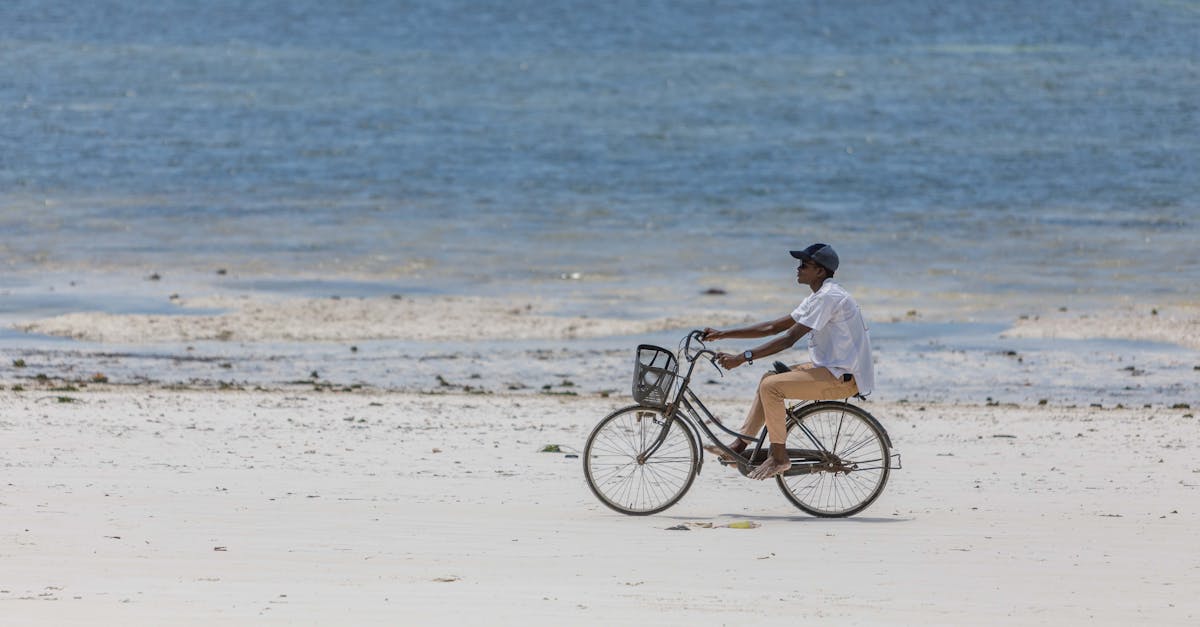 This photo was taken by PhotoByMau PhotoByMau on Pexels.
Support Local Economies: Where to Eat, Shop, and Stay Sustainably
One of the most delicious ways to support France's local economy is by immersing yourself in its vibrant culinary landscape, prioritizing establishments that source ingredients directly from nearby farms and artisans. Instead of sticking to international chains or tourist traps near major landmarks, seek out bustling marchés where you can purchase fresh produce, cheeses, and breads straight from the producer, or dine at family-run bistrots serving seasonal menus. By choosing to eat where locals do, you ensure that your money stays within the community, helping to preserve traditional farming practices and safeguarding the rich gastronomic heritage that defines French culture.
Beyond the dining table, sustainable choices extend to your shopping and accommodation habits, creating a ripple effect of positive impact throughout the country. Opt for locally owned boutiques selling regional crafts, such as Provençal ceramics or Alsatian textiles, rather than mass-produced souvenirs, and select eco-certified hotels or charming maisons d'hôtes that employ local staff and adhere to green initiatives. This conscious approach not only reduces the carbon footprint associated with long supply chains but also empowers small business owners to thrive, ensuring that the unique character of each French region remains intact for future generations of travelers.
 This photo was taken by Anna Tarazevich on Pexels.
Respect Nature and Heritage: Practical Tips for Eco-Conscious Explorers
France's breathtaking landscapes, from the lavender fields of Provence to the rugged cliffs of Brittany, require our collective guardianship to remain pristine for future generations. As you wander through these natural wonders, practice the "leave no trace" principle by staying on marked trails, packing out all your waste, and avoiding single-use plastics that often end up polluting our rivers and coastlines. When visiting protected areas like the Calanques National Park or the Camargue, remember that wildlife is best observed from a distance; feeding animals or disturbing nesting sites not only disrupts local ecosystems but can also be illegal. By choosing eco-friendly accommodations certified with the French Écolabel and supporting local producers who use sustainable farming practices, you directly contribute to preserving the biodiversity that makes our countryside so unique.
Beyond nature, France's rich heritage spans thousands of years, encompassing everything from prehistoric caves to medieval cathedrals, and it is vital to treat these historical treasures with the utmost respect. Many ancient monuments, such as the Lascaux caves or delicate frescoes in small chapels, are extremely sensitive to humidity and carbon dioxide emitted by human breath, which is why guided tours with strict access rules exist; always adhere to these regulations without exception. In historic city centers, refrain from touching stone carvings, graffiti, or leaning against fragile walls, as even the oils from our skin can cause irreversible damage over time. Embracing responsible tourism means understanding that we are guests in living history, and by following local guidelines, purchasing authentic souvenirs from artisans rather than mass-produced imports, and respecting quiet hours in residential heritage zones, you help ensure that France's cultural soul remains vibrant and intact.
 This photo was taken by Cup of Couple on Pexels.