Sustainable Tourism in France: Eco-Friendly Travel Tips
 This photo was taken by Francesco Ungaro on Pexels.
Bonjour and welcome to the heart of France, a land where centuries of history dance with breathtaking landscapes. As we navigate our way through this magnificent country, it becomes increasingly clear that true travel is about more than just ticking off landmarks; it is about leaving a positive footprint. In this guide, we invite you to discover the magic of sustainable tourism in France, proving that luxury and responsibility can go hand in hand. From gliding effortlessly through the countryside on scenic train routes and cycling paths to finding cozy, eco-certified retreats and savoring locally sourced delights, let's explore how your next French adventure can support local communities while preserving the beauty of this beloved destination for generations to come.
Embracing Slow Travel: Exploring France by Train and Bike
France's extensive and efficient rail network, operated by SNCF, offers a serene gateway to the countryside, allowing you to leave the stress of driving behind as you glide past rolling vineyards and historic stone villages. By opting for the train, you significantly reduce your carbon footprint while enjoying panoramic views that change with every mile, from the lavender fields of Provence to the rugged cliffs of Brittany. This mode of travel invites a slower pace, giving you the mental space to truly absorb the atmosphere of each region before you even arrive at your destination, making it the perfect foundation for an eco-conscious journey through the heart of France.
Once you have disembarked at a charming station, renting a bicycle transforms your exploration into an intimate adventure where you can pedal along dedicated greenways like the Vélodyssée or meander through quiet rural paths inaccessible to cars. Cycling allows you to stop spontaneously at a family-run bakery for fresh croissants, chat with locals in small market squares, and immerse yourself in the sensory details of the landscape without the barrier of a vehicle. This combination of train and bike not only minimizes environmental impact but also deepens your connection to the land, ensuring that your visit supports local economies while preserving the natural beauty of the French terrain for future generations.
 This photo was taken by Jean-Paul Wettstein on Pexels.
Sustainable Stays: Choosing Eco-Certified Accommodations
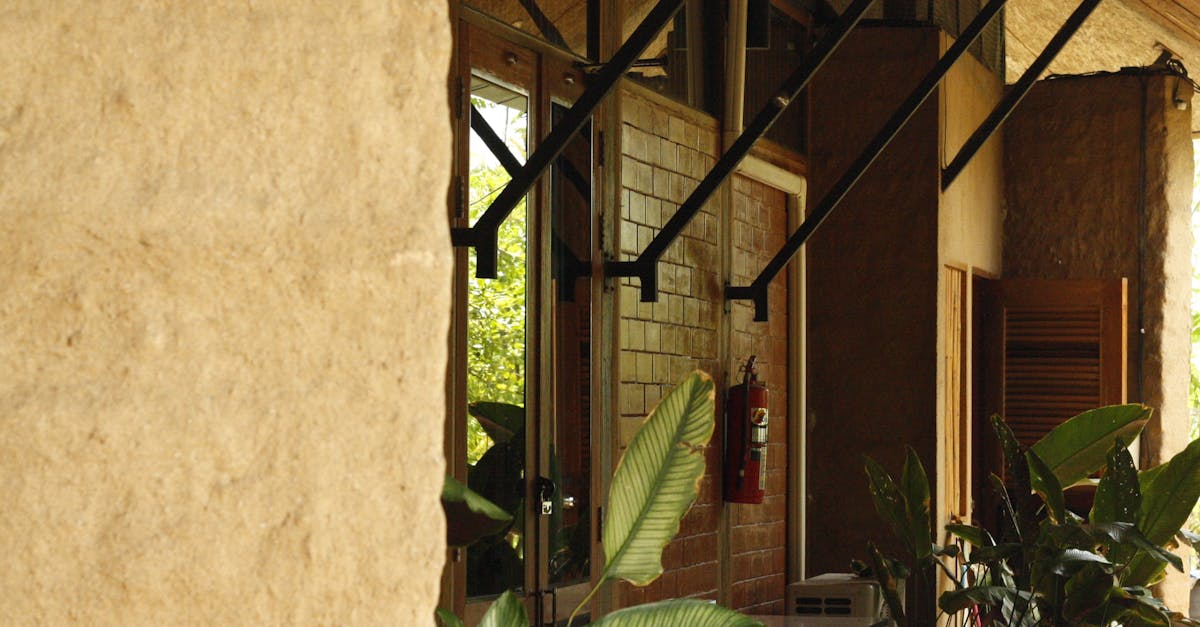
Choosing eco-certified accommodations is one of the most impactful decisions you can make to minimize your environmental footprint while exploring the French countryside. Look for labels such as Clef Verte, Green Key, or Écolabel Européen, which verify that hotels and gîtes adhere to strict criteria regarding energy efficiency, water conservation, waste reduction, and the sourcing of local products. Whether you are staying in a converted stone farmhouse in Provence or a modern boutique hotel in Lyon, these certified establishments often feature solar panels, rainwater harvesting systems, and organic toiletries, ensuring that your comfort does not come at the expense of the beautiful landscapes you have traveled so far to enjoy.
Beyond the tangible environmental benefits, opting for sustainable lodging supports the local economy and preserves France's cultural heritage by encouraging property owners to invest in long-term ecological stewardship. Many eco-friendly hosts go above and beyond by offering farm-to-table breakfasts featuring ingredients from their own gardens or nearby producers, thereby reducing food miles and providing an authentic taste of regional terroir. By selecting these responsible stays, you contribute to a tourism model that respects the delicate balance of France's ecosystems, ensuring that future generations can continue to marvel at our historic cities and pristine natural reserves just as we do today.
 This photo was taken by Halimatu Sa'diah on Pexels.
Supporting Local Economies: Where to Eat and Shop Responsibly
One of the most delightful ways to practice sustainable tourism in France is by immersing yourself in the local culinary scene, which serves as the heartbeat of every village and city. Instead of dining at international chains or tourist traps, seek out "marchés" (open-air markets) where you can purchase fresh, seasonal produce directly from farmers who often use organic methods. Look for restaurants displaying the "Restaurant à la Carte" label or those that proudly advertise "produits locaux," ensuring your meal supports regional agriculture and reduces food miles. Whether you are savoring a rustic baguette from a traditional boulangerie or enjoying a multi-course meal featuring terroir-specific ingredients, your choices help preserve France's rich gastronomic heritage while putting money directly into the pockets of local artisans.
When it comes to shopping, responsible travel means prioritizing authentic craftsmanship over mass-produced souvenirs found in airport gift shops. Visit independent boutiques, artisan workshops, and cooperatives where you can find unique items like Provençal soaps, Limoges porcelain, or Breton linen, all made with traditional techniques passed down through generations. By choosing these locally owned establishments, you contribute to the economic resilience of communities that might otherwise struggle against globalization. Many French towns also offer "circuits courts" (short supply chains) for goods, allowing you to buy everything from wine to honey without an intermediary, ensuring that the value of your purchase stays within the community and fosters a deeper connection between you and the culture you are exploring.
 This photo was taken by Lagos Food Bank Initiative on Pexels.