The Art of French Dining: Etiquette, Timing, and Table Manners
 This photo was taken by Caique Araujo on Pexels.
Bienvenue in France, where a meal is far more than mere sustenance; it is a cherished ritual that weaves together history, culture, and the art of living well. As your guide through this culinary paradise, I invite you to step away from the hurried pace of modern life and embrace the deliberate rhythm of French dining. From the precise moment you sit down to the final sip of coffee, every gesture carries meaning. In this post, we will unlock the secrets behind the unwritten rules of etiquette, explore the beautiful philosophy of timing your courses, and master the delicate dance of table manners—from the unfolding of your napkin to the perfect hold of your glass. Get ready to dine like a true local and savor every moment of this unforgettable experience.
The Unwritten Rules of French Dining Etiquette
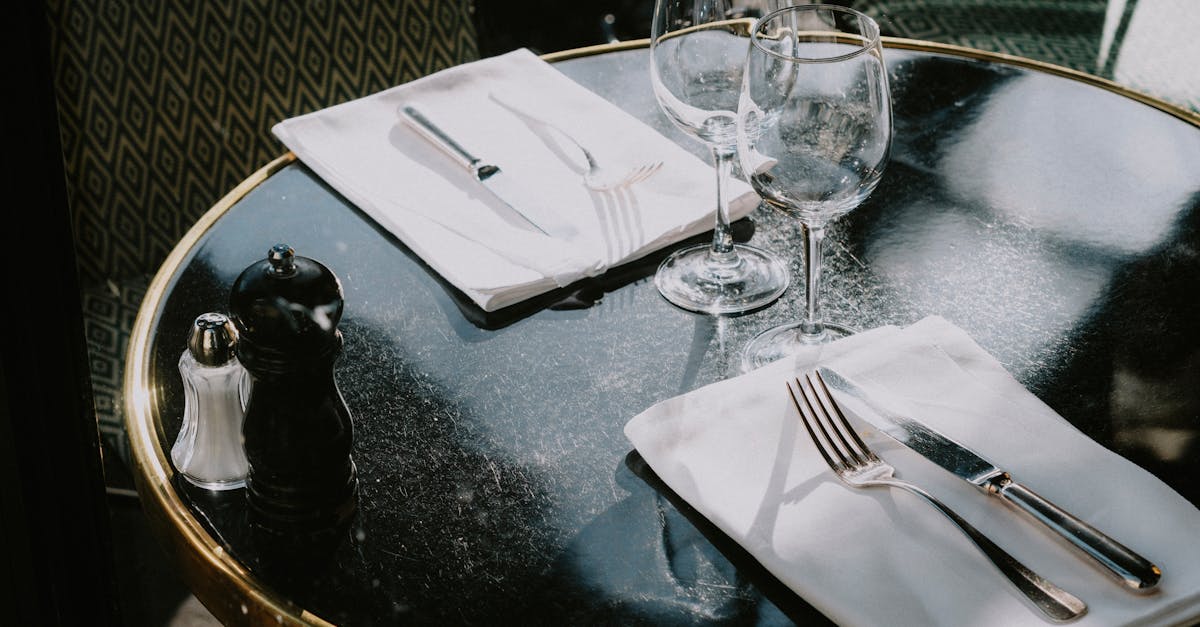
One of the most delightful yet subtle aspects of dining in France is understanding that meals are a social ritual rather than a mere refueling stop. The unwritten rule of "no rushing" is paramount; once you sit down, the meal unfolds at its own leisurely pace, often lasting hours as conversation flows between courses. It is considered impolite to start eating until everyone at the table has been served, and placing your hands on the table with wrists resting gently on the edge is encouraged, while keeping elbows off the surface remains essential. Furthermore, never ask for the bill immediately after finishing; instead, wait for it to be brought or politely signal the server when you are truly ready to depart, as asking too soon can imply you view the experience as transactional rather than communal.
Another crucial etiquette involves the handling of bread and wine, which serve as integral parts of the French dining identity. Bread should never be cut with a knife but torn into bite-sized pieces by hand, and it is perfectly acceptable to place these pieces directly onto your plate rather than using a separate bread plate. When drinking wine, ensure your glass is held by the stem to prevent warming the liquid with your body heat, and always make eye contact while clinking glasses—a gesture known as "tchin-tchin"—as failing to do so is humorously said to bring seven years of bad luck. Finally, remember that saying "bon appétit" before the first bite is a warm invitation to enjoy the feast, but it is rarely used during the meal itself, as the act of eating is already understood to be an enjoyment of the moment.
 This photo was taken by Mathias Reding on Pexels.
Savoring the Moment: The Art of Timing Your Meal
In France, dining is far more than a mere necessity; it is a deliberate ritual where time itself becomes an ingredient to be savored. Unlike the hurried pace of many other cultures, the French approach to meals dictates that you should never rush your host or fellow diners, as the meal is designed to unfold over several courses with pauses for conversation and appreciation. Arriving exactly on time is crucial, but once seated, the clock stops mattering in the traditional sense; you wait for the host to begin eating before you do, and you follow their lead throughout the evening. This shared rhythm transforms a simple dinner into a communal experience, where the length of the meal is a sign of respect and enjoyment rather than inefficiency.
The art of timing also extends to the ordering process and the consumption of each course, which requires a patient observation of the table's flow. It is considered impolite to ask for dishes out of sequence or to finish your wine glass immediately if others are still sipping theirs, as this disrupts the collective tempo. Whether you are enjoying a quick apéritif at a Parisian bistro or a multi-hour feast in a Provençal village, the key lies in embracing the natural ebb and flow of the meal. By allowing yourself to be fully present in the moment, savoring each bite and engaging deeply with your companions, you truly understand the French philosophy that life is best lived slowly and deliciously.
 This photo was taken by Kemal Can on Pexels.
Mastering Table Manners from Napkin to Glass
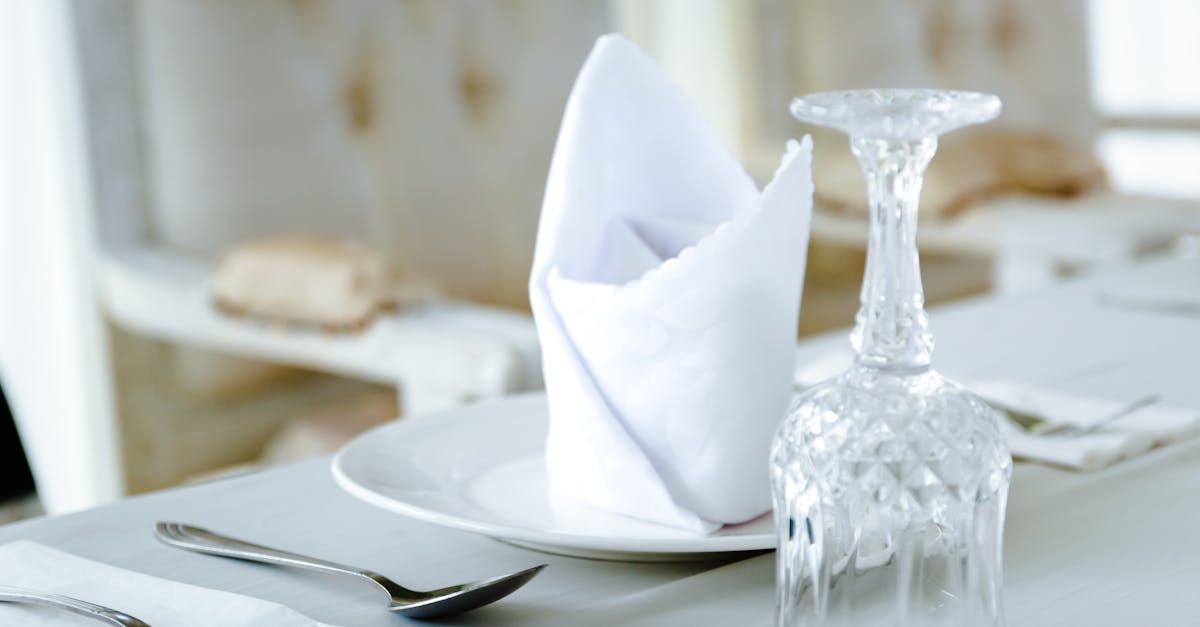
Upon being seated in a classic French bistro or an elegant Parisian restaurant, the first gesture of respect is to place your napkin gently on your lap, never tucked into your collar as is common elsewhere. The rhythm of the meal dictates that you wait for the hostess or the eldest guest to pick up their napkin before you do, and when finished, simply fold it loosely to the left of your plate rather than crumpling it. As the course progresses, keep your hands visible above the table with wrists resting lightly on the edge; elbows should remain off the surface unless you are between courses. Remember that bread is not merely an accompaniment but a utensil: tear it into bite-sized pieces by hand and butter each piece individually on your side plate, never cutting a whole loaf with a knife.
The art of the toast, or "tchin-tchin," requires a mindful eye contact with every diner across the table before taking that first sip of wine, ensuring no one feels excluded from the moment. When dining, hold your fork with the tip down in the French style, using the knife only for cutting and then returning it to the rest position at 4 o'clock while the fork remains in the left hand. Silence often falls over the room during the main course as conversation turns to hushed tones, allowing the flavors to shine, yet a polite "bon appétit" is the universal signal to begin. Finally, when the meal concludes, leave your cutlery parallel to each other on the plate to indicate satisfaction, and resist the urge to ask for extra sauce or condiments, as the chef's balance is considered sacred territory.
 This photo was taken by Ihsan Adityawarman on Pexels.