The Art of Living: Understanding French Etiquette as a Tourist
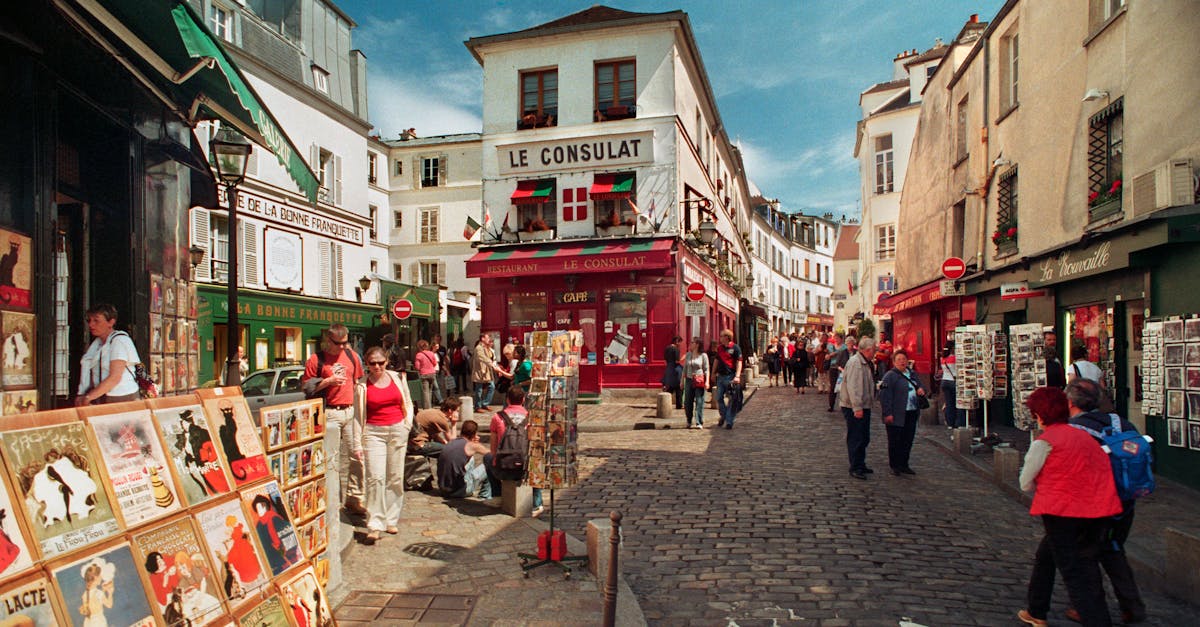 This photo was taken by David Henry on Pexels.
Welcome to the heart of elegance and culture! As you embark on your journey through the beautiful landscapes and historic streets of France, remember that true appreciation goes beyond sightseeing. To truly immerse yourself in the French experience, one must embrace the subtle nuances of their social code. This guide is designed to help you navigate daily interactions with confidence and grace, ensuring you are welcomed not just as a visitor, but as a respectful guest. From the precise rituals of greeting to the artful pacing of a multi-course meal, we will explore how understanding these traditions can transform your trip into an unforgettable celebration of "l'art de vivre." Let us unlock the secrets to connecting authentically with locals and savoring every moment with the sophistication they deserve.
Mastering the Art of Greetings
Welcome to France, where the simple act of saying "hello" is a ritual that sets the tone for your entire visit. Unlike in many other cultures where a quick nod or a casual "hi" suffices, French etiquette demands a deliberate and polite greeting before any conversation begins. Whether you are entering a small boutique, stepping into a bakery, or meeting a host for dinner, always initiate with a warm "Bonjour" (good day) or "Bonsoir" (good evening), addressing the person directly. Skipping this step is often perceived as rude or dismissive, as it implies you are only interested in making a transaction rather than connecting with the person behind the counter.
The nuances of these greetings extend beyond words to include physical gestures and titles, which vary depending on the context and age of the individual. In formal settings or when speaking to elders, use "Monsieur" or "Madame" rather than first names until invited otherwise, and consider offering a light handshake or the traditional "la bise," a series of cheek kisses common among friends and family, though tourists should wait for cues before attempting this intimate gesture. Mastering these social courtesies not only demonstrates respect for local customs but also opens doors to warmer interactions, transforming you from a mere observer into a welcomed guest in the beautiful tapestry of French daily life.
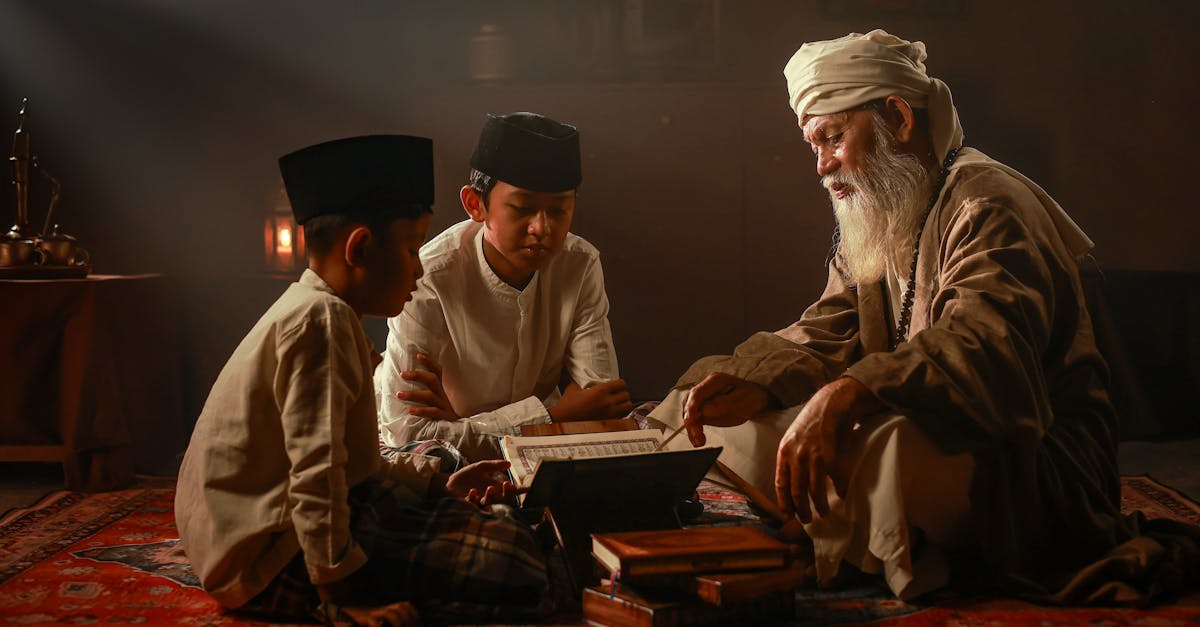 This photo was taken by widiarto proboprasetyo on Pexels.
Dining with Grace: Table Manners and Timing
In France, dining is a ritual of connection rather than a mere transaction, and observing the subtle cues of table manners will instantly elevate your experience. When seated, keep your hands visible on the table with wrists resting lightly on the edge, but avoid placing elbows there or resting your chin in your hands. It is customary to wait until the host says "Bon appétit" before beginning to eat, and remember that bread is not eaten with the fork; instead, tear off small pieces as needed and place them directly on the tablecloth beside your plate. While wine is often paired with meals, it is polite to take sips rather than drinking heavily, and never raise your glass for a toast unless you are making eye contact with those around you.
Timing is equally crucial to the French dining rhythm, which is designed to be leisurely and unhurried compared to many other cultures. You should expect courses to arrive sequentially—soup, main, cheese, dessert—with pauses between them to converse and enjoy the company, so do not rush your server to clear plates or demand the bill immediately after finishing. In fact, asking for the check too quickly can be seen as impolite; instead, wait for a natural lull in conversation or catch the waiter's eye to signal you are ready. Embracing this slower pace allows you to truly savor the flavors and the atmosphere, transforming a simple meal into a memorable cultural immersion.
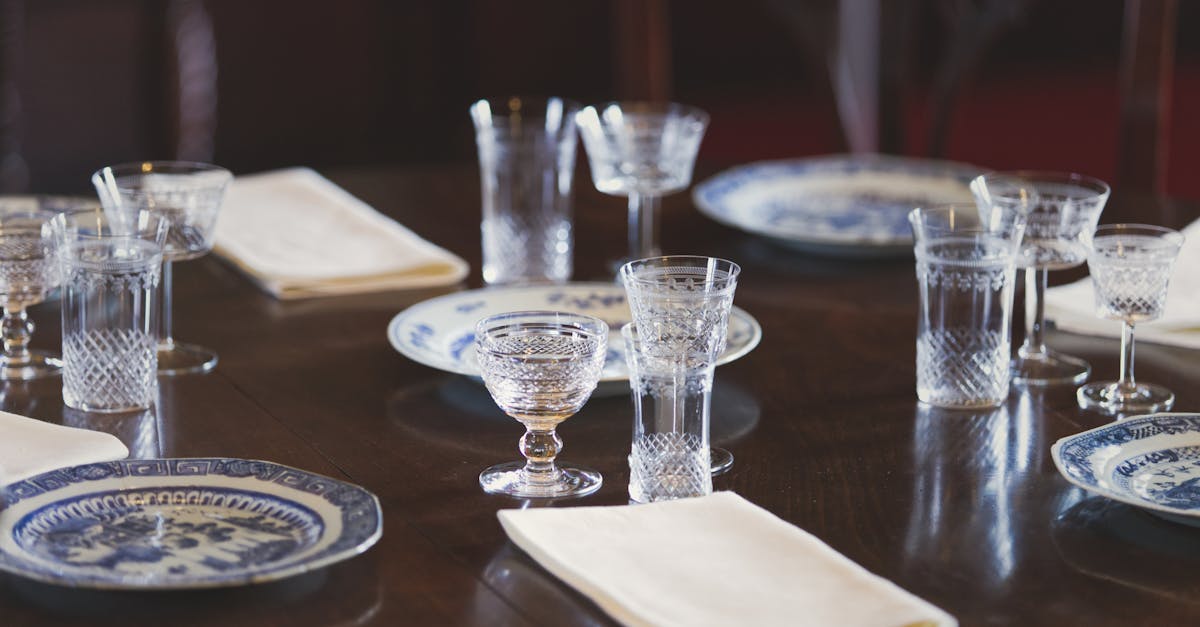 This photo was taken by Thiago Oliveira on Pexels.
The Importance of 'Bonjour' in Everyday Interactions
Upon stepping onto the cobblestone streets of Paris or wandering through the lavender fields of Provence, the most immediate and crucial key to unlocking authentic French hospitality is the simple yet profound act of saying "Bonjour." Unlike in many other cultures where greetings are often assumed or skipped entirely when entering a shop or approaching a stranger, in France, this verbal acknowledgment is not merely polite; it is a mandatory social contract. Failing to offer a warm "Bonjour" before asking for directions, ordering a coffee, or requesting assistance can be perceived as rude or even aggressive, effectively closing doors that might otherwise remain open. It signals respect for the individual's time and dignity, transforming a transactional interaction into a human connection.
This linguistic ritual extends far beyond the initial greeting, serving as the foundation for all subsequent conversations and interactions throughout your journey. Whether you are bargaining at a local market in Nice, checking into a charming boutique hotel in Lyon, or simply passing someone on a narrow sidewalk, the expectation remains consistent: acknowledge the person first with a cheerful "Bonjour," and conclude your exchange with a sincere "Au revoir" or "Merci." By mastering this etiquette, you demonstrate cultural sensitivity that locals deeply appreciate, often resulting in warmer smiles, more helpful advice, and a richer travel experience that goes well beyond the standard tourist itinerary. Embracing this custom is truly the first step in understanding the art of living like a local.
 This photo was taken by Brett Jordan on Pexels.