The Art of Living: Understanding French Gastronomy and Dining Etiquette
 This photo was taken by Mathias Reding on Pexels.
Welcome, friends, to the heart of French culture, where every meal is a celebration and dining is far more than mere sustenance. As your guide through this enchanting land, I invite you to step away from the hurried pace of modern life and embrace the timeless rhythm of "la vie à la française." In France, food is an art form, a language of love, and a profound expression of regional pride that has been refined over centuries. Whether you are wandering through the sun-drenched vineyards of Provence or strolling along the cobblestone streets of Paris, understanding the nuances of French gastronomy will transform your culinary journey from a simple act of eating into a memorable cultural immersion.
In this post, we will gently unravel the intricate tapestry of French dining, exploring how a meal unfolds from the welcoming clink of glasses during the apéritif to the final sweet mignardises. We will decode the vibrant symphony of flavors found in each distinct region, offering you the confidence to navigate local menus with ease. Finally, we will delve into the delicate social dance of conversation and table manners, revealing how these traditions serve as the glue that binds communities together. Get ready to savor not just the food, but the very soul of France.
The Ritual of the Meal: From Apéritif to Mignardises
 This photo was taken by Erik Mclean on Pexels.
A Symphony of Flavors: Decoding Regional Specialties
France's culinary landscape is a vibrant tapestry woven from distinct regional threads, each offering a unique symphony of flavors that tells the story of its terroir. In the sun-drenched south, you will find the robust aromas of Provençal cuisine, where olive oil, garlic, and herbs de Provence dance with fresh seafood in bouillabaisse or slow-cook lamb in daube. Conversely, venturing north to Normandy reveals a dairy-rich world defined by creamy Camembert, apple cider, and delicate dishes like duck à la rouennaise, while the Alpine regions offer hearty raclette and fondue to warm the soul against the mountain chill. Every bite serves as an edible postcard, inviting travelers to explore how geography and history have shaped these diverse palates into a national treasure.
Understanding these specialties goes beyond mere tasting; it requires embracing the French philosophy of dining as a social ritual rather than a quick refuel. Whether savoring a multi-course meal in a Parisian bistro or enjoying a simple picnic with local cheeses on a village green, the rhythm of the meal is sacred. The art lies in the pacing, allowing time for conversation to flow between courses, and respecting the etiquette of serving wine from the right side or waiting for the host to begin eating. By slowing down and engaging with the food mindfully, visitors not only decode the flavors but also unlock the true essence of "l'art de vivre," transforming a simple meal into an unforgettable cultural immersion.
 This photo was taken by Loic Van Montagu on Pexels.
Table Manners and Conversation: The Social Dance of French Dining
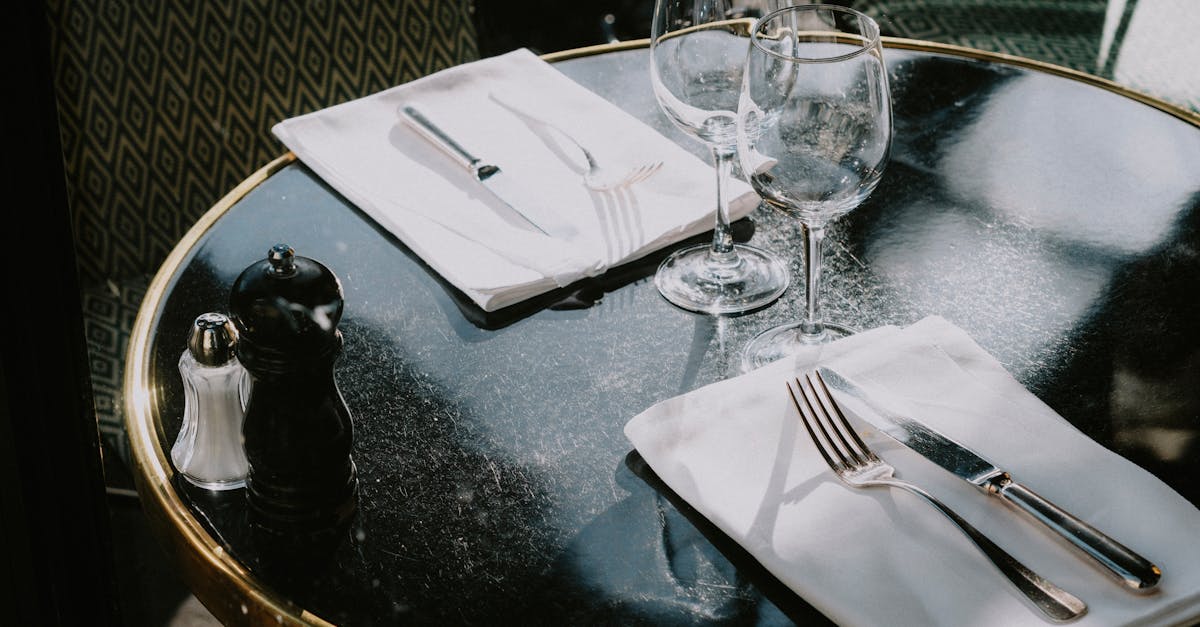
French dining is less about the rapid consumption of food and more about a leisurely, communal ritual where table manners serve as the choreography for social interaction. Unlike in some cultures where finishing your plate is a sign of appreciation, in France, leaving a small amount of food indicates you were satisfied; conversely, placing your knife and fork parallel across the plate signals that you have finished your course. The bread plays a unique role here, often placed directly on the tablecloth rather than a side plate, and it is customary to tear off bite-sized pieces with your hands rather than cutting them. Throughout the meal, maintaining eye contact and keeping your wrists visible above the table are subtle but important gestures of respect, while the clinking of glasses should be gentle and accompanied by a warm "santé" to honor the shared experience.
Conversation at a French table is the true soul of the evening, flowing effortlessly between topics ranging from politics and art to the nuances of the wine just poured. It is considered impolite to rush through a meal or to discuss business matters until dessert has been served and coffee is being enjoyed; instead, guests engage in lively debate and storytelling, knowing that silence is only acceptable when savoring a particularly exquisite dish. As a visitor, do not hesitate to ask questions about the menu or local traditions, as the French generally appreciate genuine curiosity about their culture. Remember that the pace is dictated by the host, so let the conversation breathe and the wine flow, embracing the rhythm of this elegant social dance where every bite and word contributes to the art of living.
This photo was taken by Mathias Reding on Pexels.