The Loire Valley Castles: A Journey Through Royal History
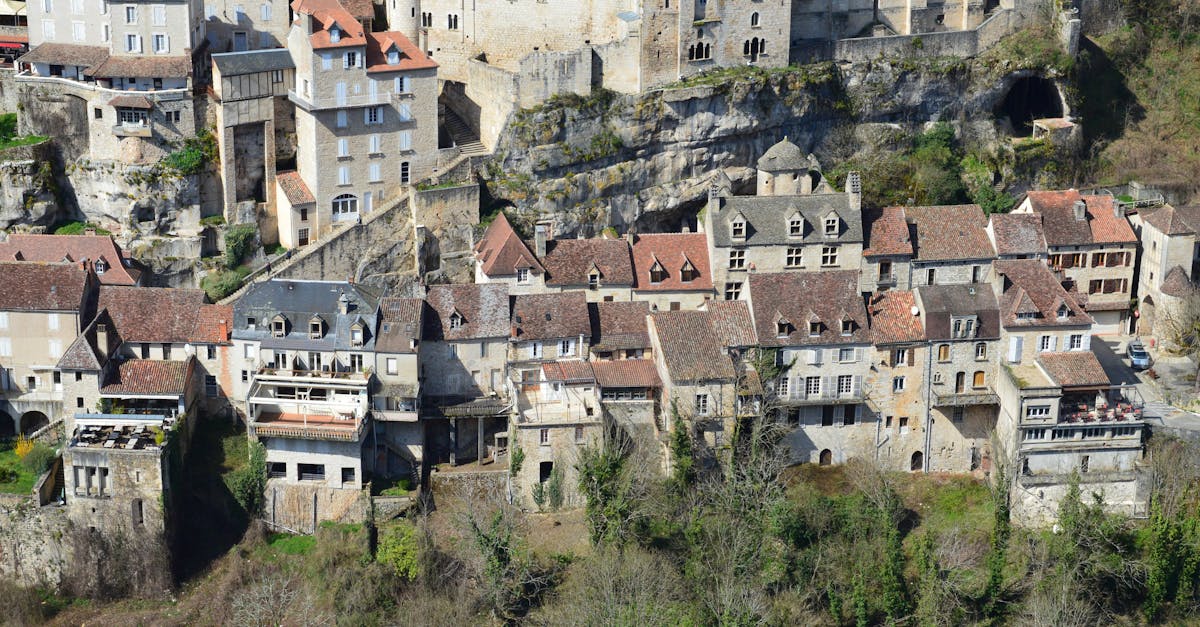 This photo was taken by SlimMars 13 on Pexels.
Welcome to the heart of France, where the gentle Loire River winds through a landscape dotted with architectural masterpieces that have witnessed centuries of royal intrigue and artistic brilliance. Known as the "Garden of France," this region offers more than just stunning scenery; it invites you to step into a living museum of history, where stone walls whisper tales of kings, queens, and the transformative power of the Renaissance. Whether you are marveling at the grandeur of Chambord or strolling across the iconic bridge of Chenonceau, our journey promises an immersive experience into the elegance and mystery of French royalty. Join us as we explore these magnificent châteaux, uncover the legends that surround them, and discover the art of living that has defined this timeless valley for generations.
The Royal Residences: From Chambord to Chenonceau
Embarking on a royal journey through the Loire Valley, one cannot help but be awestruck by the grandeur of Château de Chambord. As the largest castle in the valley and a masterpiece of French Renaissance architecture, its soaring skyline and intricate double-helix staircase, attributed to Leonardo da Vinci, whisper tales of King Francis I's ambition. Walking through its vast halls and sprawling gardens feels like stepping back into an era where monarchs hunted deer in the surrounding forests and hosted lavish banquets that defined the splendor of the French court. The sheer scale of Chambord sets the tone for the entire region, showcasing a blend of French medieval traditions with Italian elegance that continues to captivate visitors from around the world.
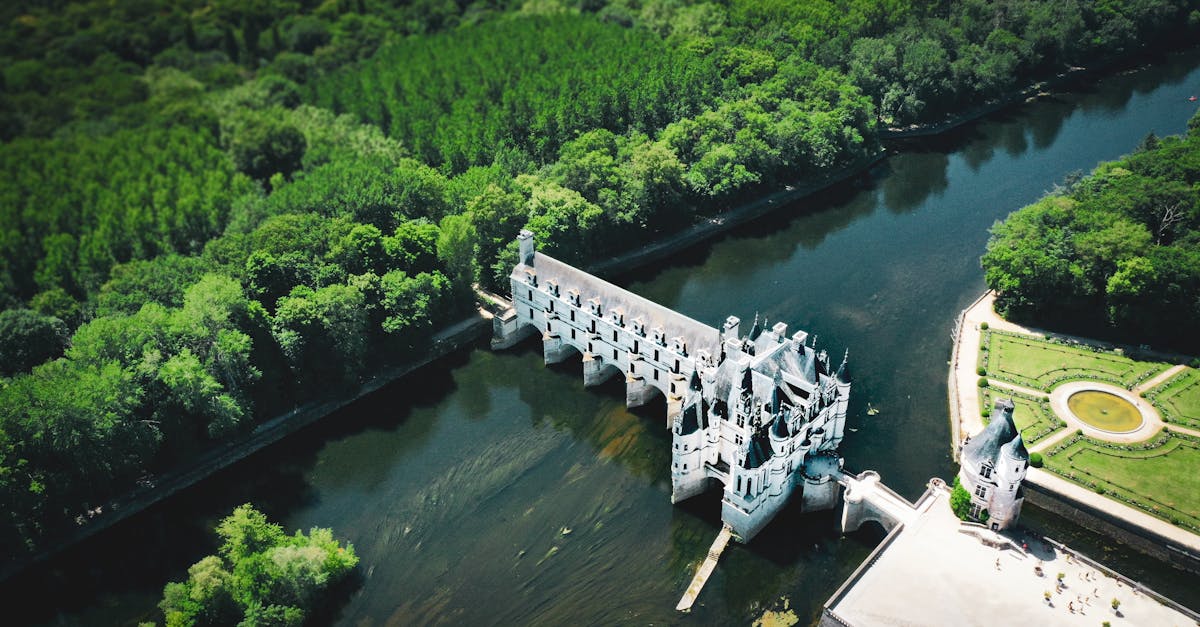
In stark contrast to Chambord's imposing fortifications lies the graceful elegance of Château de Chenonceau, often called the "Ladies' Castle" for the influential women who shaped its history. Perched majestically over the Cher River, this architectural gem features a stunning gallery that spans the water, offering breathtaking views that have inspired poets and painters for centuries. Unlike the military strongholds of the past, Chenonceau was designed as a place of pleasure and art, with its delicate arches and manicured gardens reflecting a more intimate, yet equally opulent, side of royal life. Together, these magnificent residences offer a profound glimpse into the power, culture, and artistic legacy of France's most celebrated kings and queens, making the Loire Valley an essential destination for any history enthusiast.
 This photo was taken by Ferdinand F Eman on Pexels.
A Walk Through Time: The Renaissance and Beyond
Stepping into the Loire Valley is akin to turning the pages of a living history book, where the grandeur of the French Renaissance comes alive amidst rolling vineyards and serene rivers. As you wander through the opulent halls of Château de Chambord or the intricate gardens of Chenonceau, you are walking in the footsteps of kings like Francis I and Catherine de' Medici, who transformed these fortified strongholds into palatial sanctuaries of art and intellect. The architecture tells a story of cultural rebirth, blending medieval defensive structures with classical Italian influences, while every carved chimney and soaring tower whispers tales of royal banquets, secret rendezvous, and political intrigue that shaped the destiny of France.
Beyond the 16th century, the narrative of the Loire continues to unfold as the region evolved from a seat of absolute power to a landscape of enduring artistic legacy. Later centuries brought subtle shifts in style, with the addition of elegant neoclassical facades and lush parks designed by masters like André Le Nôtre, reflecting the changing tastes of the aristocracy and the eventual decline of court life here. Today, a stroll through these grounds offers more than just historical sightseeing; it provides a profound connection to the human spirit's quest for beauty and permanence, inviting visitors to imagine the echoes of lute music and the rustle of silk gowns that once filled these corridors before they became cherished monuments for all to enjoy.
 This photo was taken by Erik Mclean on Pexels.
Gardens, Legends, and the Art of Living
Beyond the imposing stone facades of Chambord and Chenonceau lies a world where nature and architecture dance in perfect harmony, inviting visitors to step into the living heart of French royalty. These gardens are not merely decorative backdrops but meticulously designed landscapes that reflect the Renaissance obsession with order, symmetry, and the mastery over nature itself. As you stroll through the geometric parterres of Villandry or wander along the water-filled moats of Amboise, you will discover how the gardens were once stages for grand festivals, hunting parties, and intimate courtly conversations. Here, the art of living is palpable; every trimmed hedge, blooming flowerbed, and cascading fountain tells a story of leisure and refinement that defined the lifestyle of kings and queens who sought to escape the rigors of political life in this verdant sanctuary.Yet, the true magic of the Loire Valley transcends its physical beauty, weaving together the tangible history of its castles with the ethereal tapestry of local legends that have captivated travelers for centuries. From the mysterious Lady of the Lake tales echoing near the banks of the Cher River to the whispered secrets of Catherine de' Medici's alchemical experiments, the landscape seems alive with the ghosts of the past. This unique blend of reality and myth creates an immersive atmosphere where the boundary between historical fact and folklore blurs, encouraging tourists to imagine themselves as characters in a royal drama. By exploring these grounds, one does not just observe history but experiences the enduring French philosophy of l'art de vivre—a celebration of beauty, storytelling, and the simple joy of existing in a place where time seems to slow down amidst the whispering trees and ancient stones. This photo was taken by Alexander Taranenko on Pexels.