The Slow Travel Movement: Experiencing Rural Life in Provence
 This photo was taken by Erik Mclean on Pexels.
Welcome to the heart of France, where time seems to slow down just enough for you to truly breathe. In a world that often demands speed and efficiency, the Slow Travel movement invites us to rediscover the joy of presence, particularly in the sun-drenched landscapes of Provence. This is not merely about visiting a destination; it is about becoming part of its rhythm. As we journey through this region, we will leave the crowded tourist trails behind to explore the sensory symphony of rolling lavender fields and ancient olive groves. We will savor the renowned art de vivre, from the vibrant chaos of local markets to the exquisite flavors of farm-to-table dining, before wandering into hidden villages where timeless traditions continue to thrive. Get ready to immerse yourself in a Provençal experience that lingers long after your trip has ended.
Immersing Yourself in the Lavender Fields and Olive Groves
As you venture deeper into the heart of Provence, the landscape transforms into a breathtaking tapestry of violet hues and silvery greens, inviting you to slow your pace and truly breathe in the essence of the region. During the summer months, vast fields of lavender stretch as far as the eye can see, their intoxicating fragrance drifting on the warm mistral wind to meet you at every turn. Walking through these aromatic rows offers more than just a picturesque photo opportunity; it is a sensory immersion that connects you directly to the land's agricultural heritage. Whether you are exploring the Valensole Plateau or the rolling hills near Sault, taking a moment to sit beneath the swaying stalks allows you to disconnect from the digital world and reconnect with the rhythmic, timeless cycle of nature that has defined this territory for centuries.
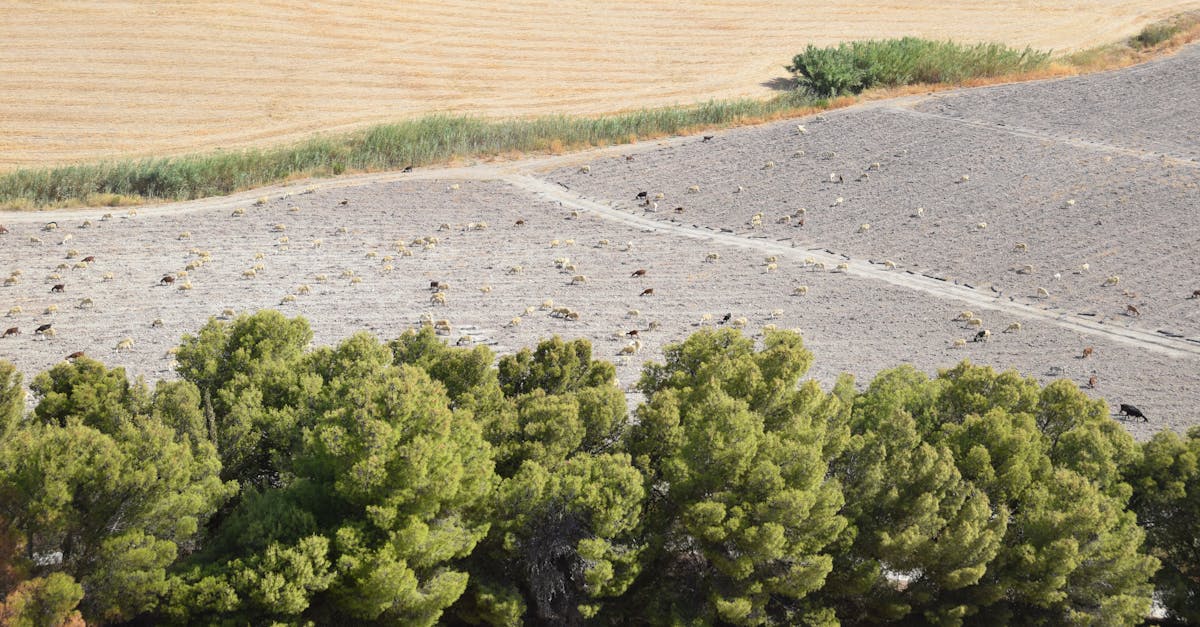
Beyond the floral splendor, the ancient olive groves stand as silent sentinels of Provence's history, their gnarled trunks twisted by generations of sun and wind. Strolling through these silver-canopied forests reveals a different kind of serenity, where the dappled sunlight filters through leaves to create a cool, meditative atmosphere perfect for contemplation. Many local families still tend to these trees using traditional methods passed down through decades, offering visitors a chance to learn about the art of olive harvesting and the production of some of the world's finest extra virgin olive oils. By engaging with these rural communities and savoring a simple lunch under the shade of an olive tree, you embrace the core philosophy of slow travel: valuing meaningful experiences and deep cultural connections over rushing from one attraction to the next.
 This photo was taken by Leonardo Caporali on Pexels.
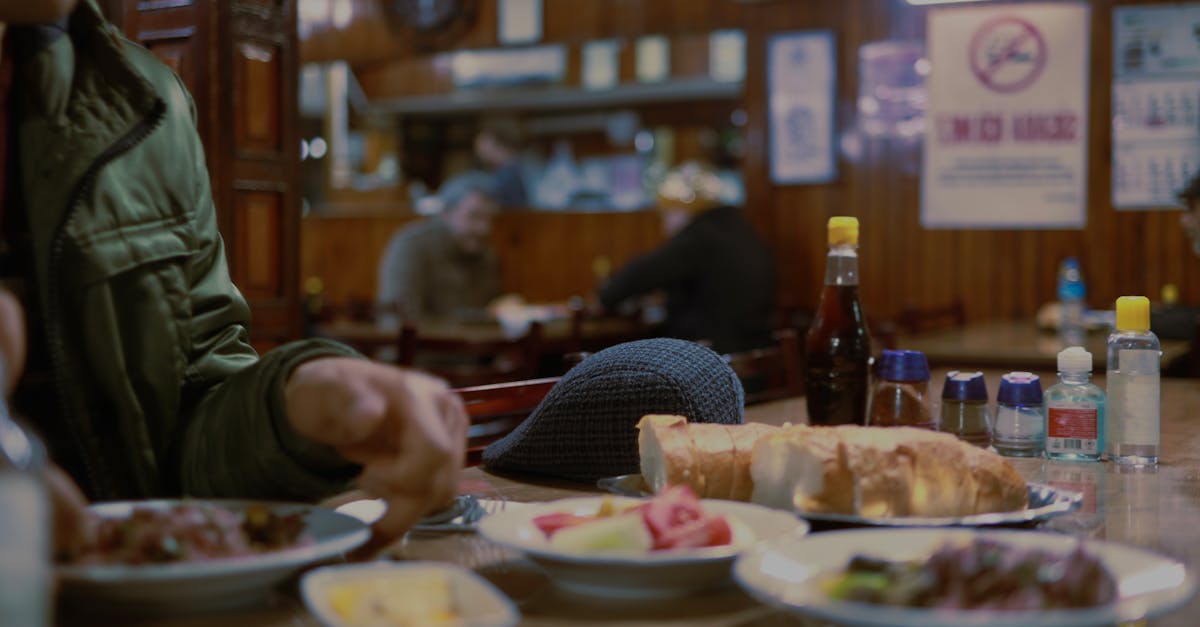
Savoring the Art de Vivre: Local Markets and Farm-to-Table Dining
 This photo was taken by esrannuur on Pexels.
Discovering Hidden Villages and Timeless Traditions
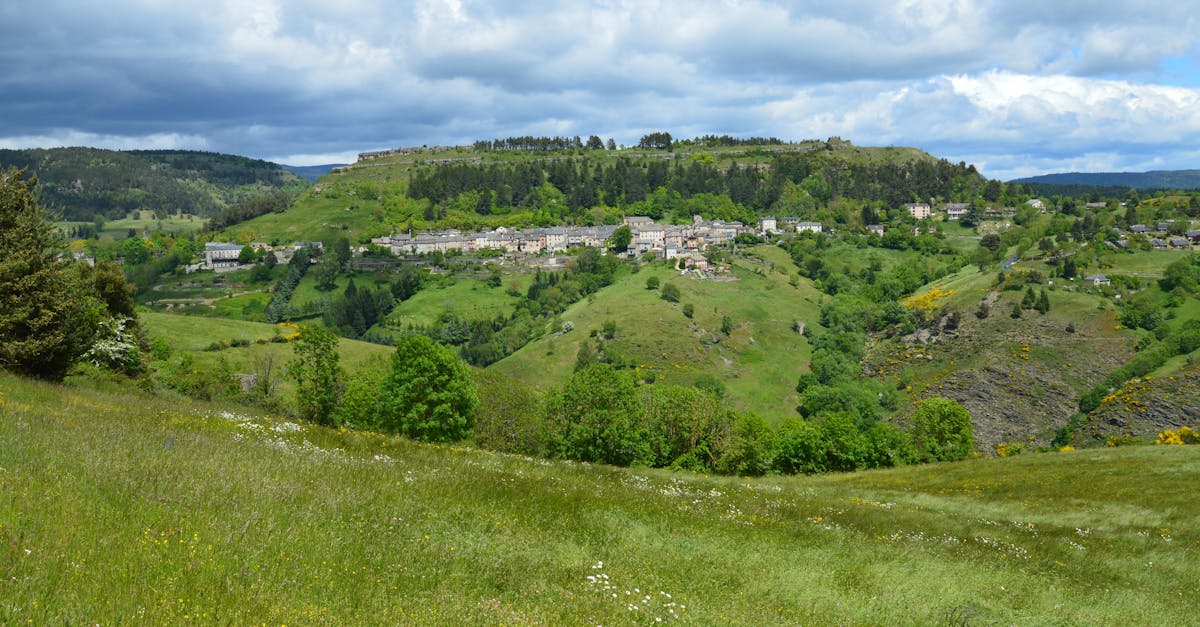
While the lavender fields of Valensole and the bustling markets of Avignon draw the crowds, the true soul of Provence lies in its forgotten hamlets perched atop sun-drenched hillsides. Venture off the main highways to discover villages like Gordes or Murs-de-Berris, where time seems to stand still amidst crumbling stone walls and cobblestone paths that have echoed with footsteps for centuries. Here, you can wander without a map, stumbling upon hidden chapels adorned with faded frescoes or family-run vineyards where the vines are tended by hands that have known the soil for generations. These quiet corners offer an intimate glimpse into a way of life that has resisted the rush of modern tourism, inviting visitors to simply sit on a village square bench, sip a glass of local rosé, and watch the world move at a pace dictated by the seasons rather than the clock.
Beyond the picturesque architecture, these rural enclaves serve as living museums of timeless traditions that define the Provençal identity. Participating in a village festival might mean joining a traditional fête des moissons, where locals dance the farandole under the stars, or attending a weekly market where grandmothers sell heirloom tomatoes and jars of homemade confit de canard prepared exactly as their ancestors did. In many of these communities, ancient rituals such as the olive harvest or the grape pressing remain communal events, blending work with celebration in a rhythm that has remained unchanged for hundreds of years. By engaging with these customs, travelers do more than just observe; they become part of a vibrant cultural tapestry, fostering genuine connections with residents who are eager to share the secrets of their heritage and the simple joys of country living.
 This photo was taken by SlimMars 13 on Pexels.