The Ultimate Guide to Navigating the French Train Network
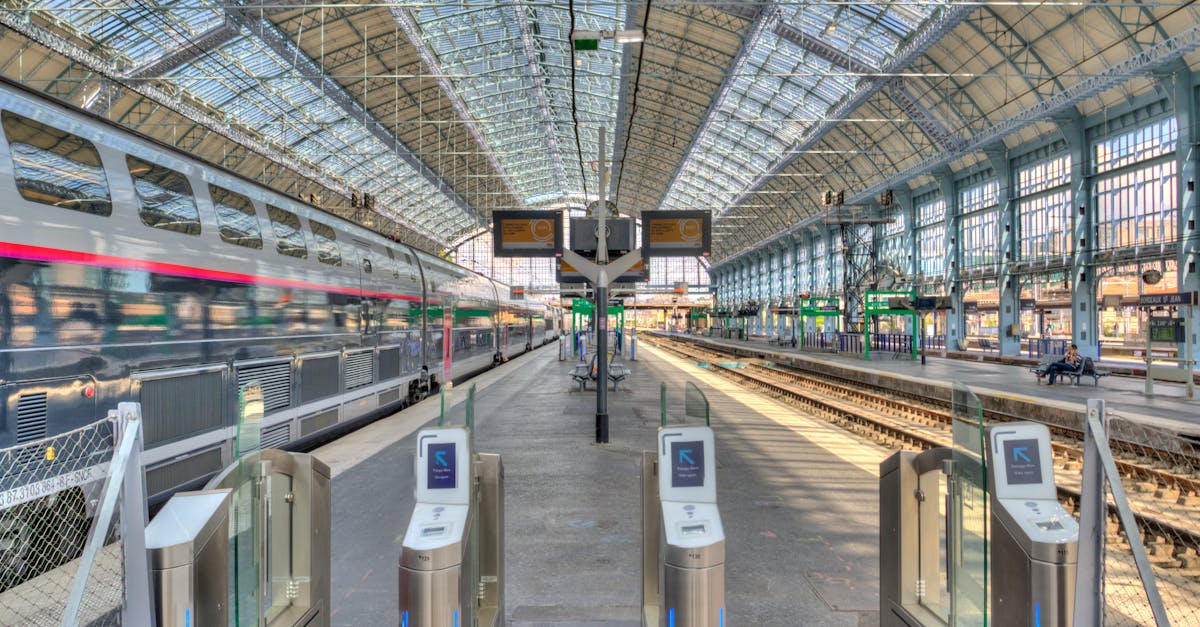 This photo was taken by ClickerHappy on Pexels.
Welcome to the heart of French travel! There is perhaps no better way to experience the diverse landscapes, from the sun-drenched vineyards of Provence to the historic cobblestones of Paris, than by rail. However, for first-time visitors, the French train network can sometimes feel like a labyrinth of acronyms and schedules. Fear not, as this guide is designed to be your personal companion in mastering the system. Whether you are planning a high-speed TGV dash between cities, an intimate Intercités journey through the countryside, or a local TER hop to discover hidden gems, we will walk you through everything you need to know. From understanding the major operators and securing the best tickets with our passes to navigating bustling stations and ensuring maximum comfort on board, get ready to glide across France with confidence and ease.
Understanding the Major Operators: TGV, Intercités, and TER
When embarking on your French adventure, understanding the primary rail operators is key to unlocking the country's vast landscape efficiently. The TGV (Train à Grande Vitesse) stands as the crown jewel of French travel, connecting major cities like Paris, Lyon, Marseille, and Bordeaux at breathtaking speeds up to 320 km/h; it is the preferred choice for long-distance journeys where time is of the essence. For those seeking a more traditional experience or routes not served by high-speed lines, Intercités offers reliable overnight and daytime services that link regional hubs with charming stops, often featuring scenic routes through the countryside and historic stations that evoke the golden age of rail travel.
Complementing these national networks are the TER (Transport Express Régional) trains, which form the vital backbone of local connectivity across all twenty-seven regions of France. Operated by individual regional authorities in partnership with SNCF, TER services are essential for reaching smaller towns, vineyards, and coastal villages that high-speed trains bypass, making them indispensable for travelers wishing to explore off-the-beaten-path destinations at a leisurely pace. While ticket prices vary significantly between these operators—with TGV requiring advance booking for the best rates and TER offering flexible regional passes—mastering the distinction between them ensures you can seamlessly transition from a swift intercity sprint to a relaxed exploration of rural France.
 This photo was taken by Jules Clark on Pexels.
Mastering Ticket Purchases and Passes for Seamless Travel
Securing your tickets for France's renowned rail network requires a bit of strategic planning, as the best fares are almost always found by booking in advance through the official SNCF Connect platform or their mobile app. While third-party aggregators exist, purchasing directly ensures you receive real-time updates on delays and seamless access to digital tickets that can be scanned right from your smartphone, eliminating the need for printed copies at busy stations like Gare de Lyon or Montparnasse. It is crucial to distinguish between high-speed TGV services, which operate on dynamic pricing models where costs soar closer to departure, and regional TER trains, which often offer fixed, affordable rates regardless of when you buy, allowing for more spontaneous travel within specific provinces.
For travelers planning an extensive itinerary across multiple regions, investing in a Navigo Découverte pass or a specific regional rail pass can significantly reduce costs compared to buying individual point-to-point tickets. These passes, particularly useful in the Île-de-France region or for unlimited travel within specific departments, require a simple photo attachment and offer unlimited journeys on metros, buses, trams, and RER trains, turning chaotic transfers into smooth transitions. However, remember that these local passes generally do not cover intercity TGV lines, so mastering the art of combining them with pre-booked long-distance tickets is the key to unlocking both the convenience and the affordability of navigating the French landscape efficiently.
 This photo was taken by Pixabay on Pexels.
Navigating Stations and Maximizing Your Journey Comfort
Once you step onto the platform, familiarizing yourself with the vibrant chaos of French stations like Gare du Nord or Lyon Part-Dieu is key to a smooth start. Look for the large digital departure boards displaying "Départs" and match your ticket's carriage number (Wagon) to the colored floor markings or signs on the platform edge; this ensures you board the correct section without last-minute scrambling. While many major hubs offer free Wi-Fi and comfortable waiting areas, remember that rush hour can be intense, so arriving 15 minutes early allows you to locate your spot calmly and observe local etiquette, such as keeping pathways clear and letting passengers exit before you enter.
To truly maximize your journey comfort, consider upgrading your experience beyond standard seating by exploring first-class options or booking specific seats in advance, which is highly recommended for high-speed TGV routes. Onboard, take advantage of the spacious legroom and dining car services found on most long-distance trains, but don't forget to bring your own snacks and water to enjoy while watching the picturesque French countryside unfold from your window. Whether you are traveling through the lavender fields of Provence or along the rugged Atlantic coast, dressing in layers and having a good book or downloaded entertainment ready will transform your transit time into an integral, relaxing part of your French adventure.
 This photo was taken by Skylar Kang on Pexels.