Train Travel in France: Navigating the TGV Network Like a Local
 This photo was taken by Rohit Verma on Pexels.
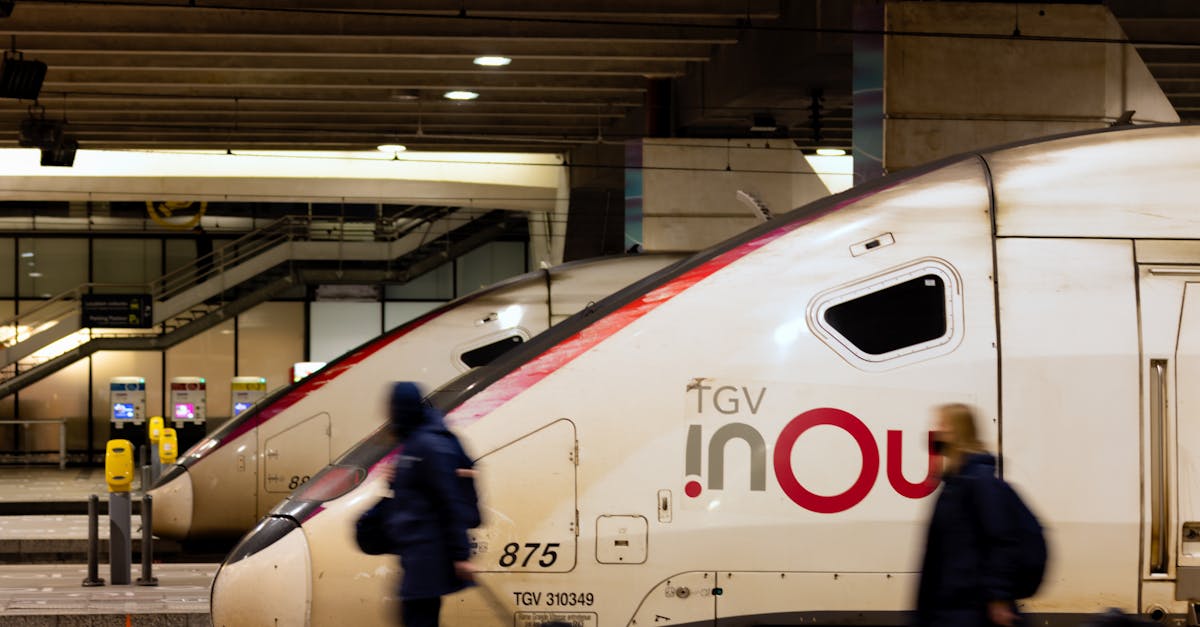
Welcome to the heart of French travel! There is a unique magic in gliding through the French countryside at 320 km/h, watching vineyards and medieval villages blur past your window as you journey from the bustling streets of Paris to the sun-drenched lavender fields of Provence. Yet, for many visitors, the vast SNCF network can feel like an intimidating maze rather than a seamless adventure. Fear not; this guide is designed to demystify the experience and help you navigate the system with the confidence of a true local. Whether you are looking to master the digital tools for seamless booking, selecting the perfect seat for your scenic route, or discovering the charm of slower regional trains that connect off-the-beaten-path treasures, we have everything you need to make your rail journey across France unforgettable.
Mastering the SNCF App: Booking and Boarding Like a Pro
Unlock the seamless experience of French rail travel by downloading the official SNCF Connect app before your journey begins, as it serves as your all-in-one digital concierge for navigating the TGV network. Unlike older ticketing systems, this modern platform allows you to compare real-time prices, select specific seats with window views of the countryside, and even book last-minute tickets at competitive rates that often beat third-party sites. Once you have secured your reservation, the app instantly generates a QR code on your smartphone, eliminating the need to print anything; simply tap your phone at the gate or show it to the conductor, ensuring a swift and eco-friendly boarding process that feels effortlessly local.
Mastering the app also means understanding its intelligent features that keep you informed throughout your trip, such as live delay notifications and platform changes that are updated seconds before they happen, preventing the anxiety of missed connections in busy stations like Gare de Lyon or Montparnasse. For those traveling between major cities, the app's "Seat Reservation" feature is invaluable, allowing you to reserve a table for two if you wish to enjoy a light meal while gliding through the vineyards of Burgundy or the lavender fields of Provence. By familiarizing yourself with these tools, you transform from a passive passenger into a confident traveler who navigates France's extensive high-speed rail system with the ease and precision of a seasoned Parisian commuter.
 This photo was taken by Erik Mclean on Pexels.
From Paris to Provence: Choosing Your Route and Seat
Embarking on a journey from the bustling streets of Paris to the sun-drenched lavender fields of Provence is one of France's most iconic rail experiences, but success lies in planning your route with the precision of a local. While the direct TGV lines whisk you from Gare de Lyon to Avignon or Aix-en-Provence in under two hours, savvy travelers often consider a scenic detour through Lyon or even stopping briefly in Valence to break up the trip and enjoy a quick café stop. When booking your ticket via SNCF Connect or at the station, remember that purchasing "Première" class offers more than just extra legroom; it grants access to exclusive lounges where you can savor a fresh croissant before departure, ensuring your transition from the city to the countryside begins in comfort rather than rush.
Once aboard, the choice of your seat can dramatically alter your sensory experience of the French landscape, so I always recommend selecting a window seat on the right side of the train when traveling south from Paris. As the train descends from the Île-de-France plateau and cuts through the Burgundy vineyards, this vantage point provides uninterrupted views of rolling hills and historic châteaux bathed in golden morning light. For afternoon departures, the perspective shifts, offering stunning vistas of the Rhône valley and the dramatic Mont Ventoux rising in the distance as you approach the Luberon region. By aligning your seat selection with the time of day and direction of travel, you transform a simple commute into a moving postcard, capturing the very essence of France's diverse geography before you even step off the platform.
 This photo was taken by Aleks Marinkovic on Pexels.
Hidden Gems of Regional Travel Beyond the TGV
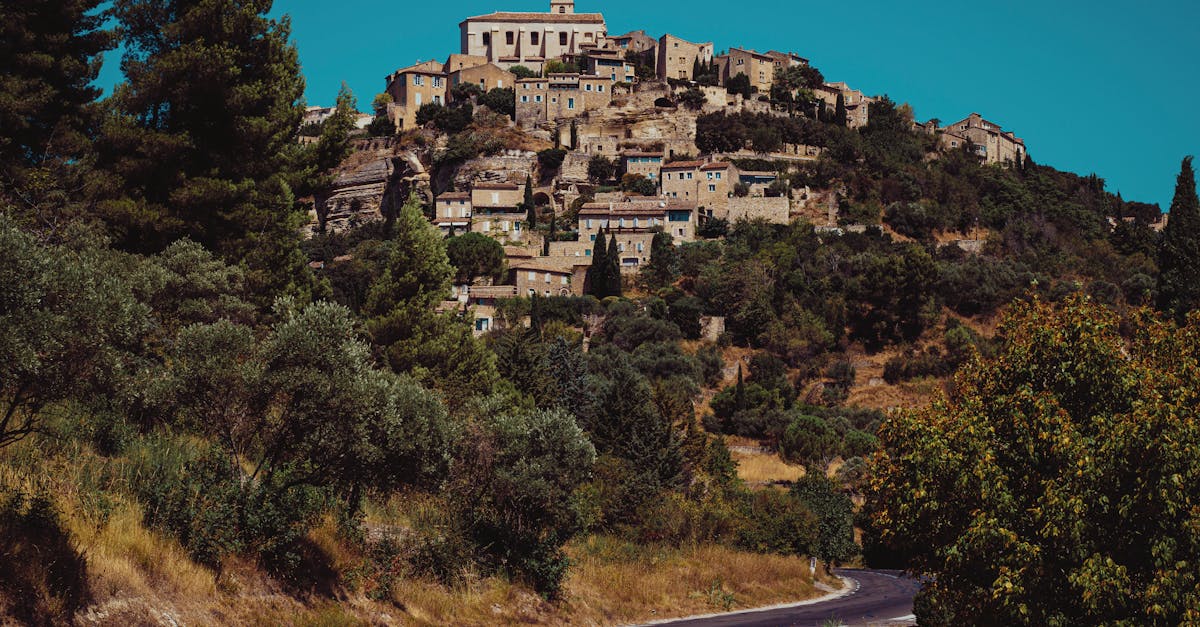
While the high-speed TGV connects major cities in a flash, the true soul of France often lies along the slower, scenic regional lines that weave through the countryside. By stepping off the beaten track to board TER (Transport Express Régional) trains, you unlock access to charming villages that feel frozen in time, such as the lavender-dusted hills of Provence or the medieval ramparts of Carcassonne's quieter neighbors. These journeys offer an intimate glimpse into daily French life, where locals chat over coffee and the landscape unfolds like a living painting, far removed from the sterile efficiency of the mainline stations.Embracing these regional routes also reveals culinary treasures and artisanal workshops tucked away in small towns that rarely make it onto standard tourist itineraries. Imagine sipping a crisp Loire Valley wine while watching the river glide by on a gentle train ride, or stopping in a tiny Breton village to taste fresh galettes straight from the oven. Traveling this way not only reduces your carbon footprint but also supports local economies, allowing you to experience the authentic rhythm of France without the crowds, proving that sometimes the most memorable moments are found in the journey itself rather than just the destination. This photo was taken by Tom D'Arby on Pexels.