Understanding French Etiquette: Do's and Don'ts for Tourists
 This photo was taken by cottonbro studio on Pexels.
Welcome to the heart of Europe, where history, art, and gastronomy converge in a tapestry as rich as its culture. As your guide through this enchanting land, I invite you to look beyond the postcard views of Paris and the lavender fields of Provence to truly embrace the French way of life. While France is renowned for its warm hospitality, navigating social interactions can sometimes feel like deciphering an elegant code. This post aims to demystify that code, offering you a practical roadmap to blending in with grace. We will explore the crucial importance of mastering the morning greeting, decode the intricate rules of dining from table manners to tipping etiquette, and share essential tips on respecting personal space and silence in our public squares. By understanding these subtle nuances, you won't just be a visitor; you'll be a welcomed guest ready to enjoy every moment of your French adventure.
Mastering the Art of Greetings: The Essential 'Bonjour'
In France, the simple act of saying "Bonjour" (or "Bonsoir" in the evening) is far more than a casual hello; it is the fundamental key to unlocking warmth and respect from locals. Unlike in many other cultures where one might approach a shopkeeper or waiter directly with a request, French etiquette dictates that you must always acknowledge the person's presence first. Failing to greet someone before asking for directions, ordering coffee, or even entering a small boutique can be perceived as rude or presumptuous, potentially leading to a cold reception. This initial greeting serves as a social contract, signaling that you recognize their humanity and are approaching them with politeness rather than entitlement.
To truly master this art, remember that the greeting should be tailored to the time of day and the setting, often accompanied by a firm handshake among acquaintances or a light cheek kiss ("la bise") depending on your relationship level and region. When addressing strangers, using "Monsieur," "Madame," or "Mademoiselle" after your "Bonjour" adds an extra layer of courtesy that is highly appreciated. By taking the extra second to offer a sincere "Bonjour" followed by the appropriate title, you demonstrate cultural awareness and immediately shift the dynamic from transactional to friendly, paving the way for a much richer and more welcoming experience throughout your travels in France.
 This photo was taken by Jean-Paul Wettstein on Pexels.
Dining Decoded: Table Manners and Tipping Customs
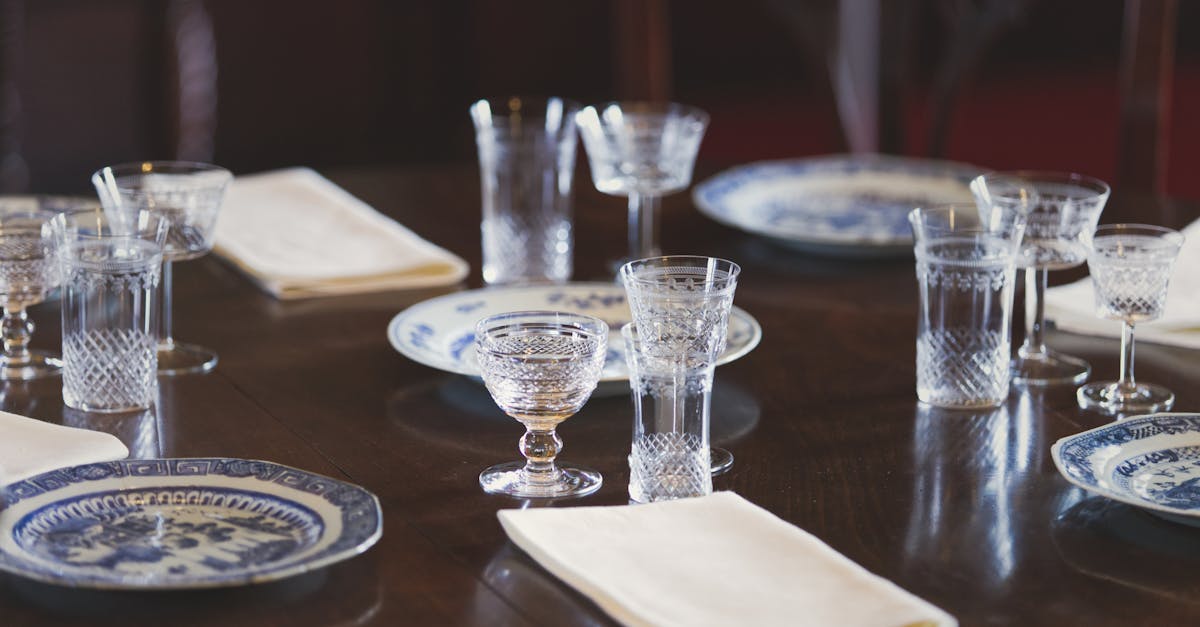
In the world of French dining, etiquette is a subtle art form that begins before you even pick up your utensils. Remember to keep both hands visible on the table, resting your wrists lightly on the edge rather than in your lap, and never start eating until the host says "Bon appétit." It is considered impolite to ask for cheese or bread to be served separately; instead, wait for the waiter to bring them as part of the meal service. Furthermore, avoid asking for substitutions like well-done steak or ketchup on fries, as these requests can be seen as a critique of the chef's craft. Embrace the rhythm of the meal, which is designed to be leisurely, savoring each course with conversation rather than rushing through it.
Tipping in France operates differently than in many other countries, so understanding this custom prevents awkwardness at the end of your meal. By law, a 15% service charge is automatically included in the bill, known as "service compris," so an additional tip is not obligatory. However, if you have received exceptional service, it is customary and appreciated to leave a small extra amount, such as rounding up the bill or leaving a few euros in coins on the table. Simply state "C'est pour vous" (this is for you) when handing over the extra money to make your intention clear. This gesture shows genuine appreciation without implying that the staff relies on tips to survive, respecting the local wage structure while acknowledging their hard work.
 This photo was taken by Thiago Oliveira on Pexels.
Navigating Public Spaces: Silence, Queues, and Personal Space
In France, the rhythm of public spaces is governed by an unspoken code of respect that often surprises first-time visitors. Silence is highly valued in environments like museums, libraries, and even on public transportation; loud conversations or phone calls are considered intrusive rather than friendly. When queuing for tickets, museum entry, or at a café counter, patience is paramount—cutting in line is a serious social faux pas that can lead to immediate disapproval from locals. Instead of rushing ahead, observe the natural flow of the crowd and wait your turn with a calm demeanor, understanding that orderly conduct reflects a collective appreciation for harmony.
Personal space is another crucial element of French etiquette, particularly in crowded metros or busy city streets where physical boundaries are strictly maintained. While Parisians may stand close together in a queue, they generally avoid unnecessary physical contact or prolonged eye contact with strangers, preferring a polite distance that preserves individual privacy. If you accidentally brush past someone, a brief "excusez-moi" is expected, but lingering stares or attempts to engage in conversation with those around you are discouraged. By respecting these invisible lines, tourists demonstrate cultural sensitivity and integrate more smoothly into the daily life of French society.
 This photo was taken by Abdessalem BENYAHIA on Pexels.