Versailles Unveiled: Mastering the Gardens and Palace of Versailles
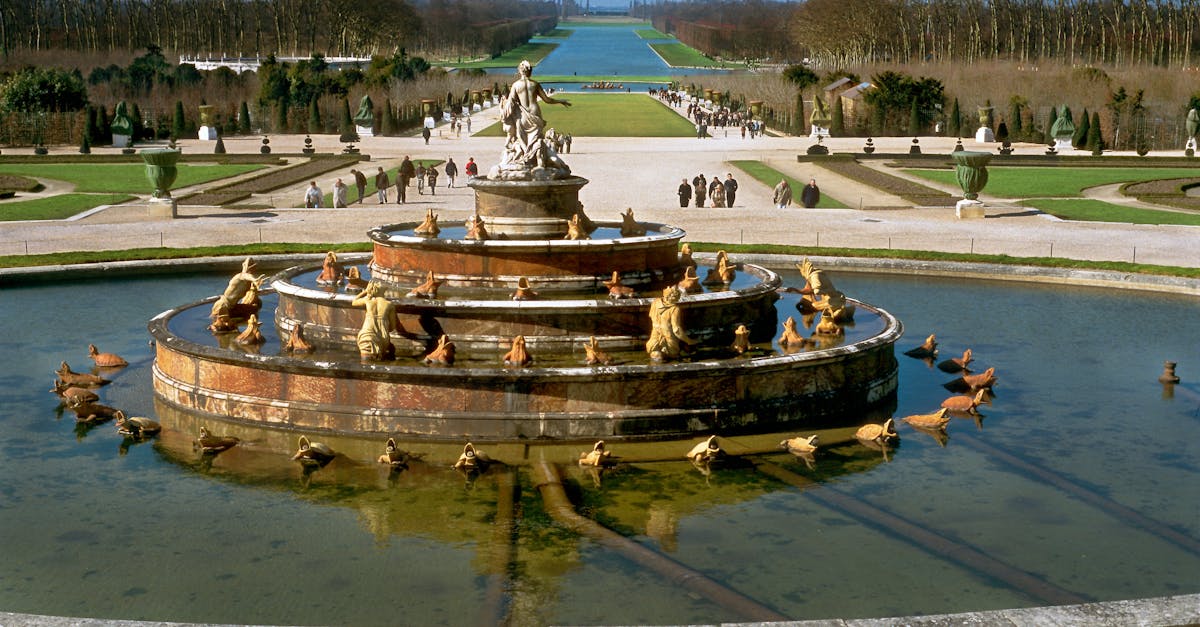 This photo was taken by David Henry on Pexels.
Welcome to the heart of French grandeur, where history comes alive under the golden sun. As your local guide through the magnificent estate of Versailles, I am thrilled to invite you on a journey that goes far beyond the postcard views. This palace is not merely a building; it is a symphony of architecture, art, and landscape design that defined an era. In Versailles Unveiled: Mastering the Gardens and Palace of Versailles, we will peel back the layers of this UNESCO World Heritage site to reveal its true splendor. From the dazzling reflections in the Hall of Mirrors to the serene waters of the Grand Canal and the intimate charm of the Trianon Palaces, get ready to discover the secrets that only those who know how to explore can find. Let us step inside and uncover the magic hidden within every stone and hedge.
Walking Through the Hall of Mirrors: A Guide to the Palace's Crown Jewel
Step into the breathtaking Hall of Mirrors, the absolute crown jewel of the Palace of Versailles, where 357 individual panes of glass reflect the grandeur of seventeen massive arched windows. Originally designed by Jules Hardouin-Mansart and decorated with the finest artisans of the late 17th century, this gallery was intended to dazzle visitors with an endless illusion of space and light that seemed to stretch beyond the physical limits of the room. As you walk along the polished marble floor, notice how the sunlight dances off the gilded columns and mirrors, creating a shimmering spectacle that once served as the ultimate stage for Louis XIV's courtly rituals and diplomatic triumphs.Beyond its architectural splendor, the Hall holds profound historical weight as the site where pivotal moments in world history unfolded, most notably the signing of the Treaty of Versailles in 1919 which ended World War I. While crowds often flock here, try to visit early in the morning or during the evening concerts to truly appreciate the acoustics and the intimate connection between the viewer and the artistry surrounding them. Whether you are tracing the footsteps of royalty or simply marveling at the sheer audacity of Baroque design, this corridor remains the emotional and visual heart of the palace, offering a timeless reminder of France's artistic legacy and political power. This photo was taken by Erik Mclean on Pexels.
Navigating the Grand Canal and Water Parterres in the Gardens
As you step beyond the Hall of Mirrors, the vast expanse of the Grand Canal invites you to lose yourself in a symphony of water and light. This 1.8-kilometer-long mirror reflects the sky above, offering a serene escape from the formal rigidity of the parterres below. To truly master this vista, consider renting a rowboat or joining a guided boat tour that glides silently across the surface, allowing you to appreciate the intricate sculptures of mythological figures that line the banks. Whether you choose to watch the sunset paint the water in hues of gold and violet or simply stroll along the tree-lined paths, the canal serves as the grand finale of the garden's axial design, reminding visitors that Versailles was built not just for display, but for contemplation.
Navigating the Water Parterres requires a keen eye for detail, as these geometric masterpieces are designed to be viewed from elevated vantage points like the terrace of the palace itself. Here, fountains erupt in synchronized choreography, their jets creating rhythmic patterns that dance against the backdrop of meticulously trimmed hedges and blooming flowers. While exploring on foot, take your time tracing the complex pathways that lead to hidden grottos and ornamental basins, each telling a story of French hydraulic engineering and artistic prowess. Remember that the fountains operate on a strict schedule depending on the season, so checking the daily program is essential to witness the full spectacle of water dancing under the sun, transforming the entire garden into a living, breathing work of art.
 This photo was taken by Ilya Sobolev on Pexels.
Secrets of the Trianon Palaces: Beyond the Main Estate
While the grandeur of the Palace of Versailles often commands all attention, the true magic for the discerning traveler lies in the secluded Trianon Palaces, a realm designed for privacy and intimate leisure. The Petit Trianon, a gift from Louis XV to Madame de Pompadour and later a sanctuary for Marie Antoinette, offers a stark contrast to the opulent halls of the main château with its neoclassical elegance and the famous Queen's Hamlet nearby. Here, you can wander through the fragrant gardens that once inspired the Queen's pastoral fantasies, exploring rustic cottages and winding paths that feel worlds away from the rigid formality of the court, providing a serene escape into an 18th-century idyll.
Just steps away stands the Grand Trianon, originally built by Louis XIV as a retreat from the suffocating etiquette of the main palace, now showcasing a breathtaking blend of pink marble and lush greenery. This architectural masterpiece invites you to step inside rooms adorned with exquisite porcelain cabinets and vibrant tapestries, where emperors like Napoleon held their most significant councils. By venturing beyond the main estate to these quieter corners, visitors uncover a more personal narrative of French history, discovering how royalty sought refuge in beauty and tranquility, making your journey through Versailles a complete immersion into both public spectacle and private life.
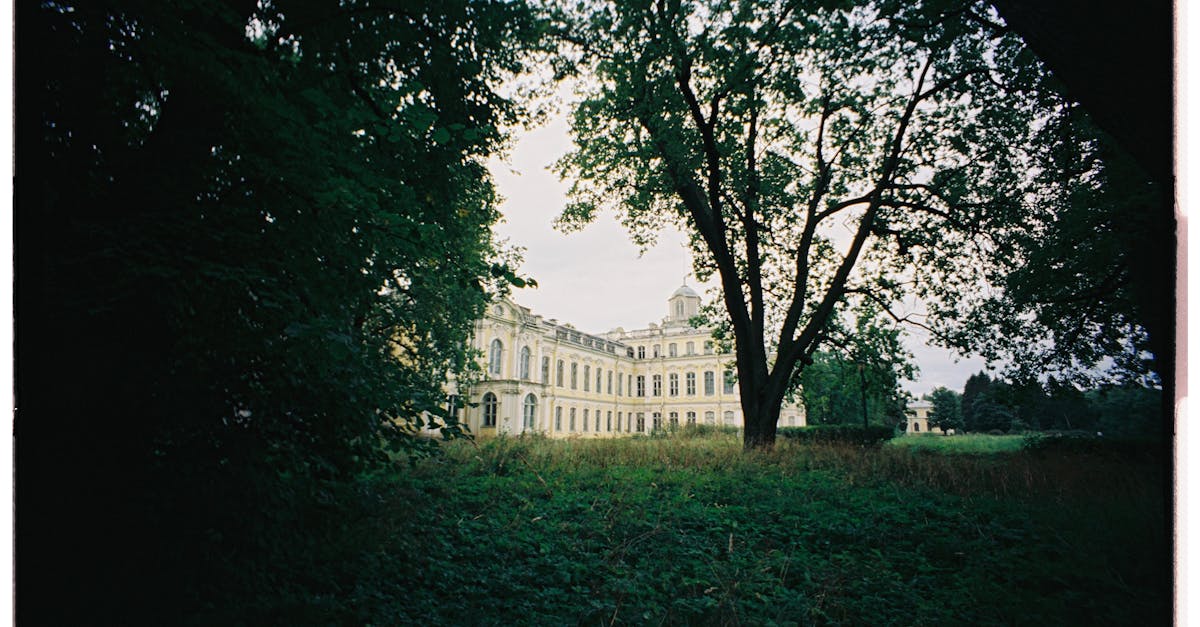 This photo was taken by Elena Golovchenko on Pexels.