Wine Lovers' Paradise: Navigating Bordeaux, Burgundy, and Champagne
 This photo was taken by Tim Durand on Pexels.
Welcome, fellow travelers, to the heart of French viticulture! France is not merely a country; it is an open-air museum where every glass tells a story of centuries-old tradition, meticulous craftsmanship, and landscapes sculpted by nature itself. Today, we embark on a sensory journey through three of its most legendary regions: Bordeaux, Burgundy, and Champagne. Whether you are captivated by the bold tannins of the Left Bank, the ethereal elegance of Burgundian Pinot Noir, or the festive sparkle that defines celebration, this guide will be your compass. Prepare to uncork the secrets of iconic estates, explore the subtle nuances of terroir, and discover why these regions remain the ultimate paradise for wine lovers from around the globe.
Bordeaux: A Journey Through Iconic Left and Right Bank Estates
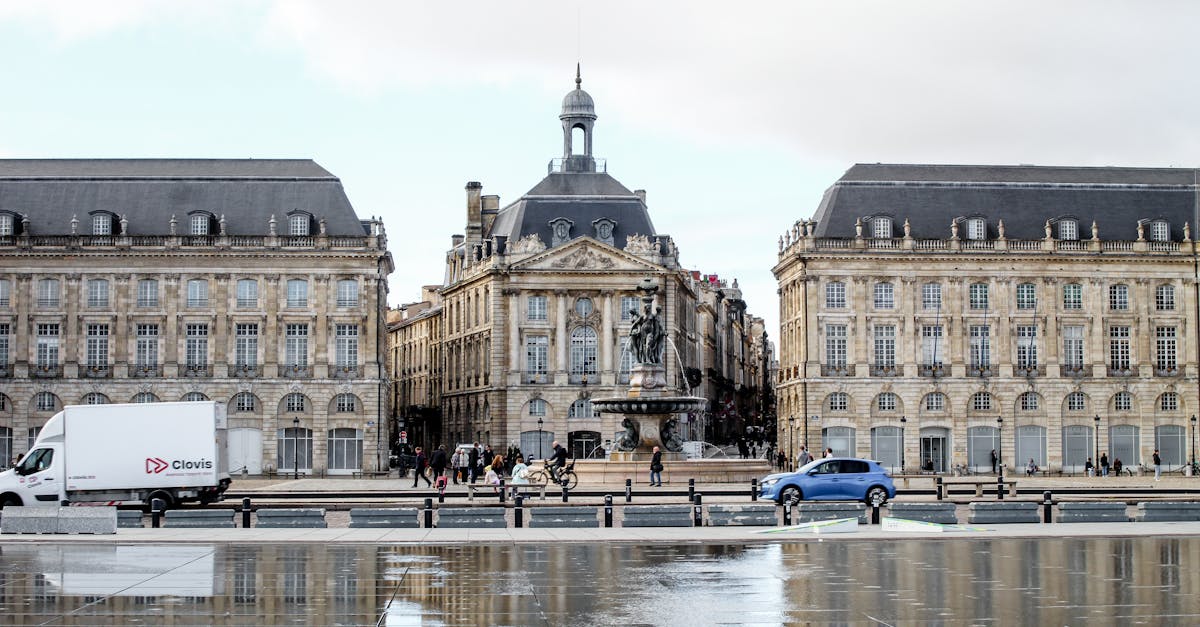
Navigating the Left Bank of Bordeaux is akin to stepping into a living museum of aristocratic winemaking, where the gravelly soils of Médoc and Graves give birth to powerful, tannic reds dominated by Cabernet Sauvignon. Visitors can wander through centuries-old châteaux like Château Margaux or Château Latour, tracing the lineage of wines that have graced royal tables for generations, while enjoying guided tastings that delve deep into the art of blending and the unique microclimates of each appellation. The journey here is defined by grandeur and tradition, offering an immersive experience into the heart of France's most prestigious wine region, where every bottle tells a story of terroir passed down through countless vintages.
In stark contrast, the Right Bank offers a more intimate and lush landscape, renowned for its Merlot-dominated blends that produce velvety, fruit-forward wines with exceptional approachability. This side of the Gironde estuary, home to legendary names such as Saint-Émilion and Pomerol, invites travelers to explore rolling vineyards dotted with medieval villages and hidden cellars carved directly into the limestone bedrock. Here, the atmosphere is slightly more relaxed yet equally profound, allowing wine enthusiasts to savor the distinct character of these estates where the soil's clay content imparts a richness and elegance that defines the southern charm of Bordeaux's viticultural heritage.
 This photo was taken by Lucas Negredo Sagarzazu on Pexels.
Burgundy: Unveiling the Terroir of Pinot Noir and Chardonnay
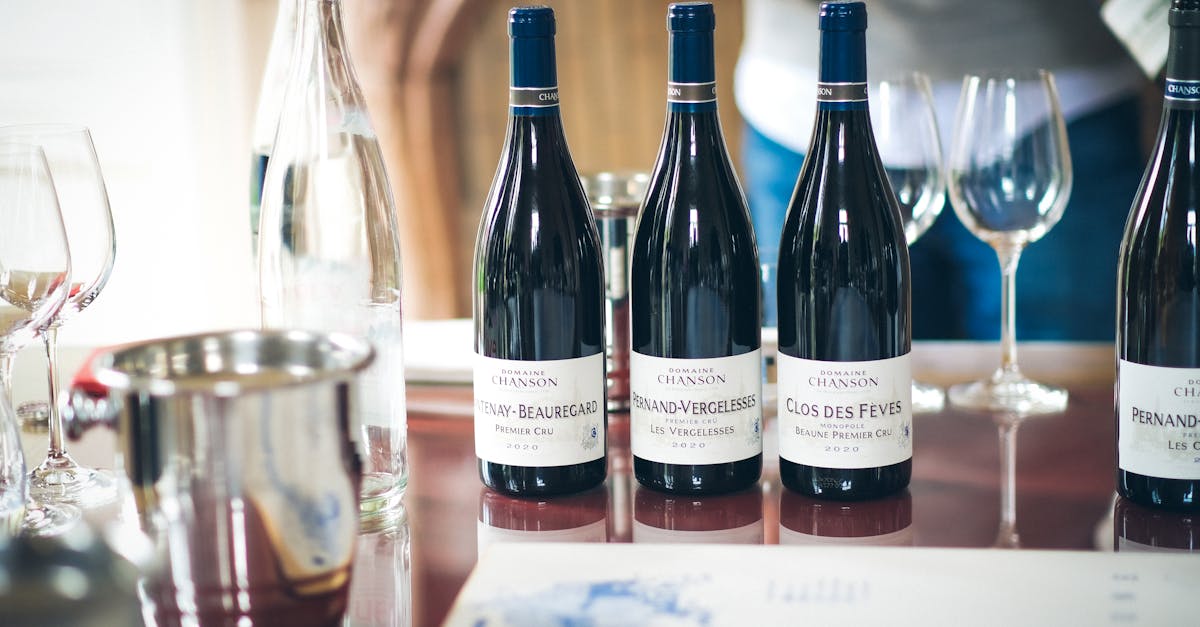
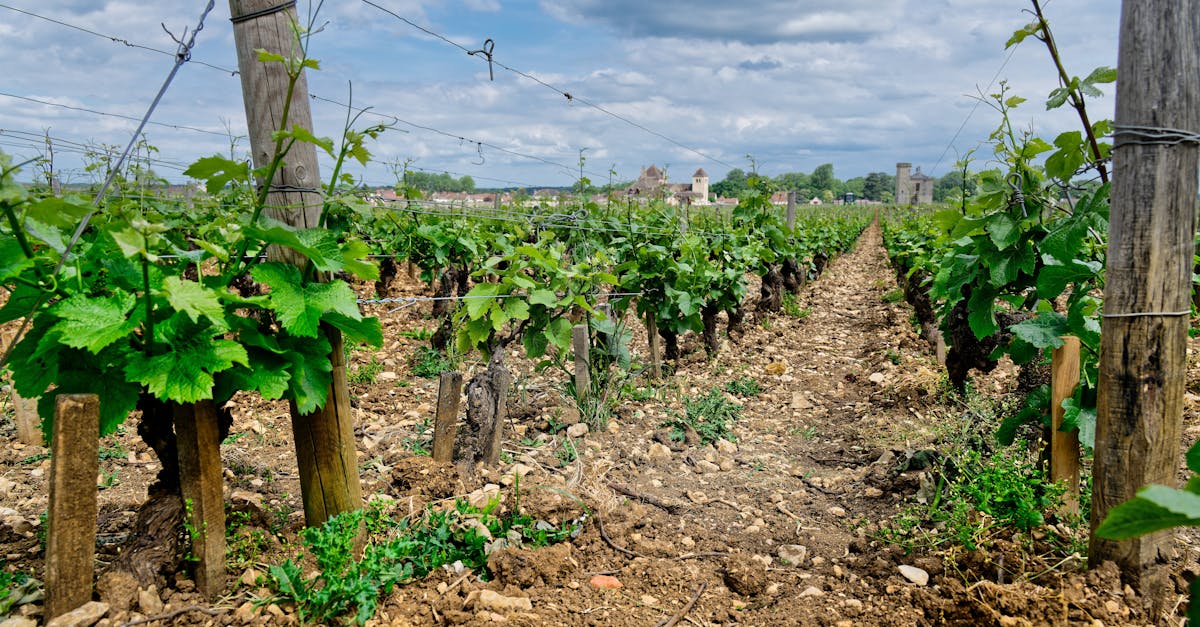
Nestled in eastern France, Burgundy (Bourgogne) offers a profound journey into the soul of winemaking, where the concept of terroir is revered above all else. Here, the rolling vineyards of the Côte d'Or are not merely landscapes but living laboratories where Pinot Noir and Chardonnay express the unique geological fingerprints of their specific plots. As you wander through the historic villages of Gevrey-Chambertin or Meursault, you will discover that a mere few meters of soil can transform a grape's character, creating wines with an elegance and complexity that define the region's global reputation. The air itself seems to carry the essence of these grapes, inviting visitors to explore the grand crus and lesser-known climats that have been cultivated for centuries.
A true pilgrimage for any wine enthusiast involves tasting the fruits of this laborious tradition, often best experienced by visiting the family-owned domaines scattered across the countryside. In the white wine regions like Puligny-Montrachet, Chardonnay shines with a buttery richness and crisp minerality, while the reds from Nuits-Saint-Georges showcase the delicate balance of Pinot Noir, offering notes of cherry, earth, and spice. Beyond the glass, the region invites you to savor the local gastronomy, pairing these exceptional vintages with rich dishes like Coq au Vin or Boeuf Bourguignon, which have long been designed to complement the acidity and structure of the wines. Whether you are touring the ancient cellars of Beaune or enjoying a picnic among the vines, Burgundy remains an unforgettable testament to the harmony between nature and human craftsmanship.
 This photo was taken by Gu Bra on Pexels.
Champagne: Bubbles, History, and The Art of Celebration
 This photo was taken by Atlantic Ambience on Pexels.