Wine Tasting 101: A Beginner's Guide to Bordeaux
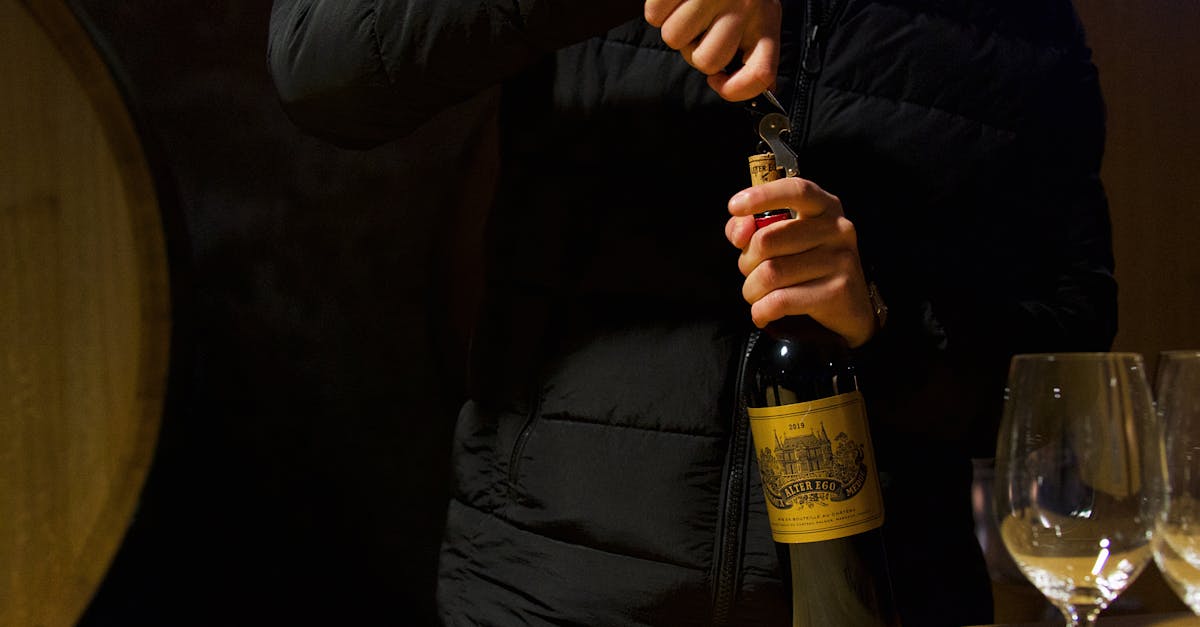 This photo was taken by Liv Kao on Pexels.
Bienvenue in the heart of French viticulture! If you have ever dreamed of wandering through the legendary vineyards of Bordeaux, sipping a glass of world-renowned wine, and understanding the secrets behind every bottle, you have come to the right place. As your local guide, I am thrilled to welcome you to "Wine Tasting 101," a journey designed specifically for beginners eager to explore this iconic region. In this post, we will navigate the distinct terroirs that define the Bordeaux wine regions, decode the complex labels to reveal their grape varieties and classifications, and finally, master the art of tasting with a simple, step-by-step guide. Whether you are planning a trip to the Gironde or simply wish to enhance your wine knowledge from home, let us raise our glasses and begin this delicious adventure together.
Understanding the Bordeaux Wine Regions
Bordeaux, the world's most famous wine region, is a vast and diverse landscape divided by the Gironde Estuary into two distinct territories: the Left Bank and the Right Bank. The Left Bank, home to legendary appellations like Médoc and Saint-Émilion (though technically on the right, it is often grouped in broader discussions), is renowned for its Cabernet Sauvignon-dominated blends that produce structured, tannic reds with notes of blackcurrant and cedar. In contrast, the Right Bank, including prestigious areas such as Pomerol and Saint-Émilion proper, favors Merlot, resulting in wines that are generally softer, fruitier, and more approachable in their youth. Understanding this geographical split is crucial for any beginner, as it dictates the flavor profile you will encounter in your glass.
When exploring these regions, remember that Bordeaux is defined by its terroir—the unique combination of soil, climate, and topography that gives each vineyard its character. The gravelly soils of the Left Bank retain heat and drain water efficiently, perfect for ripening Cabernet Sauvignon, while the clay-rich lands of the Right Bank keep moisture longer, ideal for the water-loving Merlot grape. As a visitor, you will find that visiting a chateau here is not just about tasting; it is an immersion into centuries of history and meticulous craftsmanship. Whether you are sipping a bold Pauillac or a velvety Saint-Émilion Grand Cru, the diversity of flavors across these sub-regions offers an unforgettable journey for every palate.
 This photo was taken by Pixabay on Pexels.
Decoding the Labels: Grape Varieties and Classifications
Navigating the intricate world of Bordeaux begins with understanding its unique labeling system, which often prioritizes the estate's name over the grape variety itself. Unlike New World wines where labels proudly display "Cabernet Sauvignon" or "Merlot," a Bordeaux bottle typically features the château name and appellation, requiring you to decode the blend based on the region. In the Left Bank, such as Pauillac or Margaux, Cabernet Sauvignon reigns supreme, providing structure and dark fruit notes, while Merlot dominates the Right Bank in Saint-Émilion and Pomerol, offering softer, plum-like flavors. By learning these regional signatures, you can confidently predict the wine's profile before even taking a sip, transforming a confusing label into a map of your tasting journey.
Beyond the grapes, the official classifications serve as a historical guide to quality and prestige, though they are not always synonymous with today's best value. The 1855 Classification, established for the Exposition Universelle de Paris, famously ranked the Left Bank estates from First Growth (Premier Cru) to Fifth Growth, creating a legacy that still dictates price and perception at prestigious châteaux like Lafite Rothschild. Conversely, the Right Bank relies on its own distinct systems, such as the Saint-Émilion classification updated every decade, or the Crus Bourgeois designation for high-quality estates outside the top tier. As a beginner, remember that while Grand Cru Classé status guarantees excellence, exploring lesser-known appellations within these regions often yields exceptional character and remarkable value, allowing you to savor the diversity of Bordeaux without breaking the bank.
 This photo was taken by wal_ 172619 on Pexels.
Mastering the Art of Tasting: A Step-by-Step Guide
To truly master the art of tasting in Bordeaux, begin by engaging your senses methodically, starting with the "eye" stage. Hold your glass against a white background to assess the wine's clarity and viscosity; in this region, you will often notice deep ruby hues in young reds or golden amber tones in aged whites, while the legs that slowly trickle down the glass can hint at its alcohol content and body. Once visual inspection is complete, gently swirl the liquid to release those complex aromas trapped within, then take a short, sharp sniff before extending into a deeper inhale. Here, you are hunting for the classic Bordeaux notes: think blackcurrant and cedar in Left Bank Cabernet Sauvignon, or delicate floral hints and ripe plum in Right Bank Merlot blends.
The final and most crucial step is the palate, where you take a moderate sip and let the wine coat your entire mouth, drawing in a little air to aerate it further. Pay close attention to the balance between acidity, tannins, and fruit; Bordeaux wines are renowned for their structured tannins, which should feel silky rather than harsh, providing a framework that supports the rich flavors of dark berries or earthy truffles. As you swallow, focus on the finish—the lingering aftertaste that reveals the wine's quality and length. A great Bordeaux will leave you with a clean, persistent sensation of flavor that encourages you to take another sip, inviting you to savor the terroir of this legendary French vineyard.
 This photo was taken by John Taran on Pexels.