Wine Tasting 101: A Beginner's Guide to Bordeaux and Burgundy
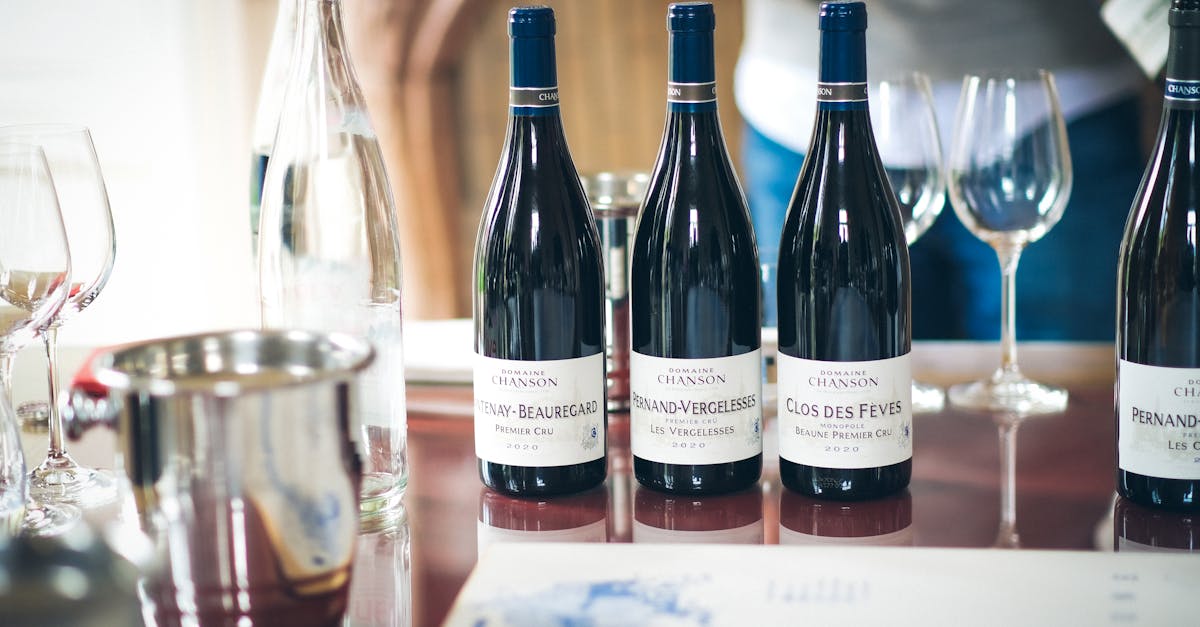 This photo was taken by Tim Durand on Pexels.
Bonjour and welcome to the heart of French viticulture! If you have ever found yourself standing before a wine list, overwhelmed by the distinct reputations of Bordeaux and Burgundy, you are in the right place. These two legendary regions offer vastly different experiences: from the powerful, blended reds of the Left and Right Banks to the elegant, terroir-driven Pinot Noirs of the Côte d'Or. In this guide, we will embark on a journey to demystify these world-class wines, helping you understand how the unique soil and climate shape their flavors, decode the complex labels that often seem like a secret code, and master the art of tasting like a true connoisseur. Whether you are planning a trip to the Gironde or the rolling hills of Burgundy, get ready to raise your glass and discover the magic of French winemaking.
Understanding the Terroir: Bordeaux vs. Burgundy
When exploring the world of French wine, understanding terroir is the key to unlocking the unique character of each region. In Bordeaux, located on the Atlantic coast, the terroir is defined by its gravelly soils and maritime climate, which favor a blend of grape varieties like Cabernet Sauvignon and Merlot. This approach creates powerful, structured red wines where the fruit profile often evolves with age, reflecting the subtle interplay between the river Gironde's influence and the diverse soil compositions of its appellations. Conversely, Burgundy, nestled in eastern France with a cooler continental climate, places an almost religious emphasis on single varietals, primarily Pinot Noir for reds and Chardonnay for whites. Here, the concept of terroir is paramount; tiny variations in slope, aspect, and limestone content create distinct "climats" that impart specific mineral notes and delicate aromatics, making each vineyard plot a unique expression of its exact location.
For the beginner, distinguishing between these two giants means recognizing their different philosophies: Bordeaux offers complexity through blending, while Burgundy seeks purity through singular focus. Tasting a Bordeaux often reveals layers of dark fruits, cedar, and tobacco, supported by robust tannins that invite long-term cellaring, whereas a Burgundy typically presents itself with brighter red fruit, earthy undertones, and a silky texture that demands immediate attention to its nuance. Whether you are wandering the grand châteaux along the Garonne River or tracing the historic routes of the Côte d'Or, the journey through these regions is not just about tasting wine, but about experiencing the very soul of the French landscape as captured in every glass.
 This photo was taken by Marcelo Verfe on Pexels.
Decoding the Labels: A Guide to Classifications and Grapes
Navigating the intricate world of French wine begins with understanding the strict labeling laws that distinguish Bordeaux from Burgundy, two regions where history is bottled in every glass. In Bordeaux, labels are typically straightforward, prioritizing the estate name or the specific appellation like Pauillac or Saint-Émilion, which immediately signals a blend dominated by Cabernet Sauvignon and Merlot depending on the Left or Right Bank terroir. Conversely, Burgundy's classification system is a complex hierarchy based strictly on geography and vineyard quality, ranging from regional appellations to the prestigious Grand Cru and Premier Cru designations; here, the grape variety is rarely mentioned on the front label because Pinot Noir and Chardonnay are assumed for red and white wines respectively, placing the focus entirely on the specific plot of land where the grapes were grown.To truly appreciate these nuances, a beginner must look beyond the brand names and decode the subtle clues regarding grape composition and aging potential found on the back label or official tasting notes. While Bordeaux blends offer robust structures with varying degrees of oak influence designed for long-term cellaring, Burgundies often display a more delicate, terroir-driven character that reflects the specific microclimate of their single-vineyard origins. Familiarizing yourself with these distinctions not only demystifies the price differences between a standard village wine and a classified growth but also empowers you to select a bottle that perfectly matches your palate, whether you seek the bold, tannic power of a Left Bank Cabernet or the elegant, earthy complexity of a Côte de Nuits Pinot Noir. This photo was taken by wal_ 172619 on Pexels.
Mastering the Pour: Tasting Techniques for Red Wines
To truly appreciate the complex profiles of Bordeaux and Burgundy, one must first master the art of the pour, as the quantity you serve directly influences your sensory experience. For red wines, a standard tasting pour is approximately 50 milliliters—roughly the size of a golf ball—which provides enough liquid to swirl vigorously without spilling while allowing the wine's aromas to concentrate in the glass. When visiting the vineyards of Saint-Émilion or the Côte de Nuits, hold the bottle by the neck and pour slowly along the side of the glass to minimize oxidation until you reach this precise level; this technique preserves the delicate tannins and fruit notes essential for evaluating the terroir that defines these legendary regions.
Once the wine is poured, the next critical step is the "nosing" phase, where you gently swirl the glass to release volatile aromatic compounds before taking small, deliberate sips. In Bordeaux, focus on detecting the structure of Cabernet Sauvignon or Merlot through layers of blackcurrant, cedar, and tobacco, while in Burgundy, let your palate guide you toward the earthy nuances of Pinot Noir, such as wild cherry, forest floor, and subtle spice. By tilting the glass slightly against a white background, you can also observe the wine's viscosity and color depth, which offers clues about its age and grape variety, turning a simple drink into an immersive journey through France's most prestigious wine-growing landscapes.
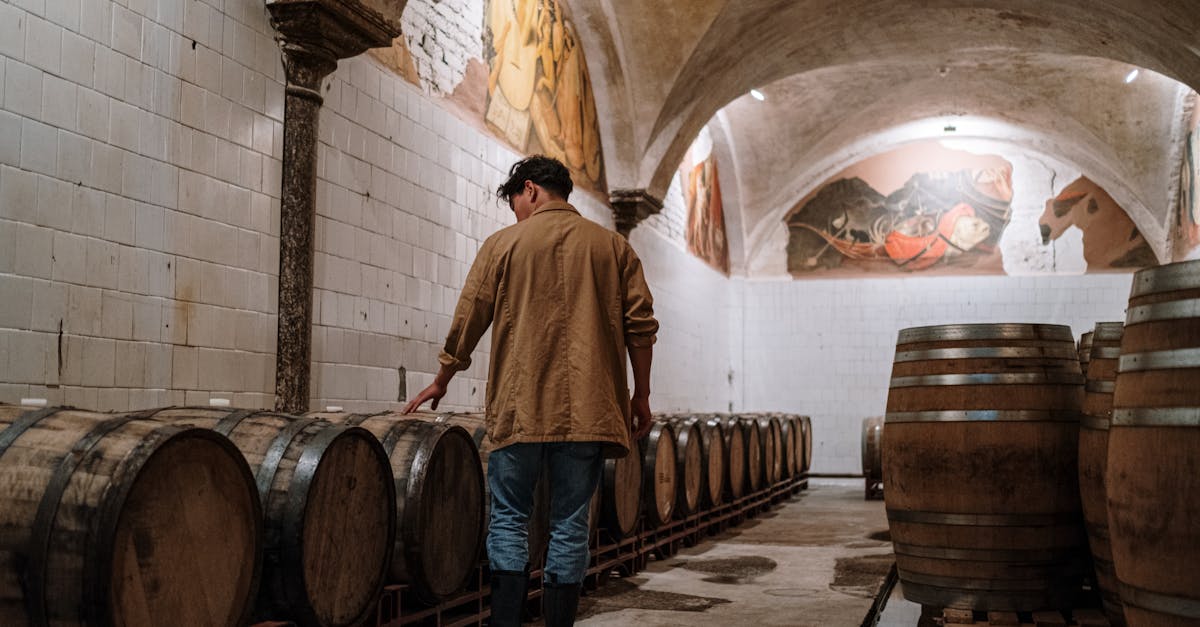 This photo was taken by cottonbro studio on Pexels.