Wine Tasting 101: A Beginner's Tour of Bordeaux and Burgundy
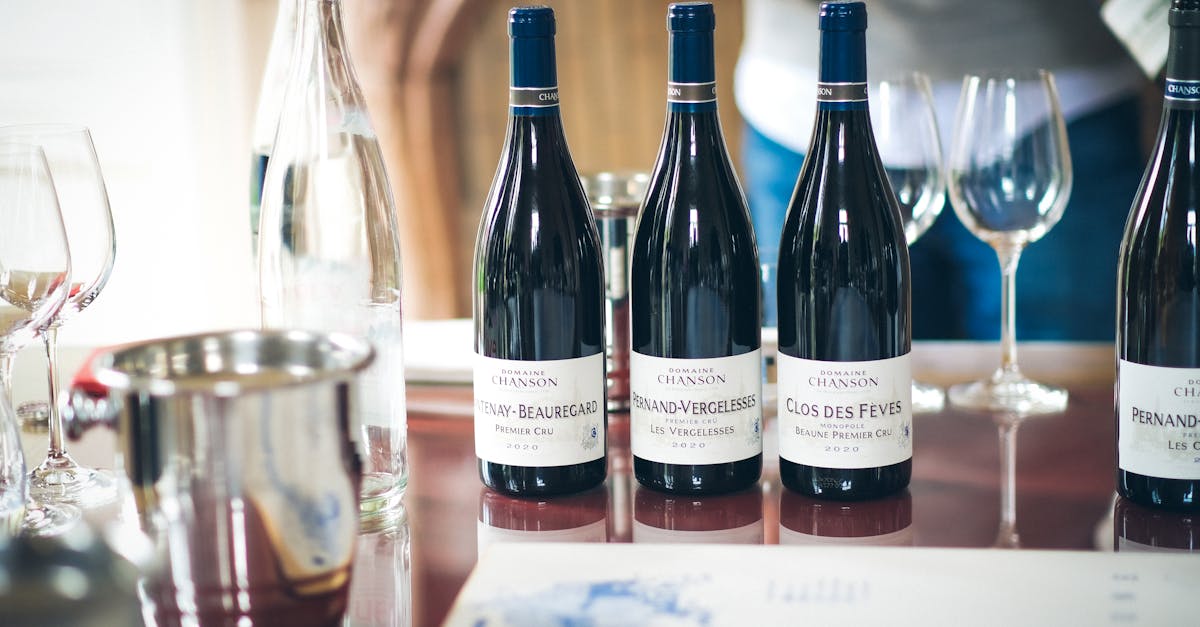 This photo was taken by Tim Durand on Pexels.
Welcome to the heart of French viticulture! If you have ever dreamed of sipping world-renowned wines while wandering through centuries-old vineyards, your journey begins here. In this post, we will guide you through two of France's most legendary regions: Bordeaux and Burgundy. Whether you are a novice or simply looking to deepen your appreciation, we will demystify the unique terroir that sets these regions apart, offering you a practical roadmap for navigating their distinct landscapes. From mastering the art of tasting to understanding the subtle etiquette and perfect food pairings, get ready to elevate your French wine experience with confidence and style.
Understanding the Terroir: Bordeaux vs. Burgundy
To truly appreciate French wine, one must first grasp the concept of terroir, the unique environmental conditions that give a region its distinct character. In Bordeaux, this terroir is defined by a maritime climate and gravelly soils that favor robust red blends dominated by Cabernet Sauvignon and Merlot, resulting in wines known for their structure, elegance, and aging potential. The vast vineyards here are often divided into prestigious châteaux, where the focus is on blending different grape varieties to achieve a perfect balance between fruit, tannin, and acidity, creating a sophisticated profile that reflects the specific appellation's history.
Conversely, Burgundy offers a dramatically different experience where the terroir is revered above all else, with a strong emphasis on single-varietal expressions, primarily Pinot Noir for reds and Chardonnay for whites. The climate here is continental, leading to vintage variations that are felt more acutely than in Bordeaux, while the soil composition varies so minutely from one plot to the next that the same grape can produce entirely different wines just meters apart. A tasting tour through Burgundy feels like a geological exploration, inviting you to discover how subtle differences in slope, aspect, and limestone content create a complex tapestry of flavors ranging from earthy and mineral to vibrant and floral, celebrating the purity of the grape rather than the art of the blend.
 This photo was taken by Marcelo Verfe on Pexels.
Navigating the Vineyards: A Beginner's Tasting Guide
Stepping into the rolling hills of Bordeaux or the sun-drenched slopes of Burgundy is less about memorizing complex varietals and more about awakening your senses to the unique character of each terroir. In Bordeaux, where the blend is king, begin by observing the deep ruby hues of a Cabernet Sauvignon-dominated wine from the Left Bank, noting its structured tannins and notes of blackcurrant that speak to the gravelly soil. Conversely, when you venture into Burgundy's Côte d'Or, shift your focus to the delicate elegance of Pinot Noir; here, the aroma might unfold with hints of wild cherry and forest floor, reflecting the limestone-rich earth where this grape thrives. Remember, there are no wrong answers in tasting—simply swirl the glass to release those aromatic compounds, take a gentle sip, and let the flavors linger on your palate to understand how the French climate and geography shape every bottle.
To truly navigate these vineyards like a local, embrace the ritual of pairing your tasting with regional gastronomy, which acts as the perfect companion to unlock deeper flavors. In Bordeaux, a glass of rich Merlot pairs beautifully with the hearty beef stews or duck confit found in traditional bistros, while in Burgundy, the acidity of a Chablis cuts through the richness of buttery escargots or creamy cheeses like Époisses. Don't hesitate to ask your sommelier for their "glass du jour" recommendation; they often know exactly which bottle best represents the current vintage and offers the most value. By approaching each tasting with curiosity rather than pressure to be an expert, you will find that the journey through France's most famous wine regions becomes a memorable conversation between you, the land, and the winemaker behind the label.
 This photo was taken by Mike Bird on Pexels.
Essential Etiquette and Pairing Tips for Your French Journey
When embarking on your wine journey through the vineyards of Bordeaux and Burgundy, mastering local etiquette is just as important as understanding the grapes. In French cellars, it is customary to wait for the host to pour before tasting; never serve yourself directly from the bottle unless explicitly invited to do so. Take a moment to appreciate the "legs" of the wine swirling in your glass, but avoid making loud noises or clinking glasses excessively during formal tastings. Furthermore, always remember that while wine is central to the meal, water should be consumed alongside it to cleanse the palate, and offering a sincere compliment about the terroir or the winemaker's craft will be warmly received by your hosts.
Pairing your wines with food requires a keen eye for regional traditions, particularly when distinguishing between the bold structures of Bordeaux and the earthy elegance of Burgundy. For the robust Cabernet Sauvignon blends found in Left Bank Bordeaux, think rich red meats like lamb or beef stew, where the tannins cut through the fat beautifully. Conversely, Burgundy's Pinot Noir pairs exquisitely with lighter fare such as coq au vin, mushroom risotto, or even roasted duck, allowing the wine's delicate fruit notes to shine without being overwhelmed. Whether you are sipping a crisp Chablis with oysters in Burgundy or enjoying a Merlot-based blend with duck confit in Bordeaux, letting the local cuisine guide your selection ensures an authentic and harmonious gastronomic experience.
 This photo was taken by Ylanite Koppens on Pexels.