Wine Tasting 101: A Tourist's Guide to Bordeaux and Burgundy
 This photo was taken by Tim Durand on Pexels.
Welcome to the heart of French viticulture, where centuries of tradition meet the art of modern tasting. Whether you are a seasoned oenophile or simply curious about the glass in your hand, exploring France's most celebrated wine regions is an experience that transcends mere drinking; it is a journey through history, landscape, and culture. In this guide, we invite you to discover the distinct personalities of Bordeaux and Burgundy, two giants of the wine world that offer vastly different yet equally captivating narratives. From decoding the complex language of terroir to navigating charming vineyards with a curated itinerary, we will equip you with the knowledge to confidently navigate these legendary landscapes. Furthermore, we will share essential etiquette tips and pairing secrets to ensure every sip maximizes your sensory delight. So, pour yourself a virtual glass, pack your bags for the road less traveled, and let us embark on an unforgettable tour of France's liquid gold.
Understanding the Terroir: Bordeaux vs. Burgundy
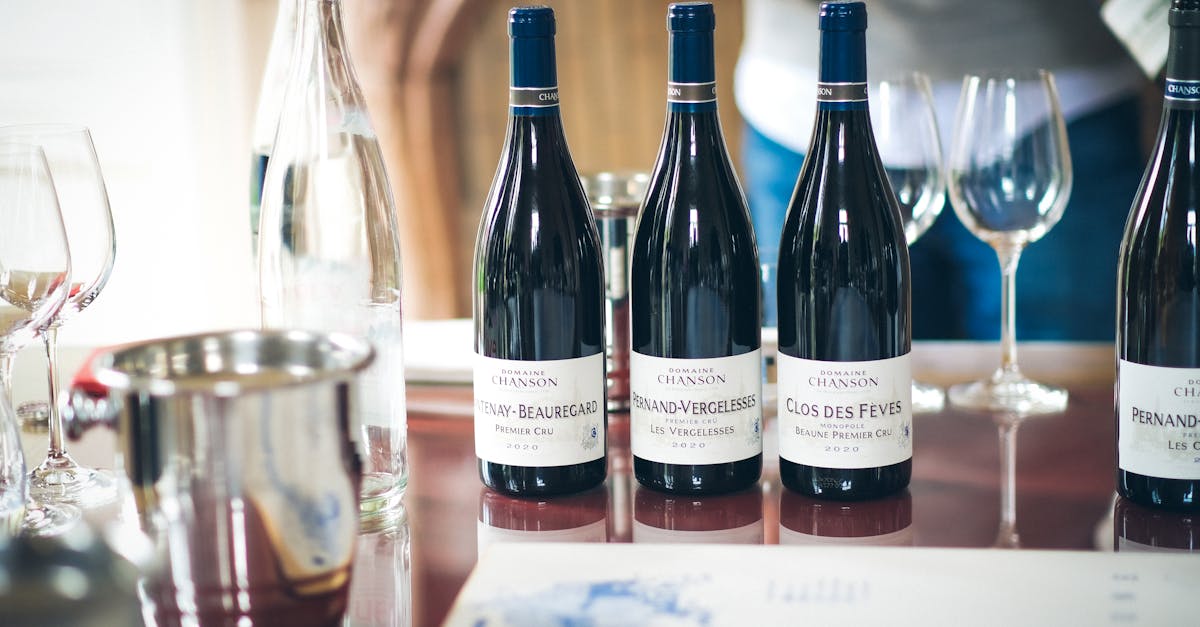
To truly appreciate French viticulture, one must first understand the profound influence of terroir, which manifests differently in Bordeaux and Burgundy. In Bordeaux, located on the left bank of the Garonne River, the focus is predominantly on blends, where Cabernet Sauvignon and Merlot dominate depending on the specific soil composition of gravel or clay. The region's maritime climate allows for a diverse range of grape varieties to thrive, resulting in wines that are often structured, bold, and designed for long-term aging. Conversely, Burgundy (Bourgogne) offers a more intimate connection between the vineyard and the bottle, with an obsession for single-varietal Pinot Noir and Chardonnay. Here, the concept of climat is paramount; tiny, distinct plots of land with unique microclimates and limestone-rich soils produce wines of incredible nuance, where subtle differences in elevation and aspect can drastically alter the flavor profile from earthy and mineral to fruity and floral.
For the tourist planning a wine tour, these fundamental differences dictate not only what you drink but how you experience the landscape. A journey through Bordeaux feels like exploring grand châteaux and vast estates, where the emphasis is on history, architecture, and the art of blending multiple grapes to achieve balance. The tasting experience here is often formal, set against the backdrop of majestic stone castles overlooking sprawling vineyards. In contrast, a trip to Burgundy is an exploration of small, family-owned domaines nestled in rolling hills dotted with villages like Gevrey-Chambertin or Meursault. The atmosphere is more rustic and personal, often centered around the winemaker's table rather than a grand hall. While Bordeaux invites you to marvel at the scale of production, Burgundy rewards you with a deep dive into the soul of the land, encouraging visitors to taste the very essence of their specific village's identity.
 This photo was taken by Marcelo Verfe on Pexels.
Navigating the Vineyards: A Practical Tasting Itinerary
To truly master the art of wine tasting in France, start your journey by mapping a route that balances the grand estates of Bordeaux with the intimate terroirs of Burgundy. In Bordeaux, consider dedicating three days to the Médoc region, where you can book appointments at historic châteaux like Château Margaux or Château Latour to explore their legendary Cabernet Sauvignon blends; remember to book these tastings weeks in advance as they are highly sought after. Conversely, if you choose the rolling hills of Burgundy, focus on the Côte de Nuits for Pinot Noir enthusiasts or the Côte de Beaune for world-class Chardonnay, ensuring you visit smaller, family-run domaines in villages like Gevrey-Chambertin or Puligny-Montrachet to experience the nuanced flavors that define this prestigious appellation.
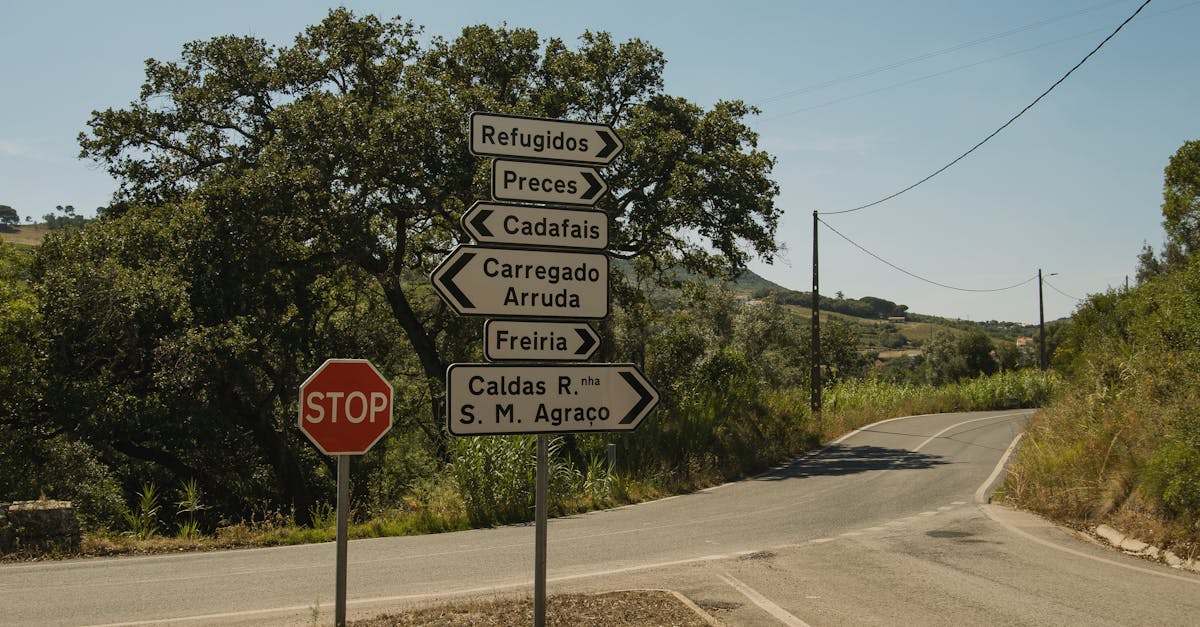
Practicality is key when navigating these vineyards, so always plan to drive yourself only if you have a designated driver, or better yet, hire a local chauffeur who knows the winding roads and hidden gems off the beaten path. Most wineries operate on strict appointment-only schedules, so carrying a printed itinerary with confirmed times and contact numbers is essential to avoid disappointment. While sampling, take time to engage with the sommeliers about soil composition and vintage variations, but also be mindful of the pace; savor each pour slowly, perhaps pairing it with local cheeses or charcuterie offered at the estate, to fully appreciate how the landscape shapes the glass before you move on to your next destination.
 This photo was taken by joao Guerreiro on Pexels.
Etiquette and Pairing: Maximizing Your Wine Experience
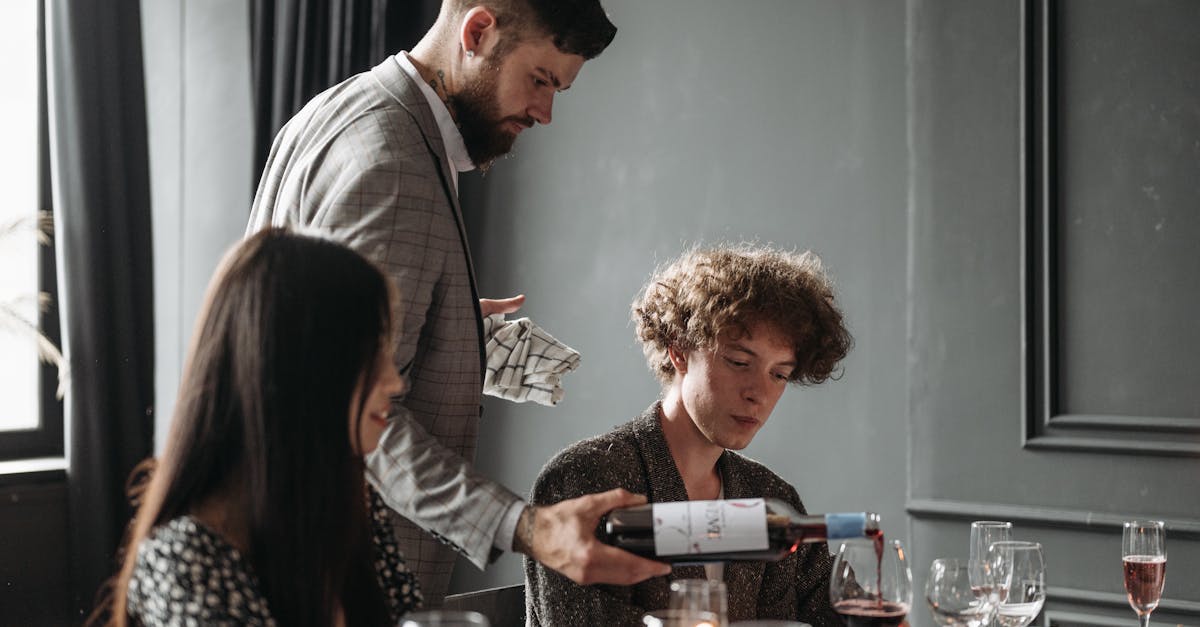
Navigating the wine culture of France requires a touch of local savoir-faire, particularly when you are immersed in the historic cellars of Bordeaux and Burgundy. In these regions, etiquette is not merely about rules but about showing respect for the craft; always hold your glass by the stem to avoid warming the wine with your hand, and never rush the tasting process as locals believe in letting the aromas breathe before taking that first delicate sip. While it is customary to pour your own wine once the host has poured the initial round, remember that in more formal settings or small family-owned domaines, the sommelier may handle all service. Furthermore, refrain from making loud clinking noises with your glass or speaking with your mouth full, as the focus should remain on the sensory journey and the conversation with your guide or winemaker.
Pairing your wines with regional delicacies transforms a simple tasting into an unforgettable culinary adventure, especially when adhering to the age-old traditions of the terroir. In Bordeaux, let your rich Cabernet Sauvignon-based reds accompany hearty dishes like duck confit or lamb with black truffle sauce, while lighter Pinot Noirs from Burgundy find their perfect match with coq au vin or a creamy cheese fondue. Do not hesitate to ask your guide for specific recommendations based on the vintage you are sampling, as the subtle nuances of a Grand Cru Chablis can be elevated by a simple plate of oysters or fresh goat cheese. Embracing these pairings allows you to fully appreciate how the soil and climate of each vineyard influence both the wine and the food, creating a harmonious balance that defines the French gastronomic experience.
 This photo was taken by Pavel Danilyuk on Pexels.