Wine Tasting 101: Exploring Bordeaux, Burgundy, and Champagne
 This photo was taken by Ian Ramírez on Pexels.
Bienvenue in the heart of French viticulture, where every glass tells a story centuries in the making. As we embark on this liquid journey across our beloved regions, prepare to uncover the distinct personalities that define France's most celebrated wines. From the structured grandeur of Bordeaux's Left and Right Bank estates to the delicate, soil-driven nuances of Burgundy's Pinot Noir and Chardonnay, and finally to the effervescent joy of Champagne's historic caves, this guide is your passport to understanding the art of tasting. Whether you are a seasoned oenophile or a curious traveler, get ready to raise your glass and explore the bold elegance, hidden secrets, and celebratory spirit that make French wine truly unforgettable.
The Bold Elegance of Bordeaux: A Guide to Left and Right Bank Reds
Stepping into the world of Bordeaux is akin to walking through a living tapestry of history and terroir, where the Gironde Estuary acts as the great divider between two distinct wine-making philosophies. On the Left Bank, south of the Garonne River, the soil is dominated by gravel which drains heat during the day and radiates it at night, creating the perfect conditions for Cabernet Sauvignon to reign supreme. Here, you will find wines like those from Pauillac and Margaux that are structured, tannic, and built for long aging, offering complex notes of blackcurrant, cedar, and graphite that evolve gracefully over decades. These bold reds demand patience, mirroring the grand châteaux that stand guard over their vineyards, inviting you to savor a glass that tastes of both power and profound elegance.
Crossing the river to the Right Bank, the landscape shifts dramatically with clay and limestone soils that favor Merlot, resulting in wines that are often more approachable in their youth yet equally captivating. Regions like Saint-Émilion and Pomerol produce reds with a velvety texture, showcasing lush flavors of plum, raspberry, and truffle, often softened by the addition of Cabernet Franc for added aromatic complexity. While the Left Bank offers a fortress-like intensity, the Right Bank provides a softer, more generous embrace, perfect for those who appreciate roundness and immediate charm without sacrificing depth. Whether you are exploring the historic streets of Libourne or touring the prestigious estates of Pomerol, the diversity of these right-bank treasures ensures that every sip tells a unique story of the French countryside's rich viticultural heritage.
 This photo was taken by Matej on Pexels.
Burgundy's Terroir: Unraveling the Secrets of Pinot Noir and Chardonnay
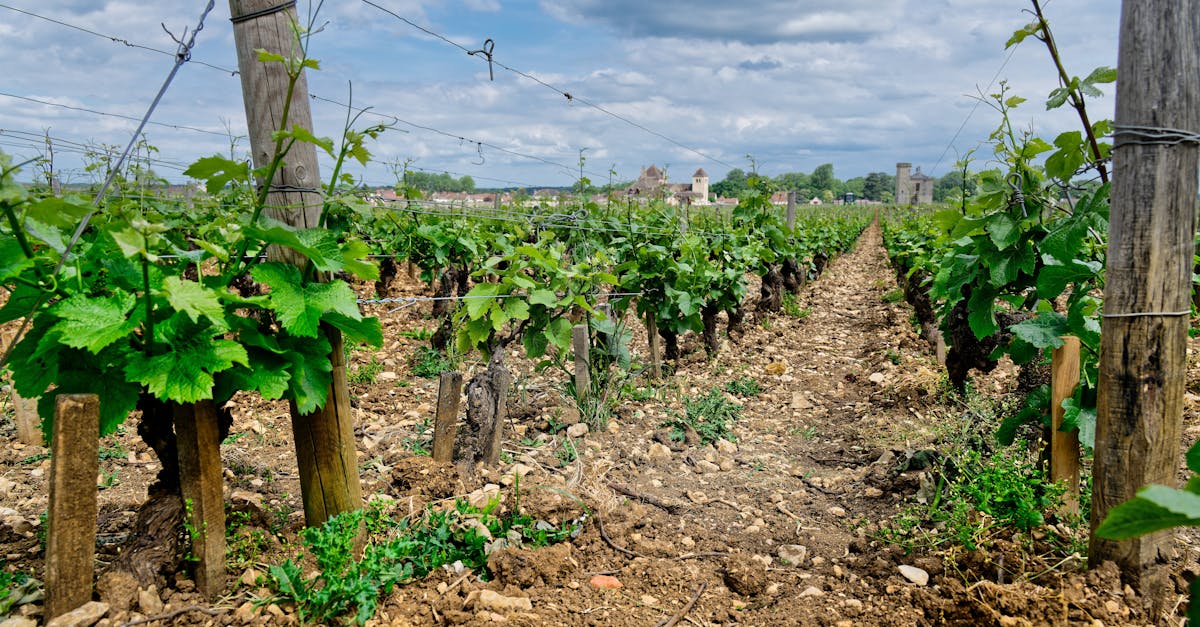
Beyond the grand châteaux of Bordeaux, the rolling vineyards of Burgundy offer a more intimate and profound connection to the land, where the concept of terroir is revered as the very soul of winemaking. Here, Pinot Noir and Chardonnay are not merely grapes but delicate expressions of specific plots of earth, each telling a unique story through subtle variations in soil composition, microclimate, and slope orientation. A glass of red from the Côte de Nuits reveals the ethereal elegance of Pinot Noir, with its complex aromas of wild cherry, forest floor, and spice that dance on the palate, while the white wines from the Côte de Beaune showcase Chardonnay's versatility, ranging from crisp, mineral-driven profiles to rich, buttery textures aged in oak.
Unraveling the secrets of these varietals requires a journey into the heart of the region's philosophy, where winemakers act more as interpreters than creators, striving to let the vineyard speak without interference. This dedication to purity means that every sip offers a direct line to the French countryside, inviting you to taste the limestone soils of Chablis or the iron-rich clay of Gevrey-Chambertin. As you explore this historic wine route, you will discover that Burgundy's true magic lies in its ability to capture the essence of a place in a bottle, making it an essential pilgrimage for any wine lover seeking to understand the intricate relationship between nature and craft.
 This photo was taken by Gu Bra on Pexels.
Celebrating Life in Champagne: From Caves to Crisp Bubbles
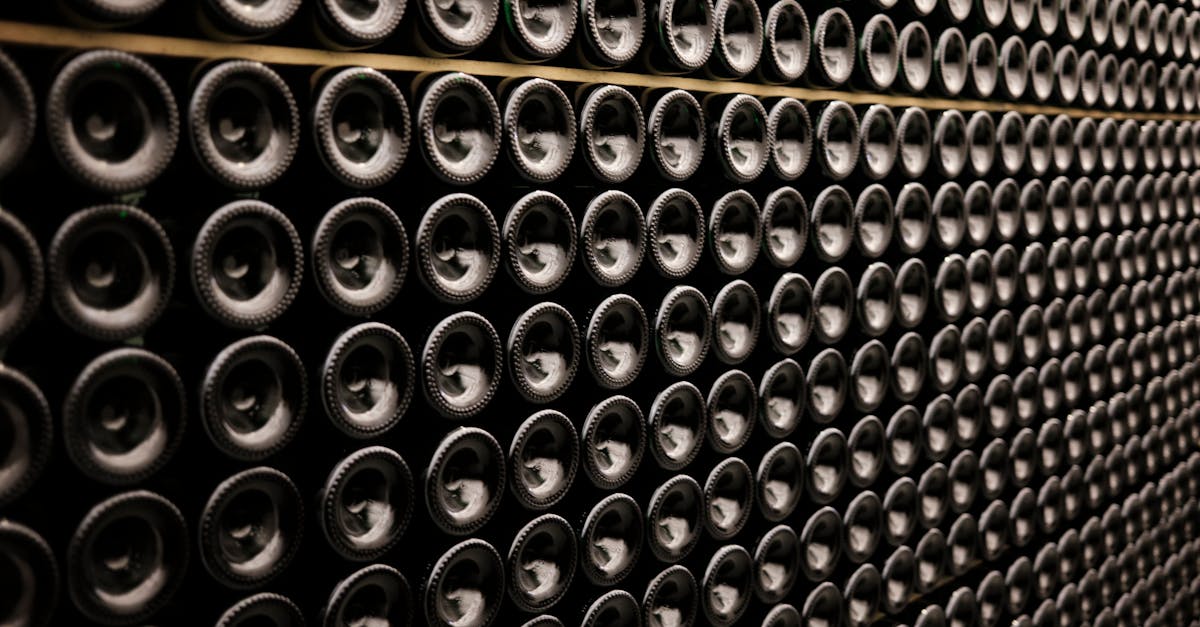
Step beneath the cobblestones of Reims and Épernay to discover the ancient chalk caves, or "crayères," where time seems to stand still in a cool, humid embrace. Here, the art of Champagne making is a centuries-old tradition passed down through generations, transforming humble grapes into liquid gold under strict appellation rules. As you wander through these subterranean labyrinths lined with thousands of bottles aging in darkness, your guide will share stories of the region's resilience and the meticulous process of riddling and disgorgement that creates those signature effervescent notes. The air itself feels crisp and alive, carrying the faint scent of yeast and earth, setting the stage for an unforgettable sensory journey into the heart of French viticulture.
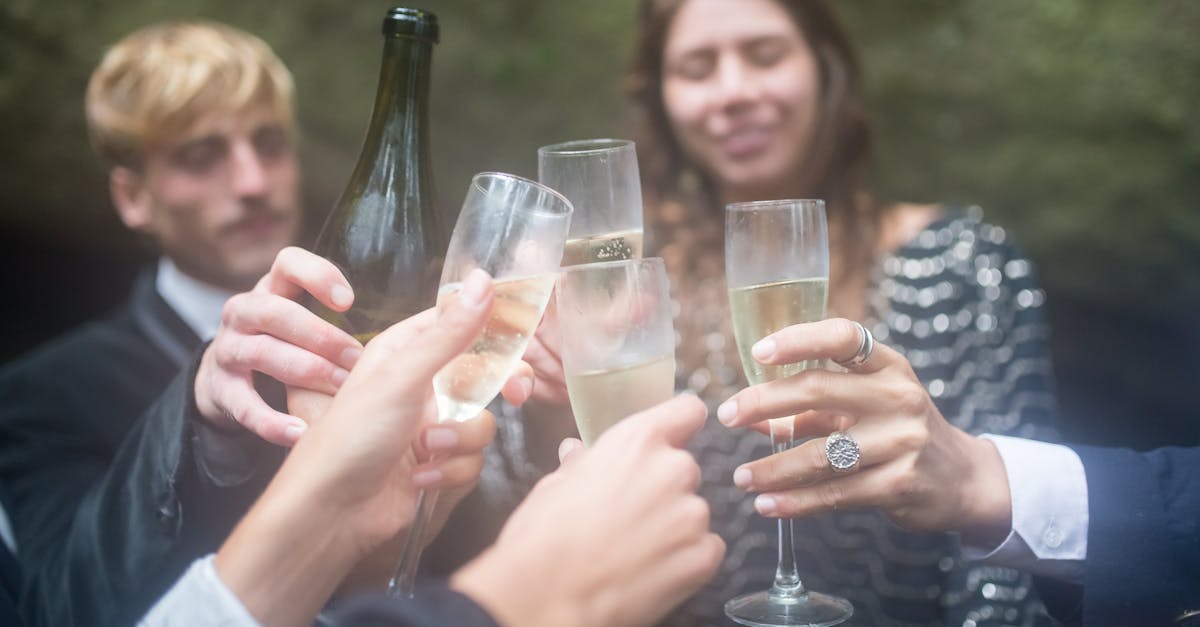
The climax of this underground adventure awaits as you emerge into the light for a tasting experience that truly celebrates life. With a flute of perfectly chilled Champagne in hand, the first sip reveals a symphony of flavors ranging from zesty green apple and citrus to delicate brioche and toasted almonds, all dancing on the palate with vibrant bubbles. Whether you are sipping a vintage cuvée that captures a specific year's character or enjoying a non-vintage blend crafted for consistency, each glass tells a story of terroir and craftsmanship. Raising your glass against the backdrop of rolling vineyards bathed in golden sunlight, you join locals and travelers alike in a timeless toast to joy, marking every moment with the sparkle that makes Champagne so uniquely special.
 This photo was taken by Kampus Production on Pexels.