Wine Tasting 101: Top Vineyards to Visit in Bordeaux and Burgundy
 This photo was taken by Samir Smier on Pexels.
Bienvenue to the heart of French viticulture, where centuries-old traditions meet unparalleled terroir. Whether you are a seasoned oenophile or simply curious about the glass of red in your hand, our journey through Bordeaux and Burgundy promises an unforgettable immersion into the world's most celebrated wine regions. From the elegant gravel soils of the Left Bank to the limestone slopes of Côte d'Or, we will decode the unique characteristics that define these legendary landscapes. Join us as we navigate prestigious appellations, explore hidden gems, and curate the perfect sommelier-led itinerary for tasting experiences that will linger on your palate long after you return home.
Decoding the Terroir: A Guide to Bordeaux's Left and Right Banks
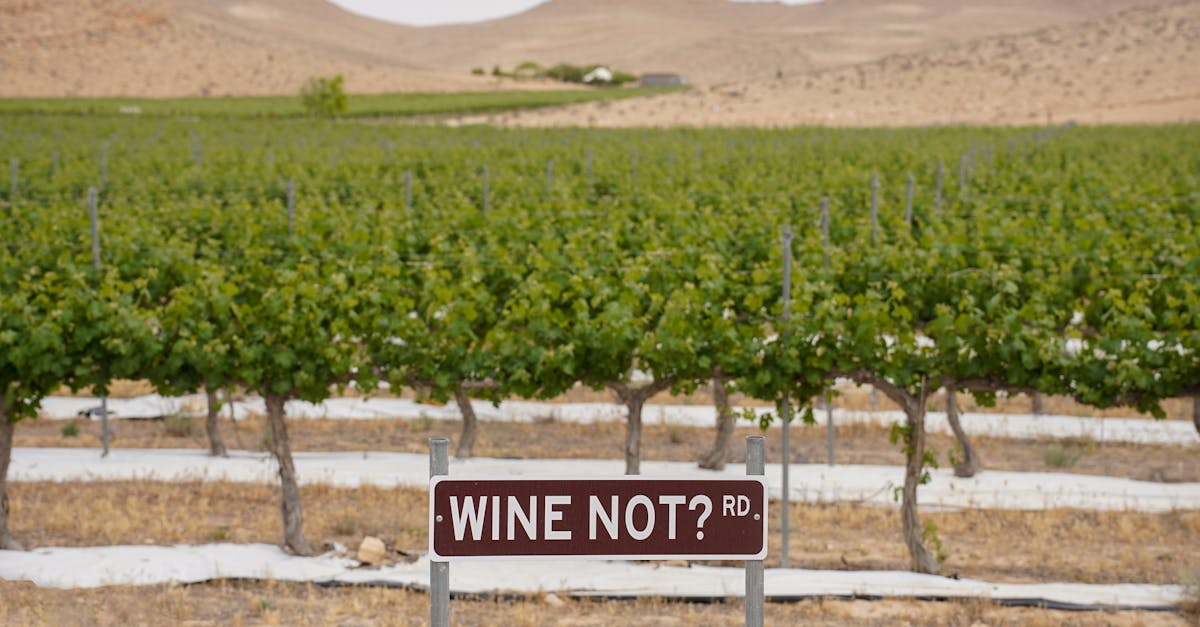
To truly understand the soul of Bordeaux, one must first navigate the dividing line of the Gironde Estuary and Dordogne River, which separates the region into two distinct worlds. On the Left Bank, the gravel-rich soils create a perfect environment for Cabernet Sauvignon, resulting in powerful, structured wines that demand patience; here, you will visit legendary estates like Château Margaux and Latour, where grand crus offer complex notes of blackcurrant, cedar, and tobacco. In contrast, the Right Bank boasts clay and limestone soils that favor Merlot and Cabernet Franc, producing wines with softer tannins, plush textures, and aromatic profiles dominated by plum, truffle, and floral hints. This geological divide is not merely academic but defines the very character of the glass, inviting visitors to explore the opulent châteaux of Saint-Émilion and Pomerol against the stately elegance of the Médoc.
Decoding this terroir transforms a simple tasting into an educational journey through history and geology, as each slope tells a story of centuries-old winemaking traditions adapted to specific microclimates. When exploring the Left Bank, prepare for a more formal atmosphere often found in the historic communes of Pauillac and Saint-Julien, where the focus remains on longevity and age-worthiness. Conversely, a tour of the Right Bank offers a slightly warmer, more rustic charm, particularly in villages like Lalande-de-Pomerol, where the vineyards seem to embrace the rolling hills with a gentler touch. By comparing a bold, tannic vintage from the Médoc side-by-side with a velvety, fruit-forward selection from Saint-Émilion, travelers gain a profound appreciation for how the French concept of terroir translates soil composition directly into the flavor profile, making every sip a unique expression of its birthplace.
 This photo was taken by wal_ 172619 on Pexels.
From Grand Crus to Village Wines: Navigating Burgundy's Prestigious Appellations
Navigating the intricate world of Burgundy's appellations is akin to reading a map drawn by nature itself, where a mere few meters can shift a vineyard from a humble village wine to a legendary Grand Cru. In this region, terroir reigns supreme, dictating that the soil composition and microclimate of a specific plot define the character of the Pinot Noir or Chardonnay more than the winemaker ever could. As you explore the Côte d'Or, you will encounter the majestic climats of Gevrey-Chambertin or Puligny-Montrachet, estates that produce wines with an intensity and complexity reserved for the elite, often commanding prices that reflect their decades-long aging potential.
Yet, the true magic of Burgundy lies not only in its prestigious peaks but also in its charming valleys, where village-level appellations offer exceptional quality at a more accessible price point. These smaller villages, such as Pommard or Meursault, provide a delightful introduction to the region's distinct profiles without the intimidating exclusivity of the top-tier grand crus. Whether you are sipping a robust, earthy red from a family-owned domaine in Nuits-Saint-Georges or enjoying a crisp, mineral-driven white from Chablis, each glass tells a story of generations of viticultural dedication, making every visit to these historic vineyards a profound lesson in the art of French winemaking.
 This photo was taken by Philippe WEICKMANN on Pexels.
A Sommelier's Itinerary: Best Wineries for Tastings in Both Regions
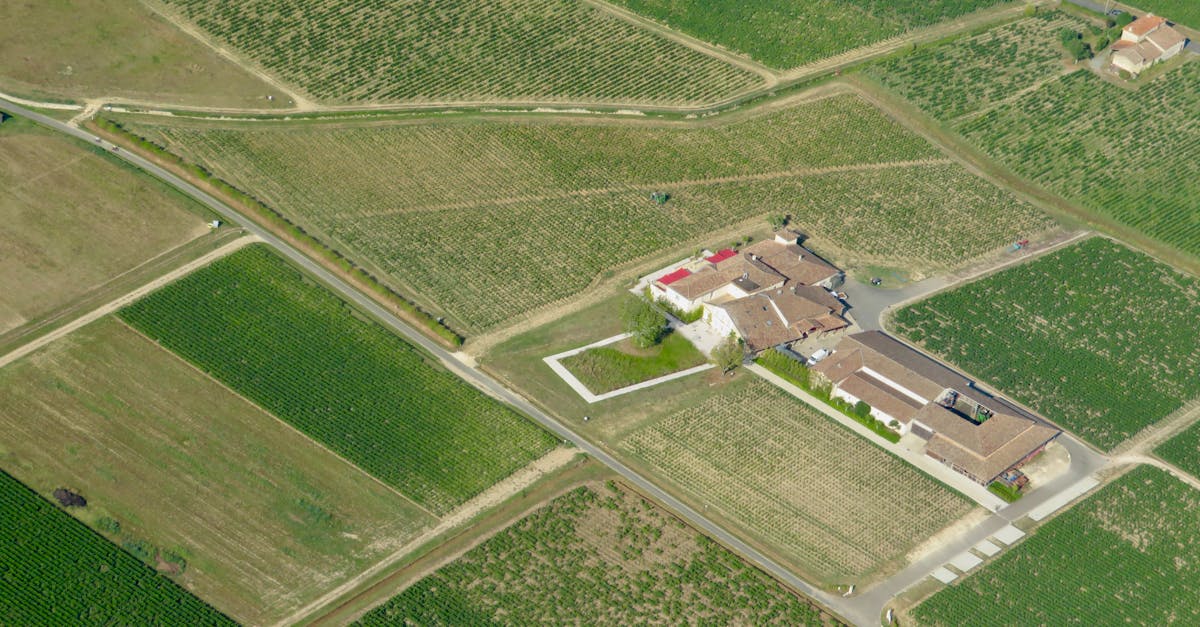
Begin your oenophile's journey in Bordeaux, where the landscape is defined by grand châteaux and a rich history of winemaking that dates back centuries. A perfect itinerary here should include a visit to the prestigious Saint-Émilion estate for its medieval charm and exceptional Merlot blends, followed by an afternoon at Margaux to explore the elegance of Cabernet Sauvignon. Afterward, head to Pessac-Léognan to witness the sophisticated reds produced from ancient gravel soils, ensuring you book a private tasting with a local sommelier who can guide you through the nuances of each vintage.
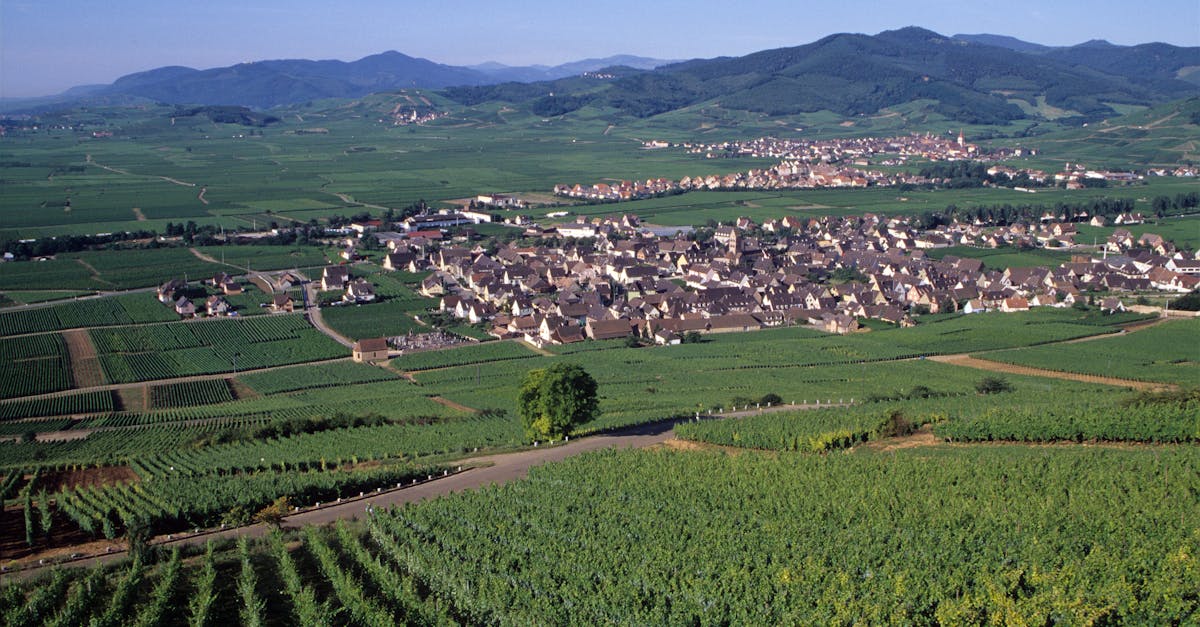
Transitioning north to Burgundy, the experience shifts from vast estates to intimate, family-run domaines nestled in the rolling hills of Côte d'Or. Here, your focus turns to the delicate art of Pinot Noir and Chardonnay, best experienced in villages like Gevrey-Chambertin and Puligny-Montrachet. Spend your days walking the vineyards of Grand Cru sites, savoring wines that express the unique terroir of their specific plots, and conclude your trip with a cozy dinner paired with a bottle of Volnay or Meursault, celebrating the region's profound connection between soil, climate, and the glass.
 This photo was taken by PHILIPPE SERRAND on Pexels.